VVVF traction inverters for DC rolling stock, 600–3000 V
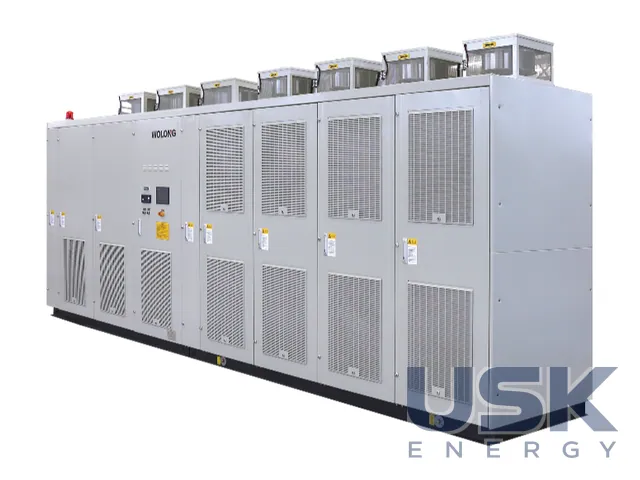
VVVF traction inverters supply induction and synchronous traction motors of electric trains, metro cars and trams from a DC overhead line of 600, 750, 1,500 and 3,000 V. Output is 120–210 kW for each of four motors. SiC versions are available.
- Overhead line voltage
- 600, 750, 1,500, 3,000 V DC
- Power
- 120–210 kW × 4 motors
- Circuit
- 2-level, 3-phase voltage inverter; SiC version
- Control schemes
- 1C1M, 1C2M, 1C4M; 4-in-1 units for PMSM
Price, availability and lead time on request. We help with analogue selection, customs clearance and delivery.
Description
A VVVF (Variable Voltage Variable Frequency) traction inverter converts the DC voltage of the overhead line into three-phase voltage of variable magnitude and frequency for induction or synchronous traction motors. It starts the motors, regulates speed and returns energy to the line during regenerative braking. Inverters are fitted to electric trains, metro cars and trams.
Vector control regulates torque accurately and quickly. Electric braking works down to 0 km/h, and sensorless control eliminates the speed sensor on the motor. Low-loss power devices, including SiC (silicon carbide), reduce mass and dimensions. For permanent magnet motors (PMSM) there is a compact 4-in-1 unit of the same size as the inverter of an induction drive, so modernisation is simpler. Combined units of a traction inverter plus an auxiliary converter with three-mode operation (1C2M, 1C4M or CVCF) are also produced, which back each other up in case of failure.
According to the manufacturer's brochure, the line is divided by network voltage. For 600 V there is a 120 kW × 4 unit of 1C1M scheme with 400 V output and natural cooling, which equips Tokyo Metro 1000 (1,620 kg). For 750 V the power is 135–175 kW × 4, 1C2M and 1C4M schemes, output 440–990 V; such inverters are fitted on the Thai Purple Line, WMATA 7000 and Singapore C151. In the 1,500 V class the power is 140–205 kW × 4, output up to 1,100 V. Tokyo Metro 16000 has 205 kW × 4 and 1,820 kg, JR East E235 received a 140 kW × 4 SiC inverter weighing 410 kg, and Hankyu 1000 a 4-in-1 unit of 190 kW × 4. For 3,000 V a 210 kW × 4 version is built, 1C4M, output 2,300 V, forced air cooling (SuperVia 3000, Brazil, 1,400 kg).
Deliveries cover the metros of Tokyo, Busan, Washington, Cairo and Bangkok, as well as suburban trains of Japan, Brazil and the USA. The same technology is applied in electric and diesel locomotives with IGBT inverters. Traction converters are made at the Fuchu complex (Tokyo), and also in India and China. A typical task is new electric trains and metro cars, as well as modernisation of rolling stock, replacing a rheostatic or GTO drive with an IGBT/SiC inverter.
Technical specifications
| Overhead line voltage | 600, 750, 1,500, 3,000 V DC |
|---|---|
| Power | 120–210 kW × 4 motors |
| Circuit | 2-level, 3-phase voltage inverter; SiC version |
| Control schemes | 1C1M, 1C2M, 1C4M; 4-in-1 units for PMSM |
| Cooling | natural or forced air |
| Example | Tokyo Metro 16000: 205 kW × 4, 1,820 kg |
Request a price and lead time
VVVF traction inverters for DC rolling stock, 600–3000 V. We reply within one business day.
Or email sales@usk.ua or call 044 339-50-20.
Questions and answers
For which overhead line voltages are these inverters made?
For 600, 750, 1,500 and 3,000 V DC. Output is 120–210 kW for each of four motors.
Is there a version for permanent magnet motors?
Yes, the 4-in-1 unit for PMSM has the same size as the inverter of an induction drive, so replacement is simple. Such a 190 kW × 4 unit is fitted on Hankyu 1000.
What cooling is used and what is the mass of the units?
Cooling is natural or forced air. For 1,500 V Tokyo Metro 16000 has a 205 kW × 4 unit weighing 1,820 kg, and SuperVia 3000 at 3,000 V has 1,400 kg.
Similar equipment from other manufacturers