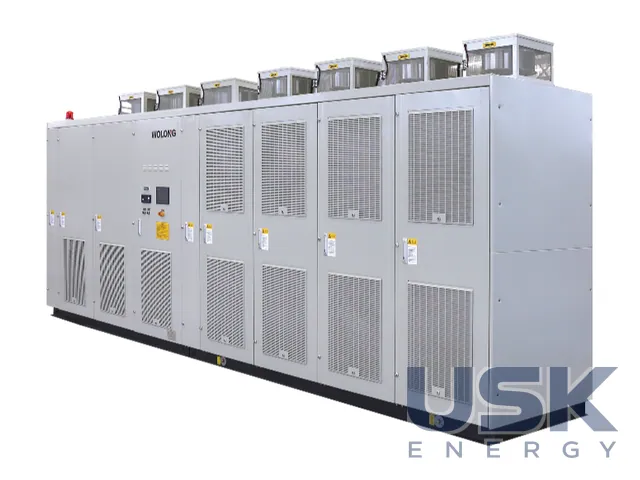
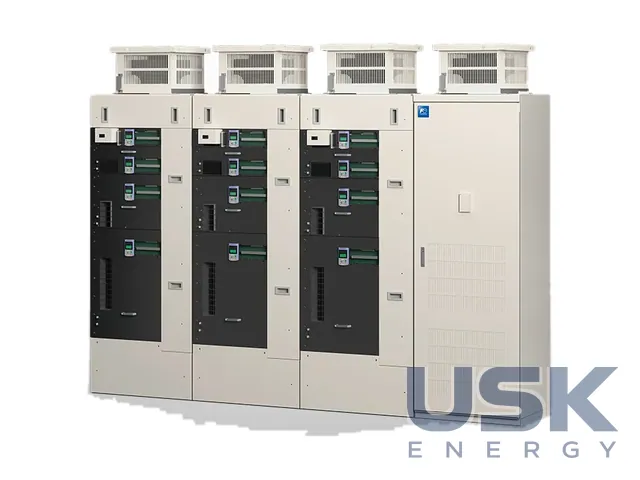
DS-DEX – digital static excitation system for turbogenerators
A static digital excitation system for turbogenerators, with the thyristor rectifier supplied from the generator terminals through an excitation transformer. Open architecture on standardised modules, one platform for steam, gas and hydraulic turbines. Included in the package of DGen-A, DGen-H, DGen-W and DGen-N generators rated 100–1500 MW.
- Type
- static thyristor, supplied from the generator terminals (potential source)
- Regulator
- digital
- Architecture
- open, on standardised modules
- Application
- generators driven by steam, gas and hydraulic turbines
Price, availability and lead time on request. We help with analogue selection, customs clearance and delivery.
Description
DS-DEX is a static digital excitation system for synchronous generators, developed in house by the manufacturer. It belongs to the potential source type, meaning that the power thyristor rectifier is supplied from the terminals of the generator itself through an excitation transformer. Excitation current is fed to the rotor winding through slip rings. This scheme does without a rotating exciter, so the design has no separate rotating excitation machine with bearings and windings that need maintenance.
The system has fast voltage regulation and can apply field forcing during short circuits in the network. Forcing helps keep the generator in synchronism until the fault is cleared. According to the manufacturer's catalogue, DS-DEX is built on hardware and software with open architecture made of standardised modular components. For this reason one platform is used for different generator ratings and for generators driven by turbines of any type, steam, gas and hydraulic.
The system is part of the standard equipment of turbogenerators of the DGen-A, DGen-H, DGen-W and DGen-N series rated 100–1500 MW. It can also be supplied for excitation upgrades of existing generators, where the current exciter is replaced with a digital system.
The thyristor rectifier converts the AC voltage from the excitation transformer into the DC current of the rotor winding, and the firing angle of the thyristors sets the excitation level. Supply from the terminals means that a voltage dip in the network affects the excitation power, so forcing is calculated for the specific generator and network conditions. The excitation transformer, rectifier and regulator are selected according to the rated data of the generator.
The main function is automatic regulation of generator voltage and reactive power in normal and transient conditions. The digital regulator maintains terminal voltage and controls reactive power both in steady state and in network transients. Detailed characteristics, such as excitation currents and voltages and the number of thyristor bridges, depend on the particular generator and are defined by the project. Such data are not available in the materials at hand, so they are agreed for each unit separately, based on the generator rating and network requirements.
Technical specifications
| Type | static thyristor, supplied from the generator terminals (potential source) |
|---|---|
| Regulator | digital |
| Architecture | open, on standardised modules |
| Application | generators driven by steam, gas and hydraulic turbines |
| Range | the manufacturer's whole generator line of 100–1500 MW |
Request a price and lead time
DS-DEX – digital static excitation system for turbogenerators. We reply within one business day.
Or email sales@usk.ua or call 044 339-50-20.
Questions and answers
What type of excitation system is DS-DEX?
A static thyristor system of the potential source type. The rectifier is supplied from the generator terminals through an excitation transformer, and current is fed to the rotor winding through slip rings.
For which generator ratings and drives is DS-DEX used?
The system is part of the package of turbogenerators of the DGen-A, DGen-H, DGen-W and DGen-N series rated 100–1500 MW. The drive can be a steam, gas or hydraulic turbine.
Can DS-DEX be supplied to upgrade an existing generator?
Yes, the system can be supplied for excitation upgrades of existing generators. Excitation currents, voltages and the number of bridges are defined by the project for the specific generator.
Similar equipment from other manufacturers