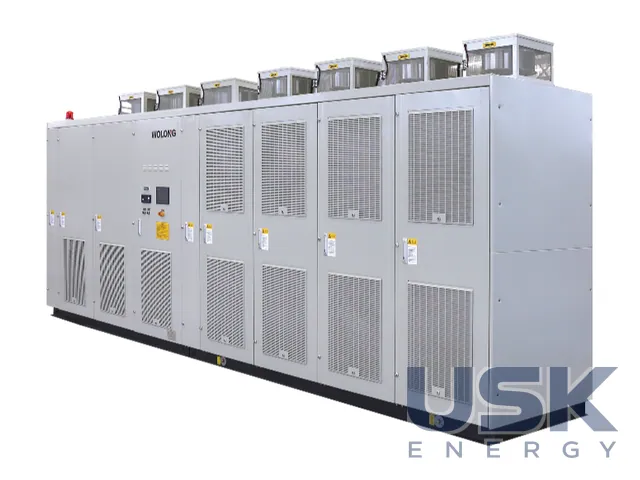
TESS stationary storage for DC traction substations, on SCiB batteries
TESS is a stationary energy storage system on SCiB lithium-ion batteries, 146–777 kW, for DC traction networks. It accepts regenerative braking energy and returns it to the network during acceleration, and in emergency mode it supplies trains.
- Power
- 146–777 kW
- Battery voltage
- 600 V DC (530–713 V)
- Load classes
- I–IX per IEC 62924
- V-SOC mode
- charge-discharge by network voltage and state of charge, stabilization of transient fluctuations
Price, availability and lead time on request. We help with analogue selection, customs clearance and delivery.
Description
The Traction Energy Storage System (TESS) is a stationary energy storage system on SCiB lithium-ion batteries for DC traction networks. It is installed at a traction substation or sectioning post and connected directly to the DC busbars.
TESS accepts the surplus regenerative braking energy of trains, which would otherwise have to be dissipated in braking resistors, and returns it to the traction network during acceleration. This lowers electricity consumption, stabilizes the voltage in the overhead contact line and relieves substations at peak hours. If the supply is lost, the storage gives trains energy so that they reach the nearest station.
The characteristics according to the Railway Power Supply Systems brochure are as follows. Rated power is 146–777 kW, and the rated battery voltage is 600 V DC (operating range 530–713 V). The storage complies with load classes I–IX under IEC 62924. The V-SOC mode provides charging and discharging depending on the traction network voltage and the state of charge, with a function for stabilizing transient voltage fluctuations. The second mode is emergency power supply.
SCiB batteries with a lithium titanate anode are distinguished by safety, a large number of charge-discharge cycles and the ability to work at low temperatures. Applications are metros, tramways and railways of 600–1,500 V DC, lines with a large number of regenerating rolling stock, and weak sections of the traction network. The power is selected according to the traffic profile, including the headway between trains, the train mass and the number of braking events on the section.
Technical specifications
| Power | 146–777 kW |
|---|---|
| Battery voltage | 600 V DC (530–713 V) |
| Load classes | I–IX per IEC 62924 |
| V-SOC mode | charge-discharge by network voltage and state of charge, stabilization of transient fluctuations |
| Emergency mode | supply of trains when the voltage is lost |
| Battery | SCiB (LTO) |
Request a price and lead time
TESS stationary storage for DC traction substations, on SCiB batteries. We reply within one business day.
Or email sales@usk.ua or call 044 339-50-20.
Questions and answers
What power and voltage does the storage have?
Power is 146–777 kW, and the rated battery voltage is 600 V DC with an operating range of 530–713 V.
Which standard defines the load classes?
IEC 62924. The storage is applicable to load classes I–IX.
What happens when the supply in the traction network is lost?
The storage works in emergency mode and supplies trains so that they reach the nearest station.
Similar equipment from other manufacturers