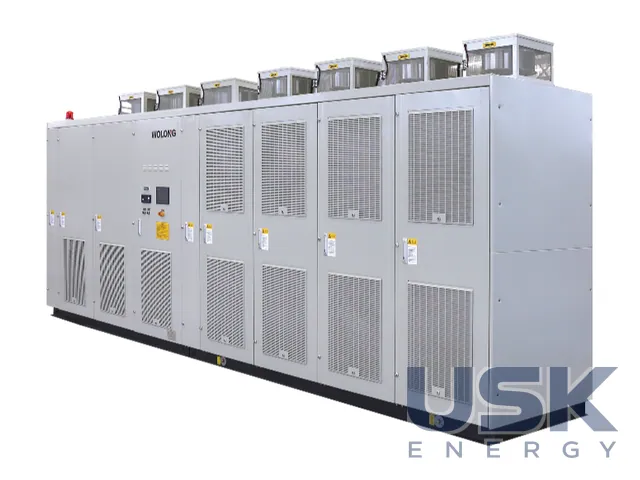
SIV static auxiliary power converters 30–500 kVA
SIV and APU static converters supply auxiliary systems of rolling stock rated 30–260 kVA for cars and up to 500 kVA for locomotives. Input is 750, 1,500 or 3,000 V DC. 2- and 3-level, redundant and dual-mode versions are available.
- Power
- 30–260 kVA (car), up to 500 kVA for locomotives
- Input
- 750, 1,500, 3,000 V DC or 300–1,389 V AC from the traction transformer
- Output
- 3 phases 208–440 V, 50/60 Hz; 1 phase 110–120 V; 100 V DC
- Efficiency
- up to 96 % (3-level SIV, JIS E5008)
Price, availability and lead time on request. We help with analogue selection, customs clearance and delivery.
Description
Static auxiliary power converters (SIV, Static Inverter; APU, Auxiliary Power Unit) supply the auxiliary systems of rolling stock: air conditioning, lighting, compressors, control circuits and battery charging. They replace auxiliary machines with static electronics. Such converters are expected to respond quickly to transients, regulate stably, and be compact, light and quiet.
The line includes 2-level SIVs rated 70–260 kVA and a 3-level SIV with 96 % efficiency (measured in 2010 per JIS E5008) with modular layout for quick replacement of units. A redundant dual SIV works as follows: one of the two converters is in operation, and if it fails the second switches on automatically, while the 2-in-1 unit reduces mass and dimensions. In the dual-mode SIV the traction inverter takes over the auxiliary power functions in case of failure.
Per the manufacturer's brochure, for 1,500 V DC a 3-level circuit is used with 3-phase 440 V 60 Hz output, natural cooling and 150 % overload for 10 s. For 3,000 V DC a 2-level circuit is applied, output 380 V 50 Hz, forced cooling, 160 % for 10 s. For 750 V DC the output is 208/120 V 60 Hz. High-speed trains and locomotives are fed from traction transformer windings of 304–1,389 V AC, 230 kVA, with water or air cooling. In locomotives a modular power unit of up to 1,400 kW can be reconfigured into an APU rated up to 500 kVA.
Deliveries include 210 kVA for JR East E501, 250 kVA for Tokyu 5000, 210 kVA for Odakyu 3000 and a 260 kVA redundant dual SIV for JR East E233 weighing 2,365 kg. The converters also work in the metros of New York and Cairo and on the Singapore LRT. They are fitted to electric trains, metro cars, high-speed trains and locomotives when obsolete motor-generators and electromachine converters need to be replaced. Auxiliary converters are made in Japan (Fuchu), India and China.
Technical specifications
| Power | 30–260 kVA (car), up to 500 kVA for locomotives |
|---|---|
| Input | 750, 1,500, 3,000 V DC or 300–1,389 V AC from the traction transformer |
| Output | 3 phases 208–440 V, 50/60 Hz; 1 phase 110–120 V; 100 V DC |
| Efficiency | up to 96 % (3-level SIV, JIS E5008) |
| Overload | 150–200 % for 10 s |
| Versions | 2-level, 3-level, redundant dual, dual-mode |
Request a price and lead time
SIV static auxiliary power converters 30–500 kVA. We reply within one business day.
Or email sales@usk.ua or call 044 339-50-20.
Questions and answers
What power do the static auxiliary power converters have?
Car versions are 30–260 kVA, for locomotives up to 500 kVA. 2-level SIVs are 70–260 kVA.
What efficiency and overload do these converters have?
The 3-level SIV has efficiency up to 96 % per JIS E5008. Overload is 150–200 % for 10 s.
How is redundancy arranged?
In a redundant dual SIV one of the two converters operates, and if it fails the second switches on automatically. In the dual-mode version the traction inverter takes over the auxiliary power functions.
Similar equipment from other manufacturers