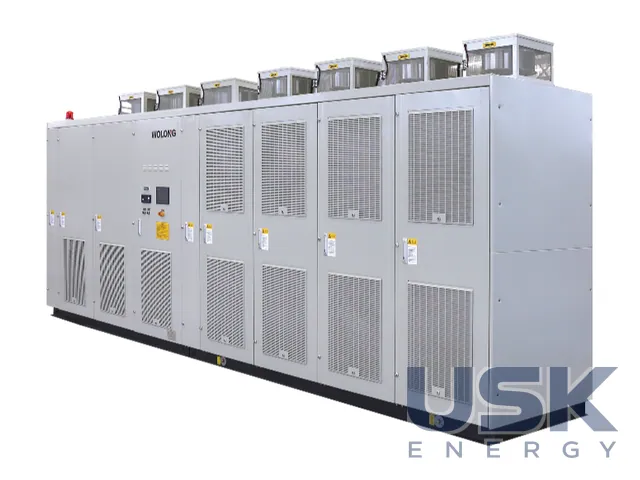
B-CHOP regenerative braking storage system for electric traction
B-CHOP stores the regenerative braking energy of electric trains in batteries and returns it to the contact network during acceleration. The system consists of a battery and a power converter. It is installed at traction substations of DC electrified railways.
- Purpose
- storing regenerative braking energy of trains and returning it during acceleration
- Composition
- battery and power converter (chopper)
- Installation
- traction substations of DC electrified railways
- Battery disposal
- by agreement with the manufacturer
Price, availability and lead time on request. We help with analogue selection, customs clearance and delivery.
Description
B-CHOP is a regenerative braking energy storage system for traction substations of electrified railways. During braking of an electric train its traction motors work in generator mode. The surplus energy that no other train on the section can accept is usually dissipated in braking resistors, that is, converted into heat.
B-CHOP accumulates this energy in batteries and returns it to the contact network when a train accelerates or runs under power. This reduces energy consumption from the external grid, cuts substation peak loads and stabilizes the contact network voltage. The greatest effect is expected on sections with frequent stops, in metros and on suburban lines, where trains brake and accelerate many times per hour.
The system consists of a battery and a power converter (chopper) that connects the battery to the DC contact network. The chopper controls the charge and discharge current, and the network voltage determines when the system stores energy and when it releases it. Installation is carried out at traction substations of DC electrified railways. For trains such a system replaces or complements braking resistors, which reduces energy losses. When a train brakes, the contact network voltage rises. If there is no other accelerating train nearby, the energy has nowhere to go and is dissipated in the resistors. The storage unit takes this current, keeping the voltage within permissible limits, and then gives it back. For a metro operator this means lower traction energy costs and less tunnel heating from braking resistors. The system operates automatically according to the contact network voltage.
The system belongs to the manufacturer's railway power supply product group together with ECH rectifiers and PWM converters, and its power part is based on the manufacturer's power electronics technology. The battery type, capacity and power are not given in the sources; they are determined by the project according to the timetable, line profile and substation parameters. These data must be provided to the manufacturer for selection. Disposal of spent batteries supplied by the manufacturer is arranged by agreement with it.
Technical specifications
| Purpose | storing regenerative braking energy of trains and returning it during acceleration |
|---|---|
| Composition | battery and power converter (chopper) |
| Installation | traction substations of DC electrified railways |
| Battery disposal | by agreement with the manufacturer |
Request a price and lead time
B-CHOP regenerative braking storage system for electric traction. We reply within one business day.
Or email sales@usk.ua or call 044 339-50-20.
Questions and answers
What does the B-CHOP system do at a traction substation?
It stores the regenerative braking energy of trains in batteries and returns it to the contact network when a train accelerates or runs under power.
What does B-CHOP consist of?
A battery and a power converter, a chopper. They are installed at traction substations of DC electrified railways.
What data are needed to select the system?
The timetable, line profile and traction substation parameters. They determine the battery type, capacity and power, and battery disposal is also agreed.
Similar equipment from other manufacturers