Overhead contact line (OLE) insulators for railways, porcelain and composite
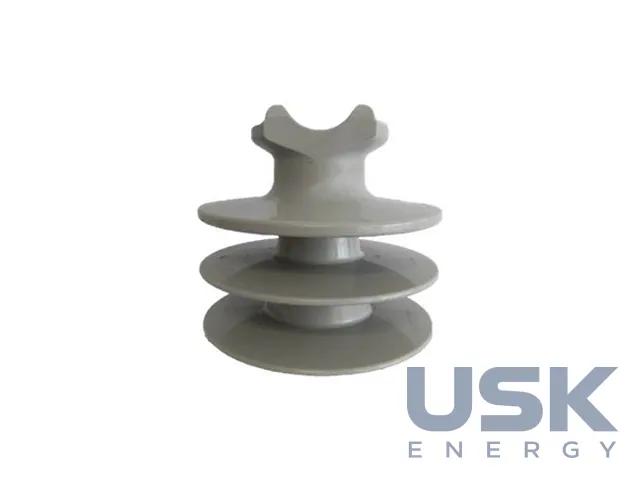
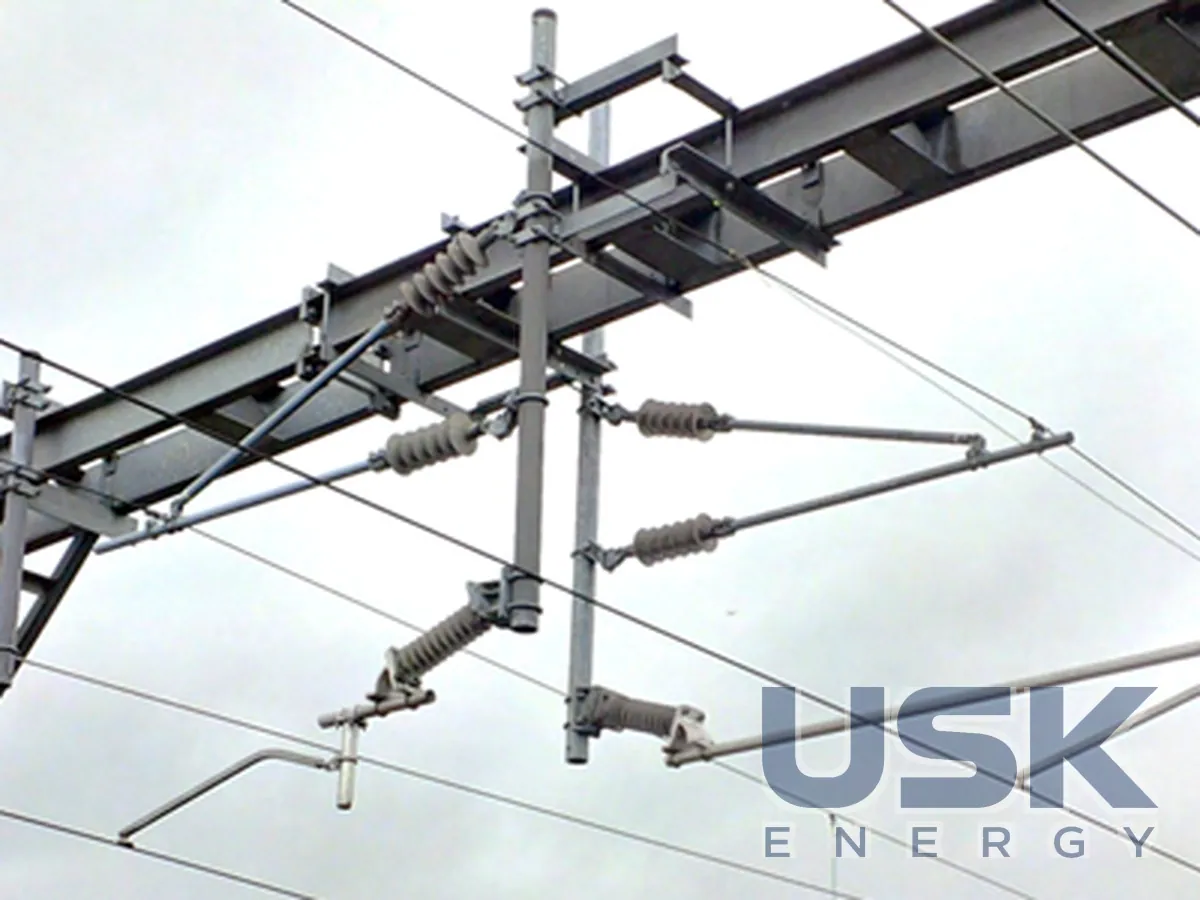
OLE insulators are made in porcelain and composite versions for all overhead contact line systems, including high-speed. The programme covers suspension, support, return conductor and rolling stock insulators.
- Versions
- porcelain and composite (silicone rubber)
- Purpose
- contact line suspension and support insulators, return conductor insulators, rolling stock insulators (circuit breakers, pantographs)
- Options
- increased creepage distance for deserts and coasts, high-strength versions, special fittings
- Experience
- Network Rail network, Eurotunnel
Price, availability and lead time on request. We help with analogue selection, customs clearance and delivery.
Description
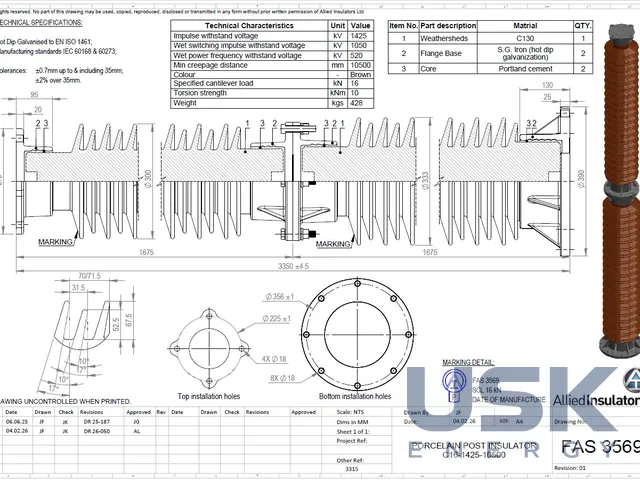
The British railway network was electrified on the company's porcelain insulators, and all Network Rail infrastructure was built on them from the start. Porcelain is still kept where strict fire safety requirements apply, that is in tunnels and at stations. According to the company, it is the only approved supplier of such insulators for the UK railway system.
The company designed and manufactured the porcelain insulators for the Channel Tunnel in the UK. Some of them have been replaced over the years in later projects, and supply for Eurotunnel continues. The porcelain range includes various suspension and support insulators for the contact line, return conductor insulators, and rolling stock insulators for main circuit breakers and pantographs. One programme covers both the contact suspension above the track and the equipment on the roof of rolling stock. Rolling stock insulators are selected for the specific type of circuit breaker and pantograph.
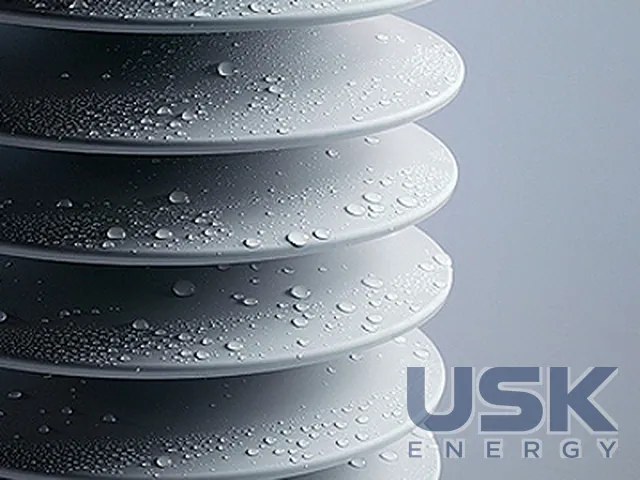
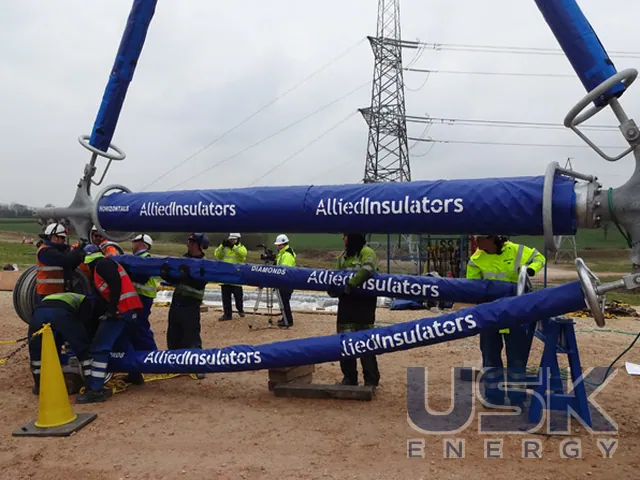
Composite OLE insulators have a silicone rubber housing. They were developed on the experience of composite insulators that the company makes for transmission and distribution networks. The company can supply a complete set of OLE insulators for any high-speed suspension system. For the competitive COBE and Krabbenhoft (Denmark) project for HS2, the company developed new composite insulators. The railway programme is complemented by conductor rail insulators, including for DC rails, which the company also makes.
Porcelain and composite cover different tasks. Porcelain is chosen for tunnels, stations and replacement of insulators on existing lines where porcelain products are already installed. Composite is lighter than porcelain and hydrophobic, and is chosen for high-speed suspensions and polluted areas.
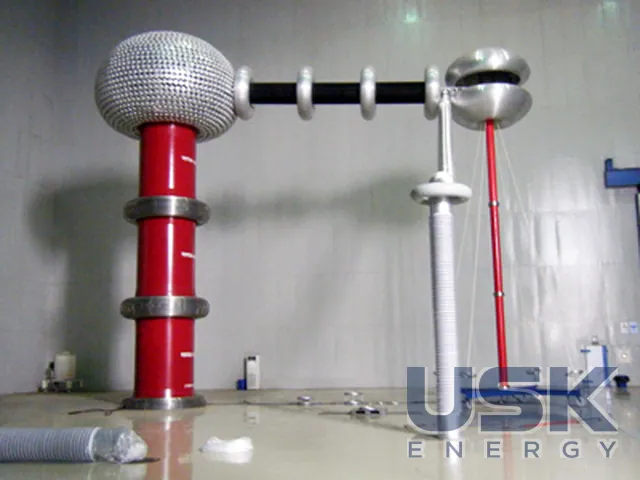
The insulator design, end fittings and mounting elements are adapted to customer requirements. For heavily polluted areas, deserts and sea coasts, the standard programme includes insulators with increased creepage distance. High-strength versions are also available. Electrical and mechanical tests are carried out in the company's own laboratory in Tunstall (Stoke-on-Trent). The designers and laboratory are the same as those working on insulators for overhead lines and substations.
Technical specifications
| Versions | porcelain and composite (silicone rubber) |
|---|---|
| Purpose | contact line suspension and support insulators, return conductor insulators, rolling stock insulators (circuit breakers, pantographs) |
| Options | increased creepage distance for deserts and coasts, high-strength versions, special fittings |
| Experience | Network Rail network, Eurotunnel |
Request a price and lead time
Overhead contact line (OLE) insulators for railways, porcelain and composite. We reply within one business day.
Or email sales@usk.ua or call 044 339-50-20.
Customs codes
| UKTZED (Ukraine) | 8546 20 91 00 |
|---|---|
| HS, 6 digits | 8546 20 |
| CN (EU) | 8546 20 91 |
| HTSUS (USA) | 8546 20 00 00 |
| China customs tariff | 8546 20 10 00 |
Codes are for reference: the final code is determined at declaration for the specific model.
Questions and answers
Are the porcelain insulators suitable for tunnels?
Yes, porcelain is used in tunnels and at stations with strict fire safety requirements. According to the company, it is the only approved supplier of such insulators for the UK railway system.
Are there composite insulators for high-speed lines?
Yes, the company supplies a complete set of composite OLE insulators for any high-speed suspension system. The housing is made of silicone rubber.
What versions are available for polluted areas?
The standard programme includes insulators with increased creepage distance for deserts and coasts, as well as high-strength versions.
Similar equipment from other manufacturers