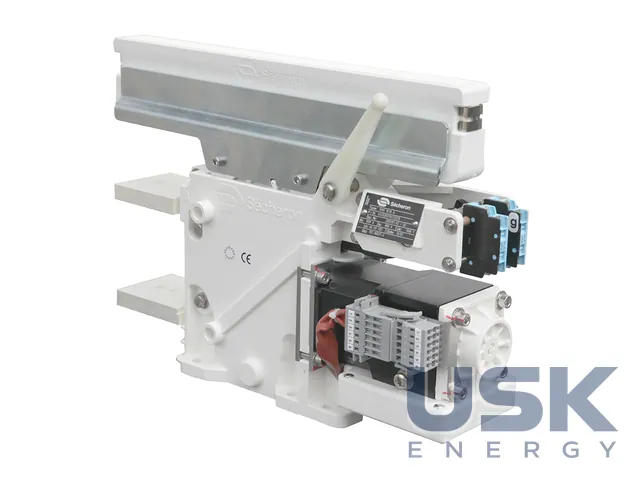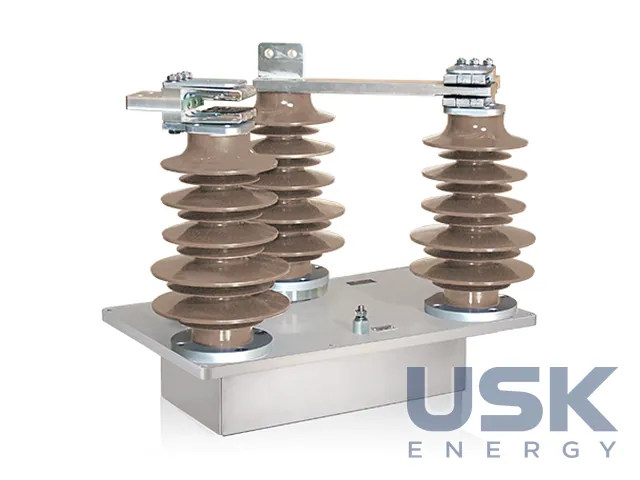
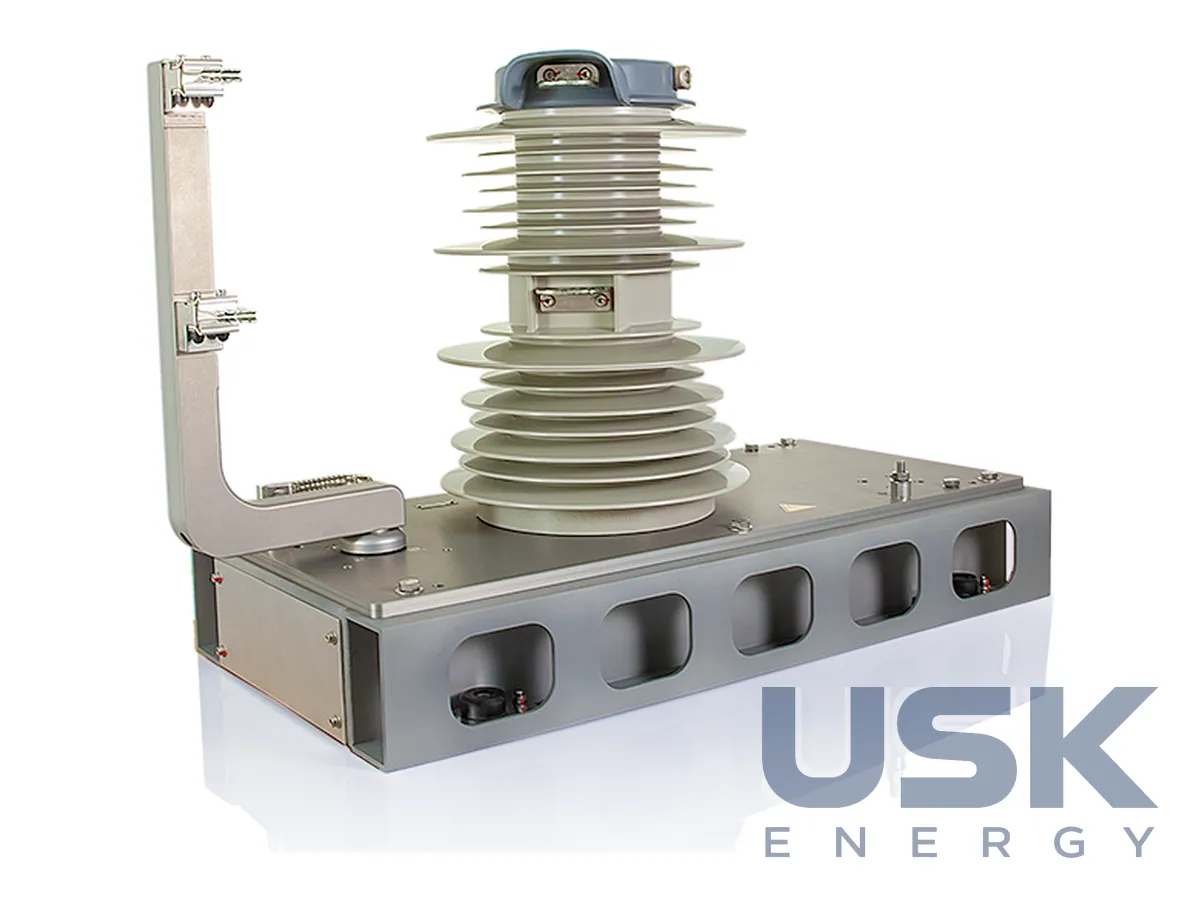
MACS/BVAC AC vacuum circuit breakers for rail vehicles, 15/25 kV
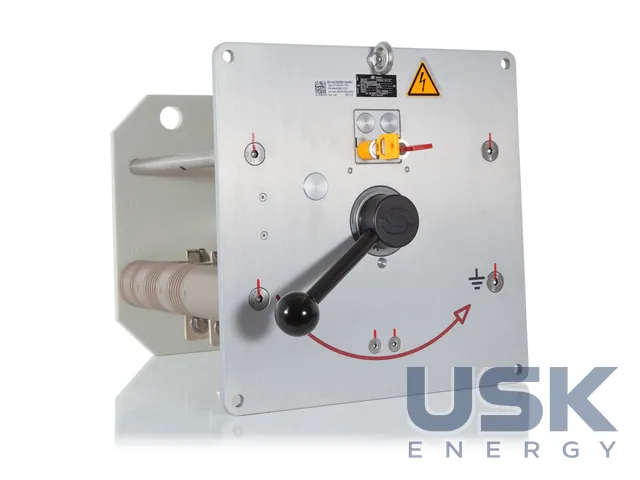
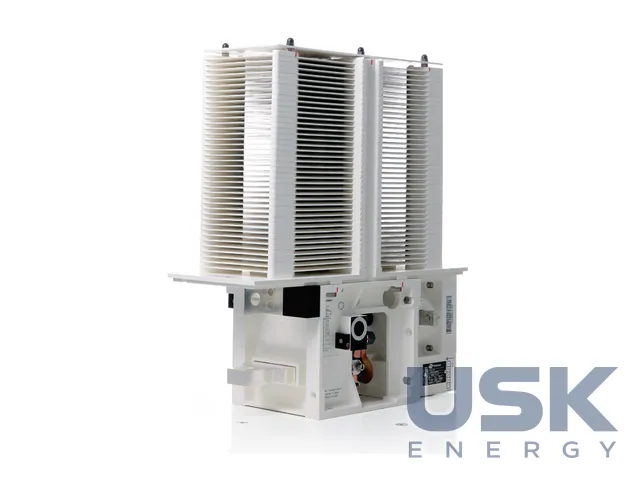
MACS and BVAC are AC vacuum circuit breakers for trains, locomotives and EMUs on 15 kV and 25 kV networks. Maximum operating voltage is 31.5 kVAC, thermal current is up to 1000 A, and breaking capacity is 25 kA at 15 kV and 20 kA at 25 kV.
- Type
- AC vacuum circuit breaker for rail vehicles
- AC applications
- 15 kV (16.7 Hz) and/or 25 kV (50 Hz or 60 Hz)
- Dual voltage
- 15/25 kVAC with MACS
- Maximum operating voltage
- 31.5 kVAC
Price, availability and lead time on request. We help with analogue selection, customs clearance and delivery.
Description
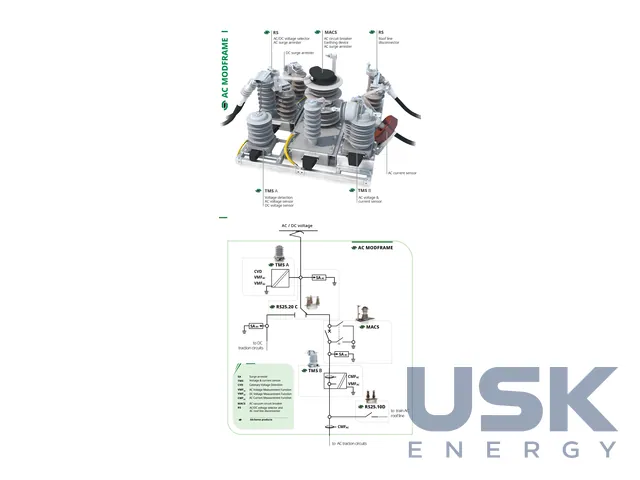
Builders and operators of trains, high-speed trains, locomotives and EMUs on 15 kV and/or 25 kV networks use these breakers in the traction circuit. Choices run from a stand-alone main AC breaker to multifunctional units with an integrated earthing switch, surge arrester or disconnect switch. MACS can be delivered as a standalone unit or integrated in an AC MODBOX or AC MODFRAME.
Applications are 15 kV (16.7 Hz) and/or 25 kV (50 Hz or 60 Hz), and MACS also offers a dual voltage 15/25 kVAC configuration. Maximum operating voltage is 31.5 kVAC and impulse withstand voltage is 125 kV or 170 kV. Thermal current is up to 1000 A, maximum breaking capacity 25 kA (15 kV) and 20 kA (25 kV), and maximum making capacity 62.5 kA. Closing is electromagnetic on MACS and electro-pneumatic on BVAC. Control voltage is 24 to 110 VDC, and installation is vertical or horizontal.
Options include overcurrent and short-circuit detection with self-tripping, and Point-on-Wave synchronous switching at closing and/or opening. That function closes or opens the breaker at a predefined phase angle of the line voltage to reduce inrush currents and electromagnetic interference from switching transients. An optional roof box allows installation without a cut-out.
The ambient temperature range is – 40°C to +70°C, or -50°C to +55°C as an option. The reference standard is IEC 60077-4, interoperability is certified according to TSI Loc&Pas, and the insulation material follows EN 45545-2.
Technical specifications
| Type | AC vacuum circuit breaker for rail vehicles |
|---|---|
| AC applications | 15 kV (16.7 Hz) and/or 25 kV (50 Hz or 60 Hz) |
| Dual voltage | 15/25 kVAC with MACS |
| Maximum operating voltage | 31.5 kVAC |
| Impulse withstand voltage | 125 kV or 170 kV |
| Thermal current | up to 1000 A |
| Maximum breaking capacity | 25 kA (15 kV) and 20 kA (25 kV) |
| Maximum making capacity | 62.5 kA |
| Closing type | electromagnetic (MACS) or electro-pneumatic (BVAC) |
| Control voltage | 24 - 110 VDC |
| Installation | vertical and horizontal |
| Ambient temperature | – 40°C - +70°C (option: -50°C - +55°C) |
| Reference standards | IEC 60077-4 |
How it compares with similar models
| Parameter | MACS/BVAC AC vacuum circuit breakers for rail vehicles, 15/25 kV | BTE earthing switches and the MACS integrated earthing device for rail vehicles, up to 27.5 kVAC | UR DC high-speed circuit breakers for rail vehicles, 900–3600 V | AC MODFRAME integrated roof frame for AC rail vehicles, up to 630 A (AC) |
|---|---|---|---|---|
| Type | AC vacuum circuit breaker for rail vehicles | Earthing devices for high-voltage circuits | DC high-speed circuit breaker for rail vehicles | Integrated roof frame for high voltage equipment |
| Ambient temperature | – 40°C - +70°C (option: -50°C - +55°C) | – 40 °C - +70 °C | – 25 °C - +70 °C (option: -50 °C - +55 °C) | — |
| Reference standards | IEC 60077-4 | IEC 60077-2 | IEC 60077-3 | EN 50124-1, IEC 62497-1, IEC 61373, IEC 60077-2, IEC 60077-3, IEC 60077-4, EN 50463-2 / IEC 62888-2, EN 50125 / IEC 62498 |
Request a price and lead time
MACS/BVAC AC vacuum circuit breakers for rail vehicles, 15/25 kV. We reply within one business day.
Or email sales@usk.ua or call 044 339-50-20.
Questions and answers
What breaking capacity do MACS and BVAC have?
25 kA at 15 kV and 20 kA at 25 kV, with a maximum making capacity of 62.5 kA.
What does the Point-on-Wave function do?
The breaker closes and/or opens at a predefined phase angle of the line voltage, which mitigates inrush currents and electromagnetic interference.
How do MACS and BVAC differ?
In closing type: MACS is electromagnetic, BVAC is electro-pneumatic.
Similar equipment from other manufacturers