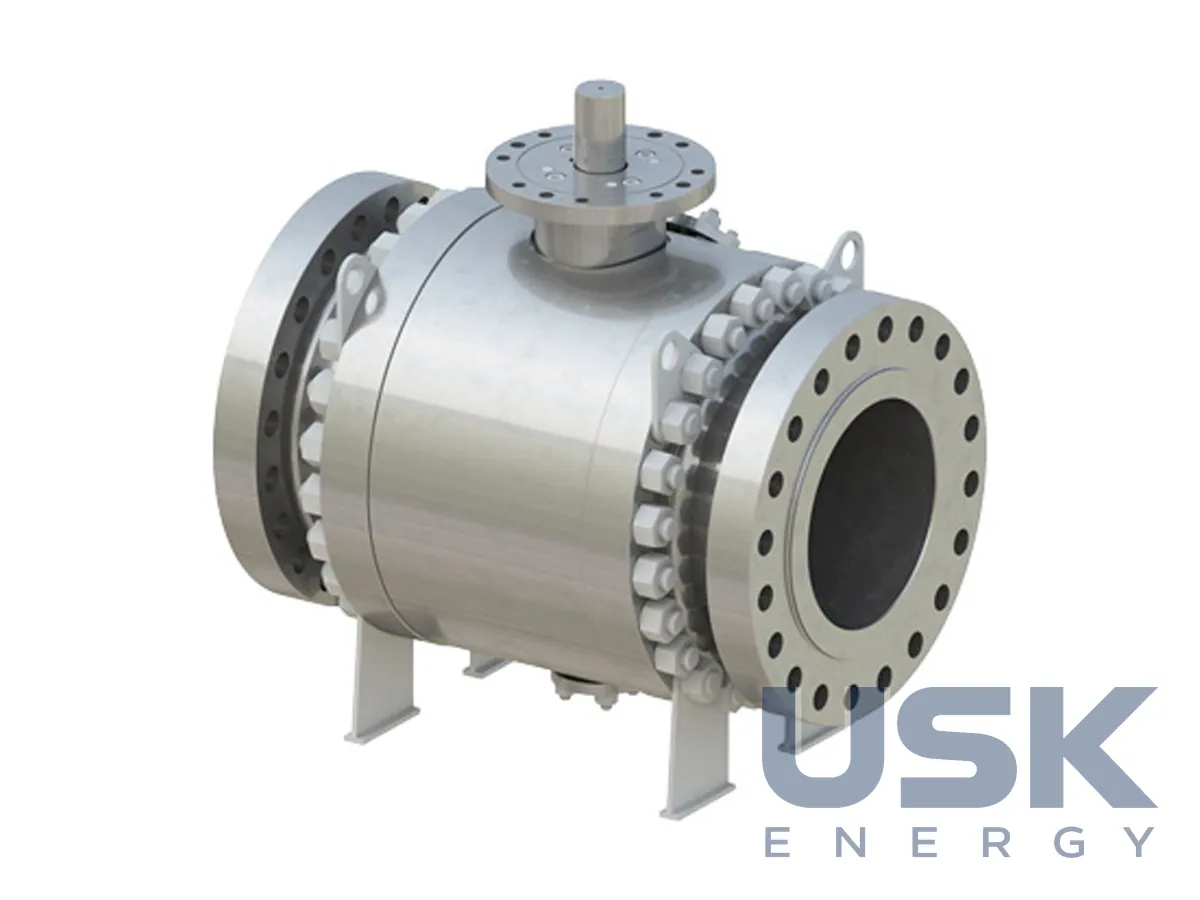
Trunnion mounted and floating ball valves for gas pipelines, NPS 1/2″–60″, ANSI 150–2500
Trunnion mounted and floating ball valves for gas pipelines, NPS 1/2″–60″, ANSI 150–2500. Standard version ANSI 150–900, NPS 2″–36″, with a welded body, buried and cryogenic versions down to −196 °C. The valves are marked Hydrogen Ready for hydrogen blends.
- Production
- plant in Rescaldina (Milan)
- Designs
- trunnion mounted ball and floating ball; side-entry bolted or welded body, top entry on request; buried version
- Standard version
- ANSI 150–900, NPS 2″–36″, from −29 to +150 °C, RF/RTJ flanges (ASME B16.5, B16.47, MSS SP-44)
- Welded body
- ANSI 150–1500, NPS 2″–60″, from −46 to +150 °C, butt-weld ends per ASME B16.25
Price, availability and lead time on request. We help with analogue selection, customs clearance and delivery.
Description
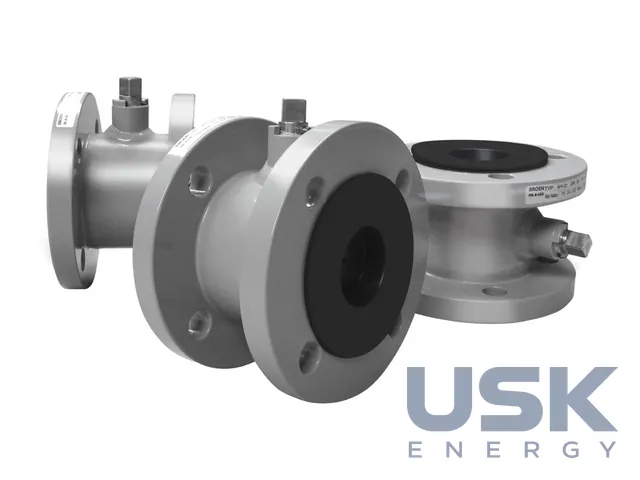
Ball valves for the oil and gas industry and the energy transition are made at a plant in Rescaldina (Milan province). The range has two basic designs. Trunnion mounted valves have ball supports at the top and bottom, so the ball does not move in the axial direction. This reduces torque and makes it possible to use ball valves of large diameters and high pressure classes for gas transmission pipelines, compressor stations, underground gas storage and gas distribution stations. Floating ball valves hold the ball by compression between two spring-loaded seats, have fewer parts and are used mainly in high-pressure gas transport systems and in medium-pressure networks. They are made for the specific task, including corrosive and abrasive media, high temperatures, cryogenic and buried applications.
The advantages of ball valves are a straight bore with low pressure loss, noise and erosion, tight shut-off down to zero leakage, fast operation by a 90° turn and suitability for high pressure.
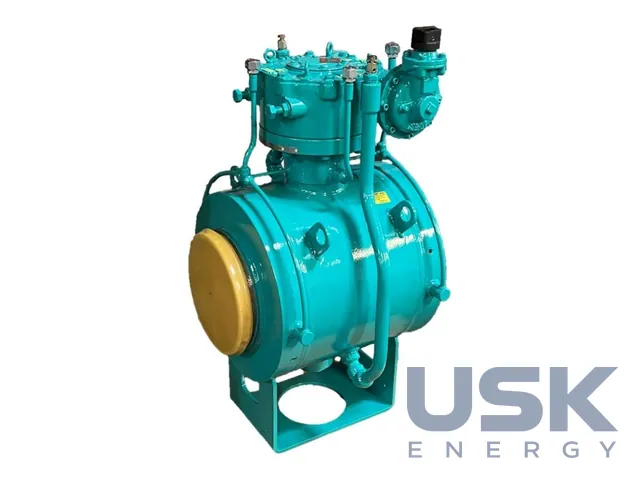
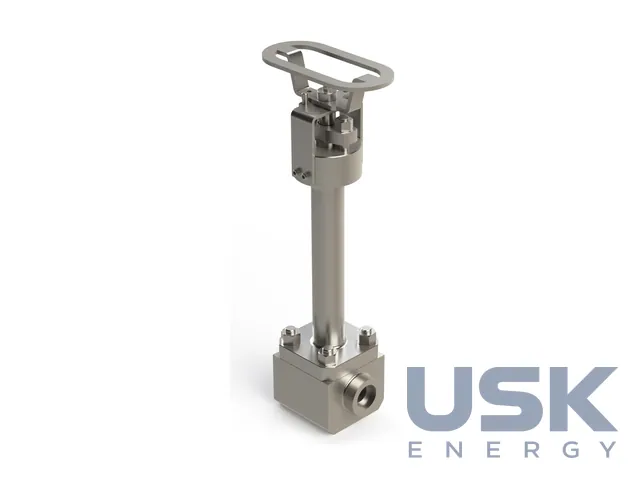
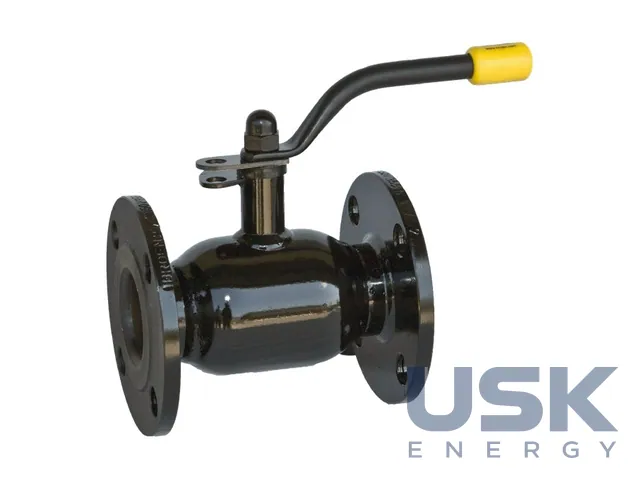
Standard side-entry valves with a bolted body have classes ANSI 150–900, sizes NPS 2″–36″, a temperature from −29 to +150 °C, RF and RTJ flanges per ASME B16.5, B16.47 and MSS SP-44, and face-to-face length per ASME B16.10. For clean gas a welded body is made without two potential leak paths, with classes ANSI 150–1500, NPS 2″–60″, from −46 to +150 °C and butt-weld ends per ASME B16.25. A buried version for pipelines is available. The cryogenic version for liquefied gases has classes up to 2500, NPS 1/2″–36″, from −196 to +150 °C, austenitic stainless steel and an extended stem.
The main materials are low-temperature carbon steel, stainless and duplex steels, seals of Devlon-V, FKM, HNBR and graphite, and electroless nickel plating as the coating. Operation is by bare stem, gearbox or actuator (pneumatic, hydraulic, gas-over-oil or electric). The valves are marked Hydrogen Ready for hydrogen blends, and a compatibility declaration has been issued for them for natural gas with a hydrogen content of 20 mol %. Certification is to API 6D and ISO 9001, fire resistance to API 607 and API 6FA, and fugitive emissions to ISO 15848-1.
Technical specifications
| Production | plant in Rescaldina (Milan) |
|---|---|
| Designs | trunnion mounted ball and floating ball; side-entry bolted or welded body, top entry on request; buried version |
| Standard version | ANSI 150–900, NPS 2″–36″, from −29 to +150 °C, RF/RTJ flanges (ASME B16.5, B16.47, MSS SP-44) |
| Welded body | ANSI 150–1500, NPS 2″–60″, from −46 to +150 °C, butt-weld ends per ASME B16.25 |
| Cryogenic version | ANSI 150–2500, NPS 1/2″–36″, from −196 to +150 °C, extended stem |
| Face-to-face length | ASME B16.10 |
| Operation | bare stem, gearbox, pneumatic, hydraulic, gas-over-oil or electric actuator |
| Materials | low-temperature carbon steel, stainless and duplex steels; seals Devlon-V, FKM, HNBR, graphite; ENP coating |
| Certificates | API 6D, ISO 9001; fire resistance API 607/6FA, fugitive emissions ISO 15848-1; Hydrogen Ready (declaration 20H2-6D) |
Request a price and lead time
Trunnion mounted and floating ball valves for gas pipelines, NPS 1/2″–60″, ANSI 150–2500. We reply within one business day.
Or email sales@usk.ua or call 044 339-50-20.
Questions and answers
How do trunnion mounted and floating ball valves differ?
The trunnion mounted ball has supports at the top and bottom and does not move in the axial direction, so it suits large diameters and high pressure classes. The floating ball is held by two spring-loaded seats and there are fewer parts.
What pressure classes and sizes do the standard and welded versions have?
The standard version is ANSI 150–900, NPS 2″–36″, from −29 to +150 °C. The welded body is ANSI 150–1500, NPS 2″–60″, from −46 to +150 °C.
Is there a cryogenic version, and are the valves suitable for hydrogen?
The cryogenic version has classes up to 2500, NPS 1/2″–36″ and a temperature from −196 to +150 °C. The valves are marked Hydrogen Ready, and the declaration applies to natural gas with a hydrogen content of 20 mol %.
Similar equipment from other manufacturers