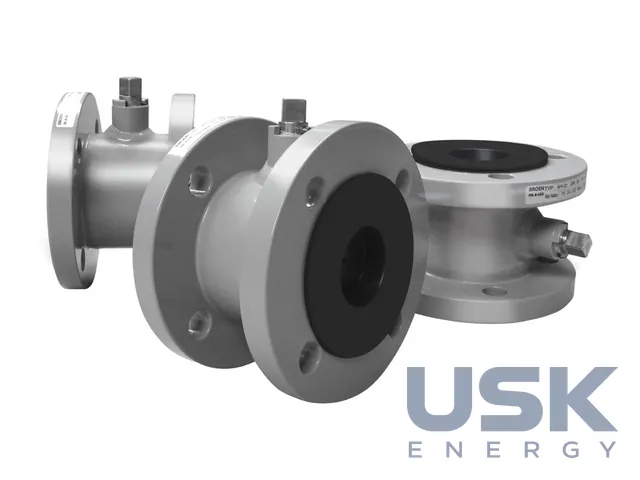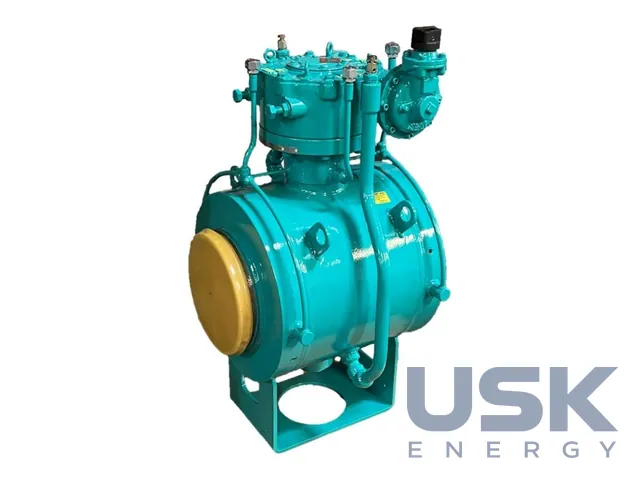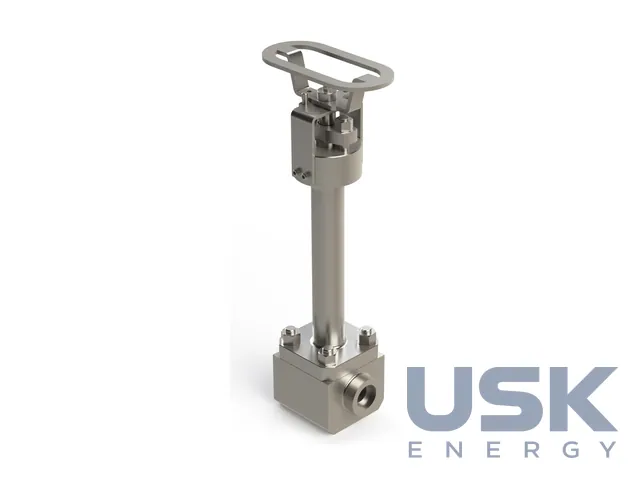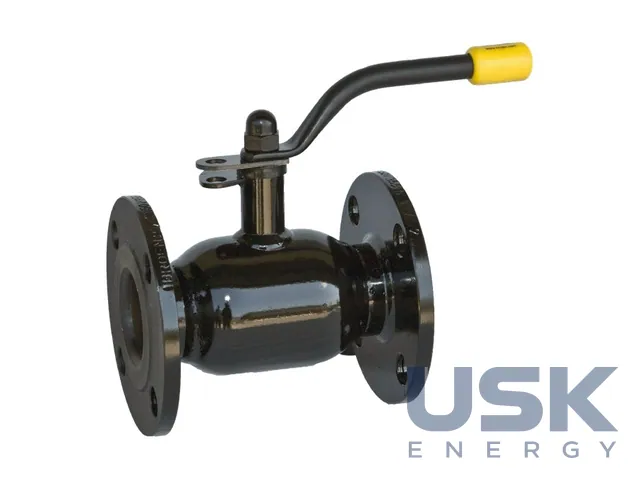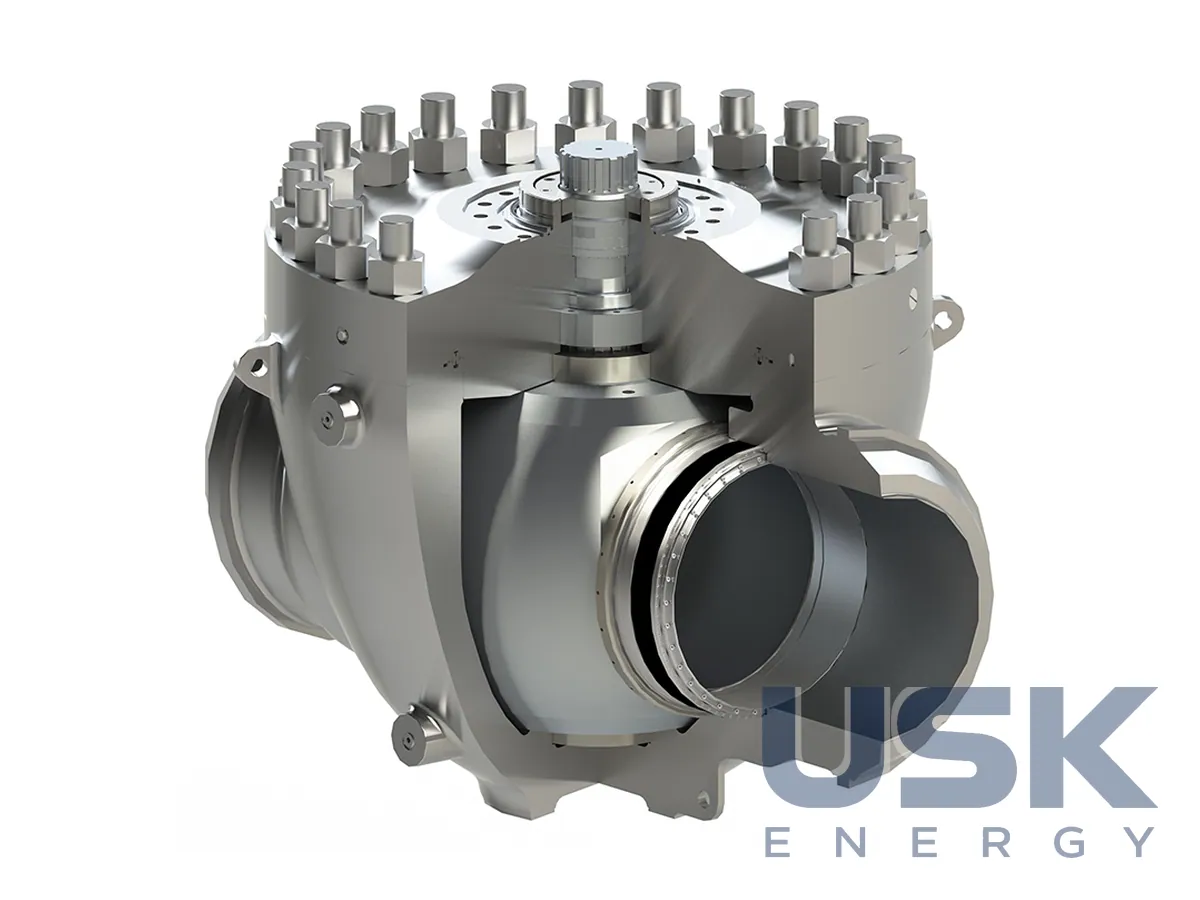
Triforce, floating ball valve with metal sealing for severe service, ANSI 150–2500
Triforce floating ball valves with metal sealing for the most severe operating conditions. Design standard API 6D, ANSI classes 150–2500, diameters from 2 to 36 inches. Temperature range of the standard version from −46 to +427 °C.
- Standard
- API 6D; face-to-face length API 6D / ASME B16.10
- Design
- floating ball, side entry, body of 2 or 3 parts
- Classes and DN
- ANSI 150–600: 2–36 inches; 900–1500: 2–24 inches; 2500: 2–12 inches
- Temperature
- −46…+427 °C (−50…+800 °F) standard; cryogenic and ultra-high-temperature versions on request
Price, availability and lead time on request. We help with analogue selection, customs clearance and delivery.
Description
Triforce is a line of high-performance floating ball valves with metal sealing, intended for the most severe operating conditions and critical applications. The principle is that the contact surfaces of the ball and seats are lapped to each other into a precise pair. So the valve stays tight even when the working medium solidifies or crystallises in the body cavity, and no internal part can seize.
The manufacturer states a long service life in severe conditions and with frequent operations, the possibility of bidirectional sealing (an option for certain applications), a standard temperature range from −50 to +800 °F (about −46…+427 °C), and cryogenic or ultra-high-temperature versions on request. The face-to-face length complies with API 6D / ASME B16.10, and tightness during standard API 6D tests is bubble tight.
The design standard is API 6D. The body is split, of two or three parts, with a side entry. The range is ANSI classes 150–600 from 2 to 36 inches, 900–1500 from 2 to 24 inches, and 2500 from 2 to 12 inches. Materials include low-temperature carbon or low-alloy steel with corrosion-resistant overlay, duplex, super duplex and forged nickel alloys. Working surfaces are overlaid with tungsten carbide, chromium carbide or ceramics. Seals use graphite, thermoplastics and metal, and FFKM elastomers.
The design allows full or reduced bore, a preferred sealing direction or fully bidirectional version, a blow-out proof stem, and fire safe construction. Special options are NACE versions, a special bore, pigging, and an extended stem and cover. For connection there are RF/RTJ flanges, compact or stud, weld ends and a hub. For operation there is a handwheel or gearbox, and electric multi-turn, pneumatic and hydraulic quarter-turn actuators.
There is also a subsea version of Triforce to API 6DSS and API 6A/17D for deepwater installation, working at low contact stresses with self-cleaning of the surfaces. In the gas industry such valves are installed on lines with contaminated or abrasive gas, at gas treatment and processing plants, in separator piping and on blowdown lines, where soft seats wear quickly.
Technical specifications
| Standard | API 6D; face-to-face length API 6D / ASME B16.10 |
|---|---|
| Design | floating ball, side entry, body of 2 or 3 parts |
| Classes and DN | ANSI 150–600: 2–36 inches; 900–1500: 2–24 inches; 2500: 2–12 inches |
| Temperature | −46…+427 °C (−50…+800 °F) standard; cryogenic and ultra-high-temperature versions on request |
| Seat | metal to metal, lapped ball and seats; TCC, CCC or ceramic overlay |
| Tightness | bubble tight in API 6D tests |
| Sealing | graphite, thermoplastics/metal, FFKM elastomers |
| Options | Fire Safe, NACE, piggable, extended stem/cover; bidirectional sealing |
Request a price and lead time
Triforce, floating ball valve with metal sealing for severe service, ANSI 150–2500. We reply within one business day.
Or email sales@usk.ua or call 044 339-50-20.
Questions and answers
What temperature range does the Triforce valve work in?
The standard version is rated for −46…+427 °C, which corresponds to −50…+800 °F. Cryogenic and ultra-high-temperature versions are made on request.
Why does the valve not seize in contaminated media?
The contact surfaces of the ball and seats are lapped to each other and overlaid with tungsten carbide, chromium carbide or ceramics. The valve stays tight even when the medium solidifies or crystallises in the body cavity.
What diameters are available to API 6D?
ANSI classes 150–600 from 2 to 36 inches, 900–1500 from 2 to 24 inches, 2500 from 2 to 12 inches.
Similar equipment from other manufacturers