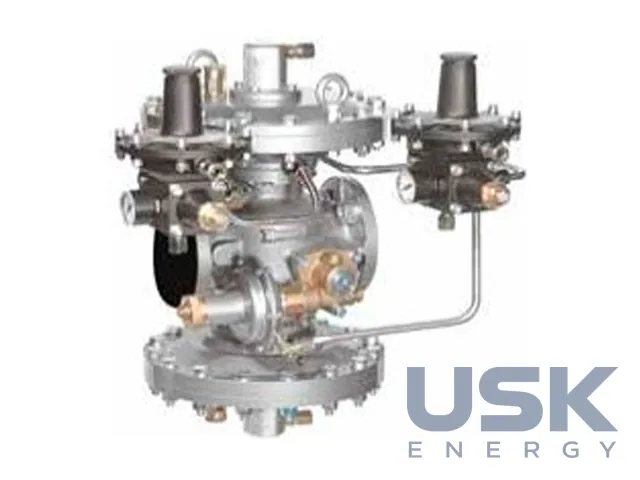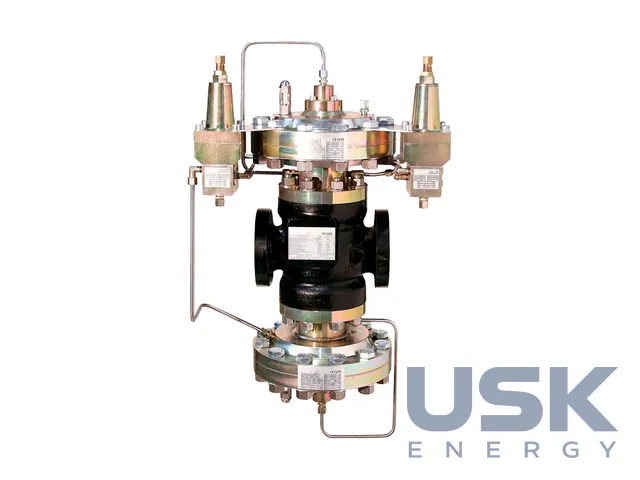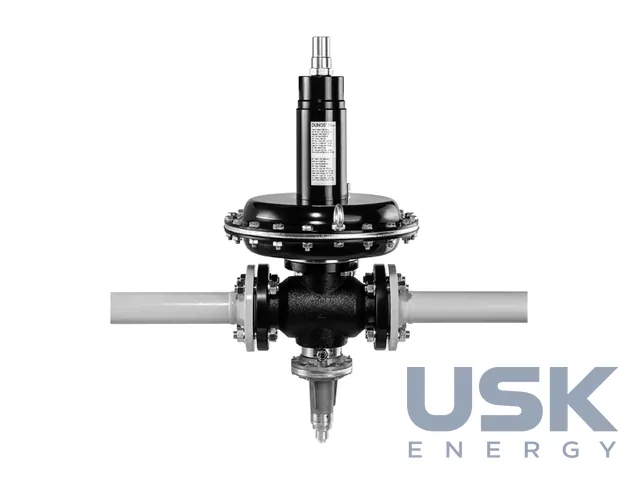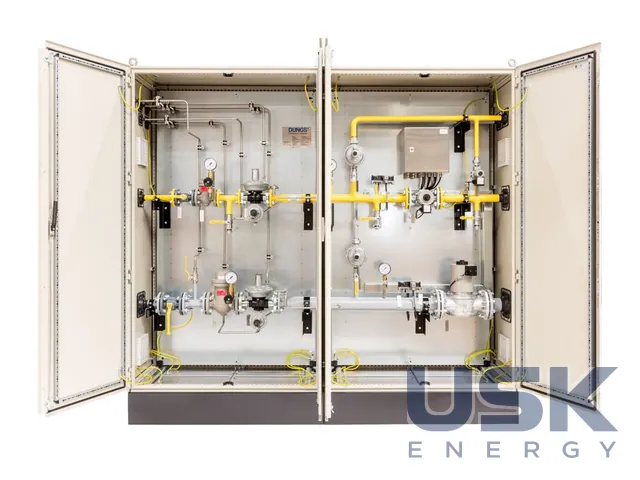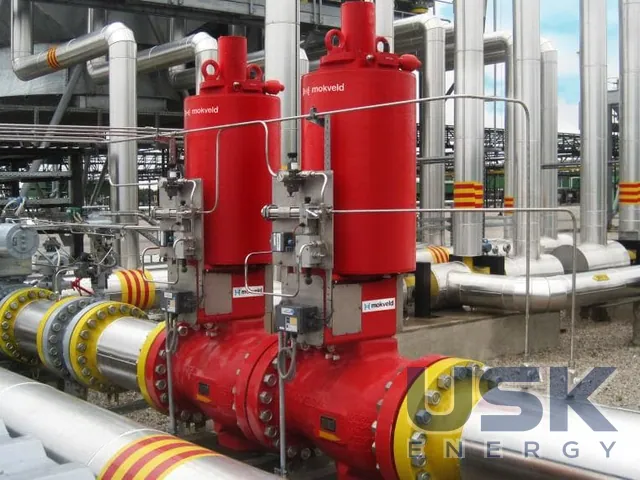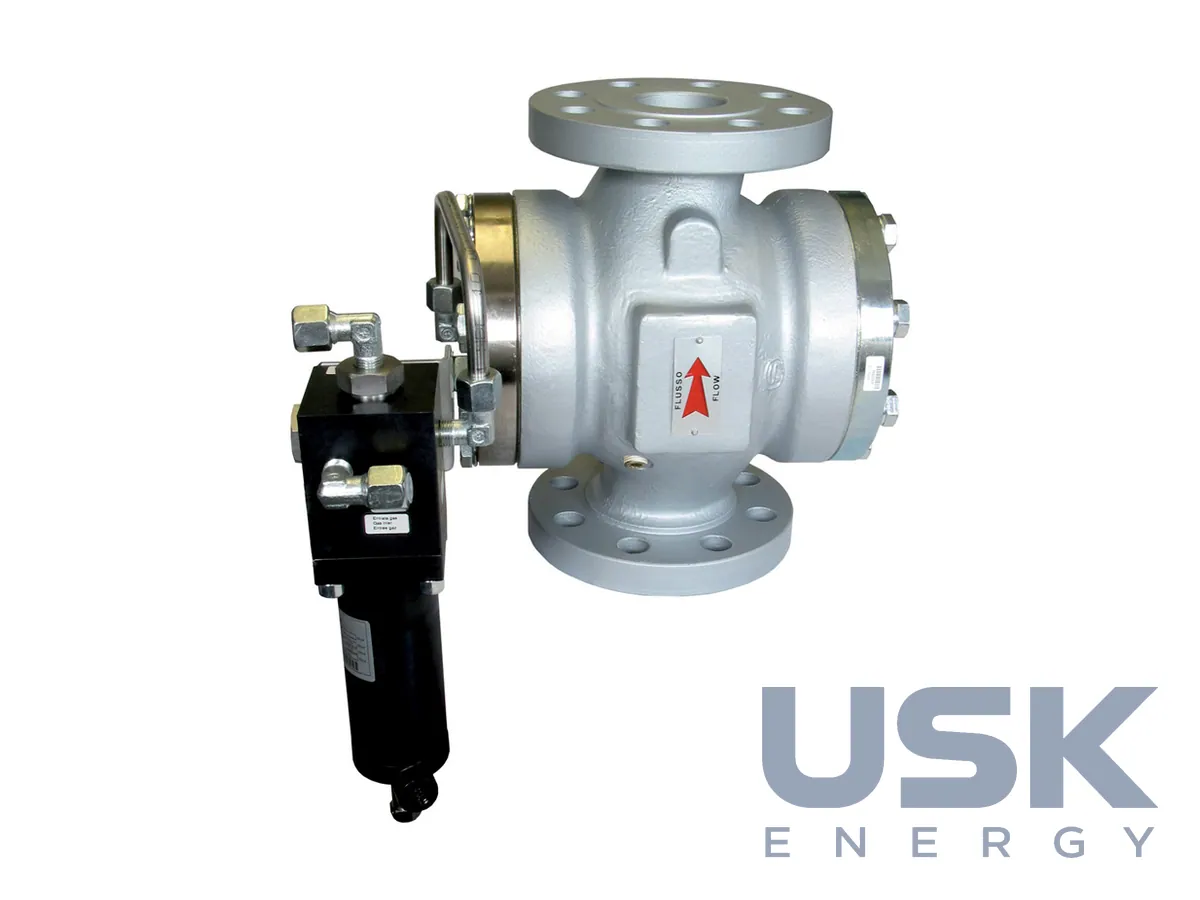
PVS 782 / PVS 803 — pilot-operated gas safety relief valves, up to 102 bar
PVS 782 and PVS 803 are pilot-operated safety relief valves for high and medium pressure gas lines. The design pressure of both valves is up to 10.2 MPa (102 bar), and the set pressure range is from 0.15 to 7.5 MPa (1.5–75 bar). They vent excess gas to the atmosphere or to a vent stack.
- Type
- pilot-operated safety relief valve, top entry
- Design pressure
- up to 10.2 MPa (102 bar)
- Set pressure range
- 0.15–7.5 MPa (1.5–75 bar)
- Max. accuracy over pressure
- PVS 803 up to 10 %; PVS 782 up to 15 %
Price, availability and lead time on request. We help with analogue selection, customs clearance and delivery.
Description
Opening and closing of the main obturator is controlled by a pilot, so the valves react very sensitively to changes of line pressure and give high response accuracy. Unlike a slam-shut valve, which cuts off the gas supply, a relief valve limits the pressure rise downstream of the regulator during short events, for example when the regulator does not close tightly at zero flow. The relief pressure is set by the pilot in the range from 0.15 to 7.5 MPa.
The valves are intended for high pressure trunk systems and medium pressure distribution networks and can work with natural gas and other pre-cleaned non-corrosive gases. Typical sites are gas distribution stations, compressor and booster stations, underground storage, liquefaction and regasification plants, LNG terminals, power plants, heavy industry and district stations.
PVS 803 is made in sizes DN 25, 50, 80, 100 and 150 and has a maximum accuracy of up to 10 % over pressure. PVS 782 is intended for higher capacities, DN 100, 150 and 200, with an accuracy of up to 15 %. Connections are ANSI 150, 300 and 600 flanges per ASME B16.5 and PN 16 per EN 1092, and the face-to-face length complies with EN 334 and EN 14382. The ambient and gas temperature is from −20 to +60 °C. Other functional features and extended temperature ranges are available on request, and the limits given are the maximum ones at which full accuracy is retained.
The body for classes 300 and 600 is made of ASTM A352 LCC cast steel, and for class 150 and PN 16 of ASTM A216 WCB. The stem is AISI 416, the obturator is carbon steel with vulcanized rubber, the seat is stainless steel and the seals are NBR. The valves are designed to ISO 4126-4 (pilot-operated safety valves) and certified to PED 2014/68/EU. Bubble-tight sealing is better than class VIII per ANSI/FCI 70-3. The top entry design simplifies maintenance.
A manual testing device is available as an option. The valves are compatible with biomethane and are available in versions for hydrogen blends or 100 % hydrogen.
Technical specifications
| Type | pilot-operated safety relief valve, top entry |
|---|---|
| Design pressure | up to 10.2 MPa (102 bar) |
| Set pressure range | 0.15–7.5 MPa (1.5–75 bar) |
| Max. accuracy over pressure | PVS 803 up to 10 %; PVS 782 up to 15 % |
| Nominal sizes | PVS 803 DN 25, 50, 80, 100, 150; PVS 782 DN 100, 150, 200 |
| Connections | ANSI 150/300/600 per ASME B16.5; PN 16 per EN 1092 |
| Temperature | from −20 to +60 °C |
| Materials | body ASTM A352 LCC (300/600) or ASTM A216 WCB (150, PN 16); stem AISI 416; obturator steel with vulcanized rubber; seat stainless steel |
| Standards | ISO 4126-4, PED 2014/68/EU; ANSI/FCI 70-3 better than class VIII |
| Options | manual testing device; hydrogen versions |
Request a price and lead time
PVS 782 / PVS 803 — pilot-operated gas safety relief valves, up to 102 bar. We reply within one business day.
Or email sales@usk.ua or call 044 339-50-20.
Questions and answers
What set pressure range do PVS 782 and PVS 803 have?
The set pressure range is from 0.15 to 7.5 MPa (1.5–75 bar), and the design pressure of both valves is up to 10.2 MPa (102 bar).
How do the models differ in sizes and accuracy?
PVS 803 is made in DN 25, 50, 80, 100 and 150 with an accuracy over pressure of up to 10 %. PVS 782 is intended for DN 100, 150 and 200 with an accuracy of up to 15 %.
Which standards are the valves designed to?
To ISO 4126-4, certified to PED 2014/68/EU. Sealing is better than class VIII per ANSI/FCI 70-3.
Similar equipment from other manufacturers