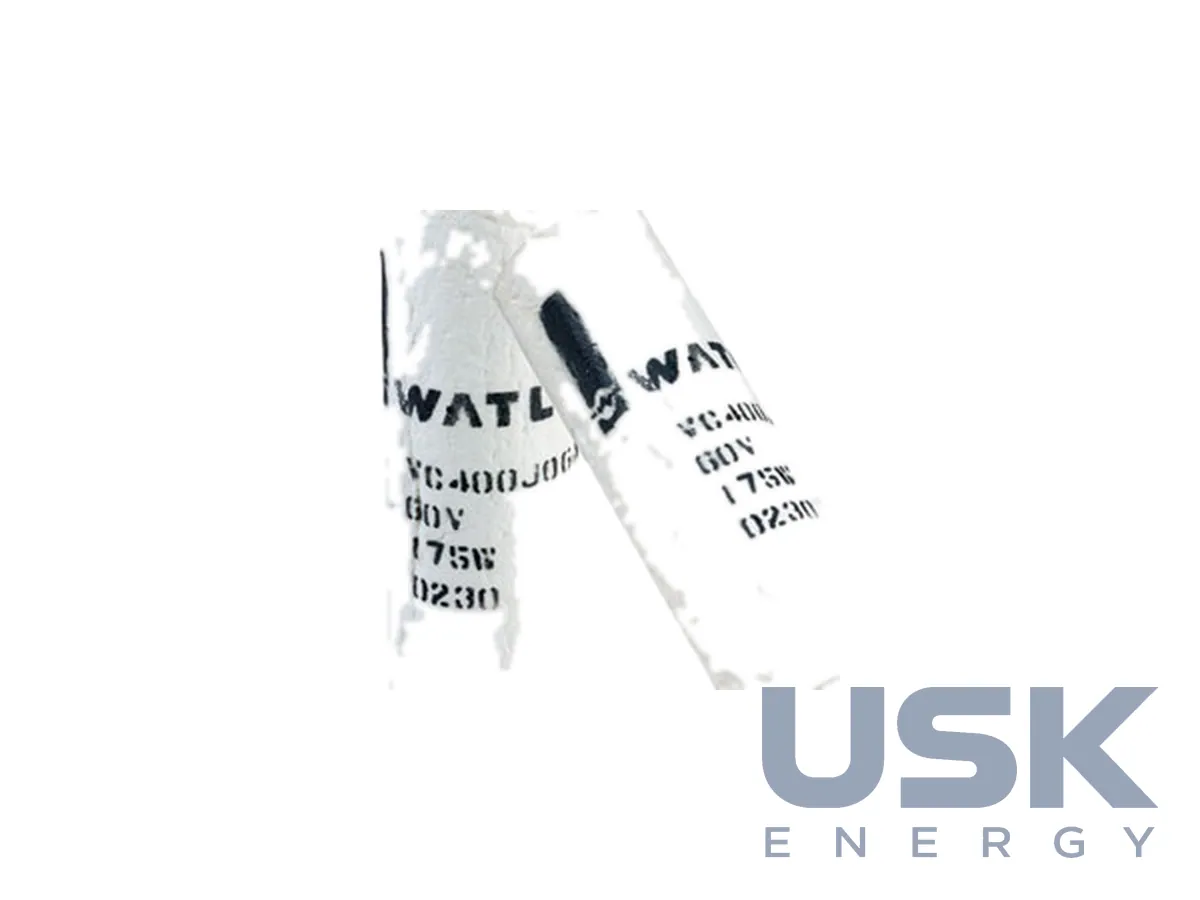
Ceramic Fibre Heaters for High-Temperature Furnaces, up to 1204 °C, up to 4.6 W/cm²
The ceramic fibre heater combines a self-supporting heating element and thermal insulation in a single unit. It runs at temperatures up to 1204 °C (2200 °F) with a watt density of 0.8 to 4.6 W/cm², and heat is transferred by radiation alone.
- Material
- aluminosilicate ceramic fibre
- Maximum operating temperature
- 1204 °C (2200 °F)
- Watt density
- 5–30 W/in² (0.8–4.6 W/cm²)
- Heat transfer
- radiation
Price, availability and lead time on request. We help with analogue selection, customs clearance and delivery.
Description
Ceramic fibre heaters are used in high-temperature and conveyor furnaces, for melting, holding and transferring metal, in semiconductor processing, for glass, ceramic and wire processing, for tempering and annealing, for drying and curing paints, coatings, plastics and films, and in analytical instruments. A dedicated version replaces heaters in aluminium crucible furnaces at the same dimensions and power ratings.
The body is moulded from a light aluminosilicate fibre composition with a density of 10–15 lb/ft³ (160–240 kg/m³) and an inorganic binder, which shrinks only slightly. This mass acts as the insulation and separates the heating chamber from the surroundings. The unit remains rigid, self-supporting and resistant to thermal shock across its whole working range. The surface carries a thin, durable high-temperature ceramic coating, with a high-emissivity coating available as an option.
Heating elements made from ICA high-temperature alloy are embedded in the fibre at the required position, and five element configurations are offered. In the V-shaped sinusoidal design the element is fully self-supporting. Unlike open coils on solid ceramic, it does not sag, carries no mechanical stress where it is embedded, and is protected from splashes of molten aluminium. The leads are made from a ductile alloy strip.
Low thermal mass brings the process to temperature quickly, and the energy goes into the load rather than the heater itself. The heaters run on standard mains voltage without transformers or complex power control systems, so they connect to conventional temperature controllers. The same range includes RAYMAX radiant panels. RAYMAX 1220, built around an etched foil element, reaches 650 °C and handles up to 3 W/cm² (20 W/in²), while RAYMAX 2030, with a coil or sinusoidal element, goes up to 1095 °C and 30 W/in². Panel insulation measures 2 in. (51 mm), case depth is 2 1/2 in. (64 mm), and voltage is up to 600 V.
Technical specifications
| Material | aluminosilicate ceramic fibre |
|---|---|
| Maximum operating temperature | 1204 °C (2200 °F) |
| Watt density | 5–30 W/in² (0.8–4.6 W/cm²) |
| Heat transfer | radiation |
| Insulation density | 10–15 lb/ft³ (160–240 kg/m³) |
| Heating element | ICA alloy, self-supporting |
| Element configurations | five |
| Coating | high-temperature ceramic, optionally with high emissivity |
| Power supply | standard mains voltage |
| RAYMAX 1220 | etched foil, up to 650 °C, up to 3 W/cm² (20 W/in²) |
| RAYMAX 2030 | coil element, up to 1095 °C, up to 30 W/in² |
Part numbers
Show all part numbers (2)
RAYMAX 1220, RAYMAX 2030
Request a price and lead time
Ceramic Fibre Heaters for High-Temperature Furnaces, up to 1204 °C, up to 4.6 W/cm². We reply within one business day.
Or email sales@usk.ua or call 044 339-50-20.
Questions and answers
Does the heater need a step-down transformer for its supply?
No. The heaters run on standard mains voltage and connect to conventional temperature controllers.
How does this heater compare with an open coil on solid ceramic in an aluminium crucible furnace?
The self-supporting V-shaped element does not sag, carries no stress where it is embedded and is protected from splashes of molten metal, while the dimensions and power stay the same.
What watt density can be specified?
From 5 to 30 W/in² (0.8–4.6 W/cm²) at operating temperatures up to 1204 °C.
Similar equipment from other manufacturers