Porcelain line insulators: cap-and-pin, spool, strain, pin and line post
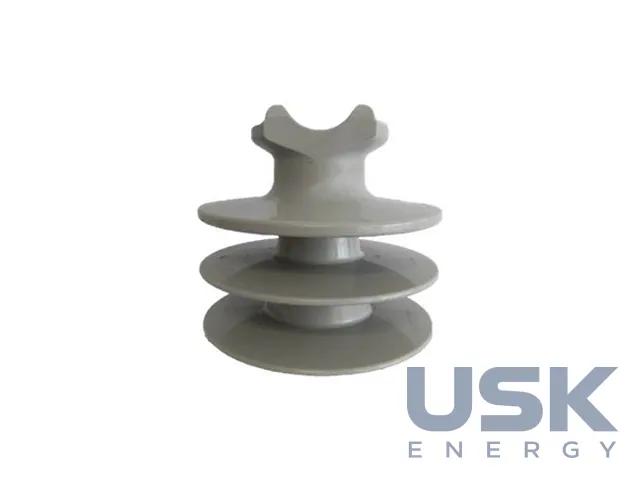
Porcelain line insulators cover cap-and-pin disc, spool, strain and stay, pin and line post types for overhead lines and distribution networks. The company's reputation began with these products, and their durability is confirmed by many years of service.
- Material
- electrical porcelain
- Types
- cap-and-pin discs, spool, strain and stay, pin, line post
- Technology
- wet pressing and isostatic (dry) pressing
- Coupling gauge standards
- BS, IEC, ANSI
Price, availability and lead time on request. We help with analogue selection, customs clearance and delivery.
Description
Porcelain was the basis of the company's programme for the first hundred years, when it operated under earlier names. Production continues today, and the range covers insulators for overhead transmission lines and distribution networks. Alongside standard types, the factory makes numerous special products that appeared over the years of working with customers on individual fittings, dimensions and service conditions. The head office and factory are located in Tunstall, Staffordshire, at Scotia Business Park. The company's porcelain tradition comes from three earlier insulator makers whose production was merged under one name.
Cap-and-pin disc insulators are assembled into suspension and strain strings. Spool insulators are used on low-voltage and distribution lines. Strain and stay insulators break the electric circuit in pole stays. Pin insulators and line post insulators are available for medium-voltage lines. Each type has several variants of size and fittings, and special products are made to the customer's drawing and fittings.
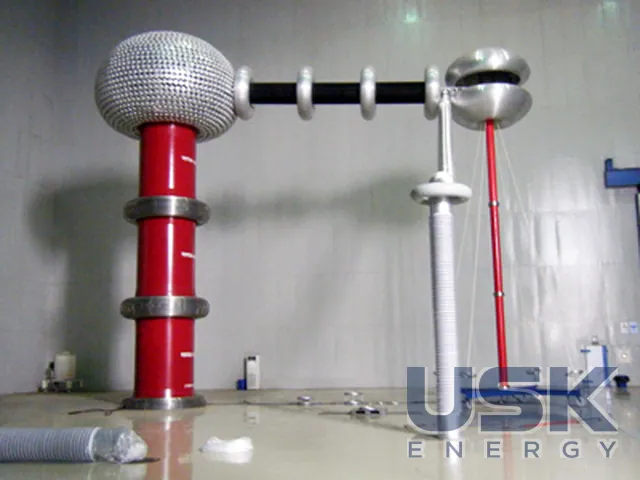
Porcelain is formed by two methods, wet pressing and isostatic (dry) pressing. Metal fittings are joined to the insulating part by cementing. The factory laboratory checks the porcelain by non-destructive methods, dye penetrant (colour) flaw detection and ultrasound. Mechanical tension, bending and compression tests follow, along with control of the zinc coating thickness of the fittings and checking of articulated couplings with BS, IEC and ANSI gauges. Production and laboratory operate under ISO 9001 and ISO 14001 management systems, and the occupational health and safety system is aligned with ISO 45001.
These insulators are ordered most often for repair and replacement of insulation on existing overhead lines, where the new product must be interchangeable with earlier installed products to British standards. They are also installed on new distribution and transmission lines. Together with its own line fittings, the company supplies complete strings for wooden and metal poles, so the customer receives an insulator and coupling links matched to each other. Specific sizes and characteristics are selected on request for the line, pole type and string requirements.
Technical specifications
| Material | electrical porcelain |
|---|---|
| Types | cap-and-pin discs, spool, strain and stay, pin, line post |
| Technology | wet pressing and isostatic (dry) pressing |
| Coupling gauge standards | BS, IEC, ANSI |
Request a price and lead time
Porcelain line insulators: cap-and-pin, spool, strain, pin and line post. We reply within one business day.
Or email sales@usk.ua or call 044 339-50-20.
Customs codes
| UKTZED (Ukraine) | 8546 20 91 00 |
|---|---|
| HS, 6 digits | 8546 20 |
| CN (EU) | 8546 20 91 |
| HTSUS (USA) | 8546 20 00 00 |
| China customs tariff | 8546 20 10 00 |
Codes are for reference: the final code is determined at declaration for the specific model.
Questions and answers
What types of porcelain insulators are produced?
Cap-and-pin disc, spool, strain and stay, pin and line post insulators. Special products to the customer's fittings and dimensions are also available.
Are these insulators suitable for replacement on existing lines built to British standards?
Yes, they are used in repair and replacement of insulation where interchangeability with earlier installed products to British standards is needed. The size is selected on request.
How is the quality of the porcelain controlled?
By dye penetrant flaw detection and ultrasound, plus mechanical tension, bending and compression tests. Articulated couplings are checked with BS, IEC and ANSI gauges.
Similar equipment from other manufacturers