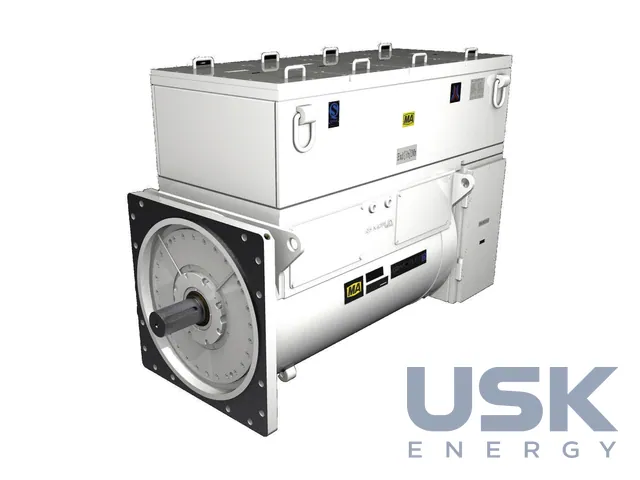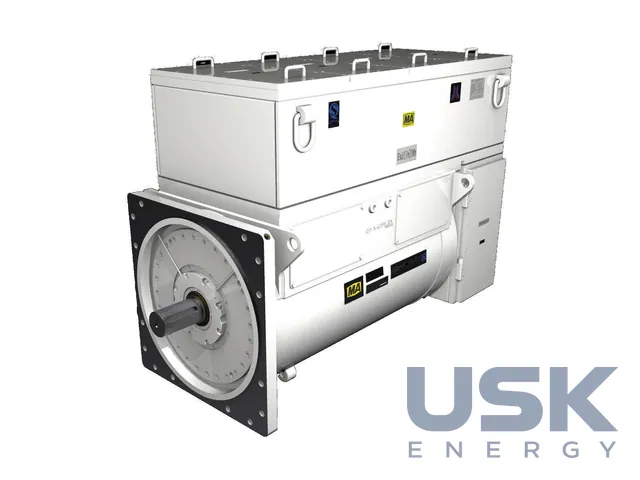
PAM — two-speed asynchronous motors with a single winding (pole amplitude modulation)
PAM motors are two-speed asynchronous motors with a squirrel-cage rotor and a single winding, using the principle of pole amplitude modulation (PAM).
- Type
- two-speed asynchronous motor with squirrel-cage rotor and single winding (PAM)
- Speed ratios
- not only 2:1 — e.g. 900/720, 1200/900, 1800/1200 rpm
- Power
- part of the World Series range, 250–30,000 hp; more than 500 motors above 500 hp in operation
- Speed switching
- oil-filled 5-pole switch with motor drive, 6 leads
Price, availability and lead time on request. We help with analogue selection, customs clearance and delivery.
Description
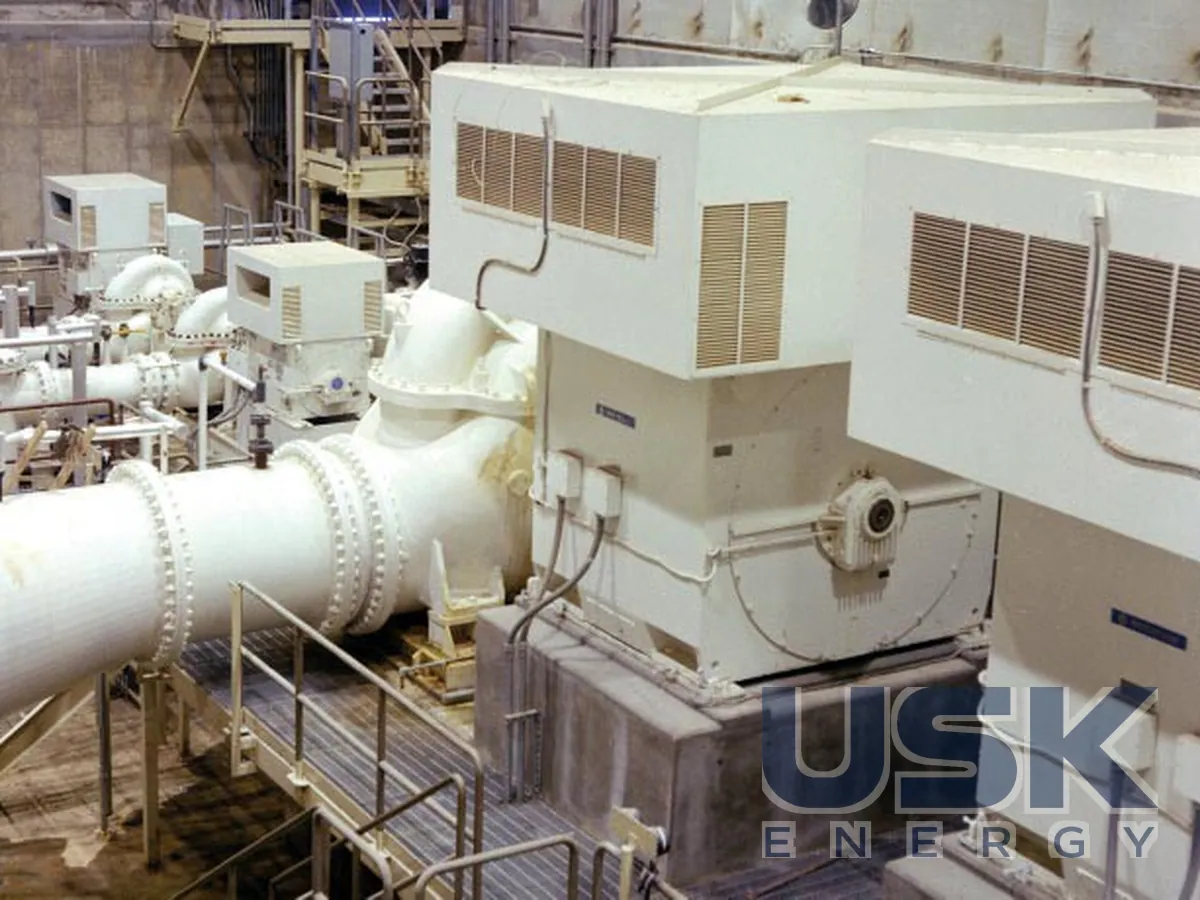
PAM motors are two-speed asynchronous motors with a squirrel-cage rotor and a single winding, using the principle of pole amplitude modulation (PAM). The motor can run at two fixed speeds; unlike conventional single-winding two-speed machines, where the speed ratio is always 2:1, PAM allows many combinations, for example 900/720, 1200/900 or 1800/1200 rpm. This makes it considerably more versatile. According to the company, it has more experience with PAM motors than all competitors combined; more than 500 PAM motors above 500 hp are in operation at power plants and industrial facilities. The speed is switched electrically rather than mechanically. This reduces the power consumed by the fan at partial loads and makes it possible to dispense with regulating couplings with slip losses. A single-winding PAM machine is cheaper, lighter, more compact and more efficient than a two-winding motor of the same power. Starting at the lower speed reduces rotor heating when accelerating machinery with a high moment of inertia by up to 40 % and reduces the starting current, which extends the motor's service life. According to the manufacturer, payback is often one year or less. To switch speeds, an oil-filled five-pole switch with a motor drive, installed next to the motor, is usually used; six leads run from the switch to the motor, three for each speed. The brochure gives an example of calculating an induced-draft fan: at an operating point of about 75 % flow, switching from 900 to 720 rpm saves about 1200 hp according to the fan affinity laws (power is proportional to the cube of speed). The main applications are boiler induced-draft and forced-draft fans (especially when scrubbers and booster fans are installed, when fans are sized with a margin for the test condition but operate at the rated condition), primary fans, circulating and feed pumps, and compressors. The motors are produced as part of the World Series range and have Thermalastic® insulation, a copper rotor and a welded box frame. Large machines are manufactured and tested at the plant in Round Rock, Texas, USA, which has produced large DC motors since 1976, AC induction motors since 1977 and synchronous motors since 1978.
Technical specifications
| Type | two-speed asynchronous motor with squirrel-cage rotor and single winding (PAM) |
|---|---|
| Speed ratios | not only 2:1 — e.g. 900/720, 1200/900, 1800/1200 rpm |
| Power | part of the World Series range, 250–30,000 hp; more than 500 motors above 500 hp in operation |
| Speed switching | oil-filled 5-pole switch with motor drive, 6 leads |
| Starting | at the lower speed (rotor heating reduced by up to 40 %) |
| Applications | induced-draft fans, forced-draft fans, circulating and feed pumps, compressors |
Request a price and lead time
PAM — two-speed asynchronous motors with a single winding (pole amplitude modulation). We reply within one business day.
Or email sales@usk.ua or call 044 339-50-20.
Similar equipment from other manufacturers