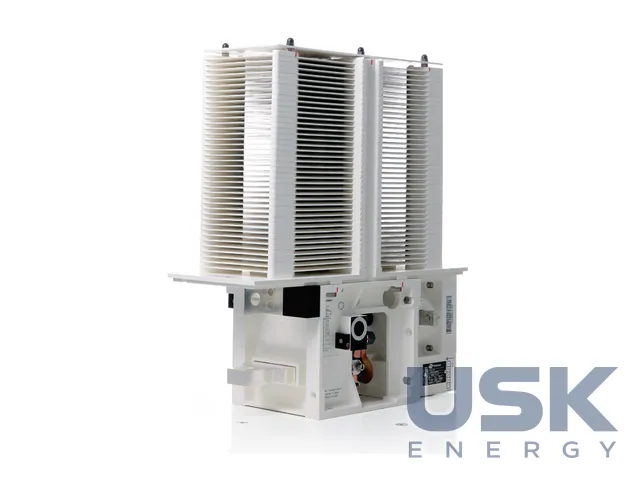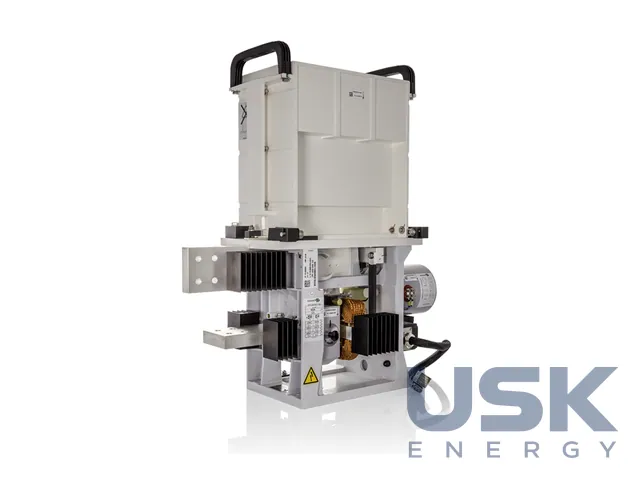
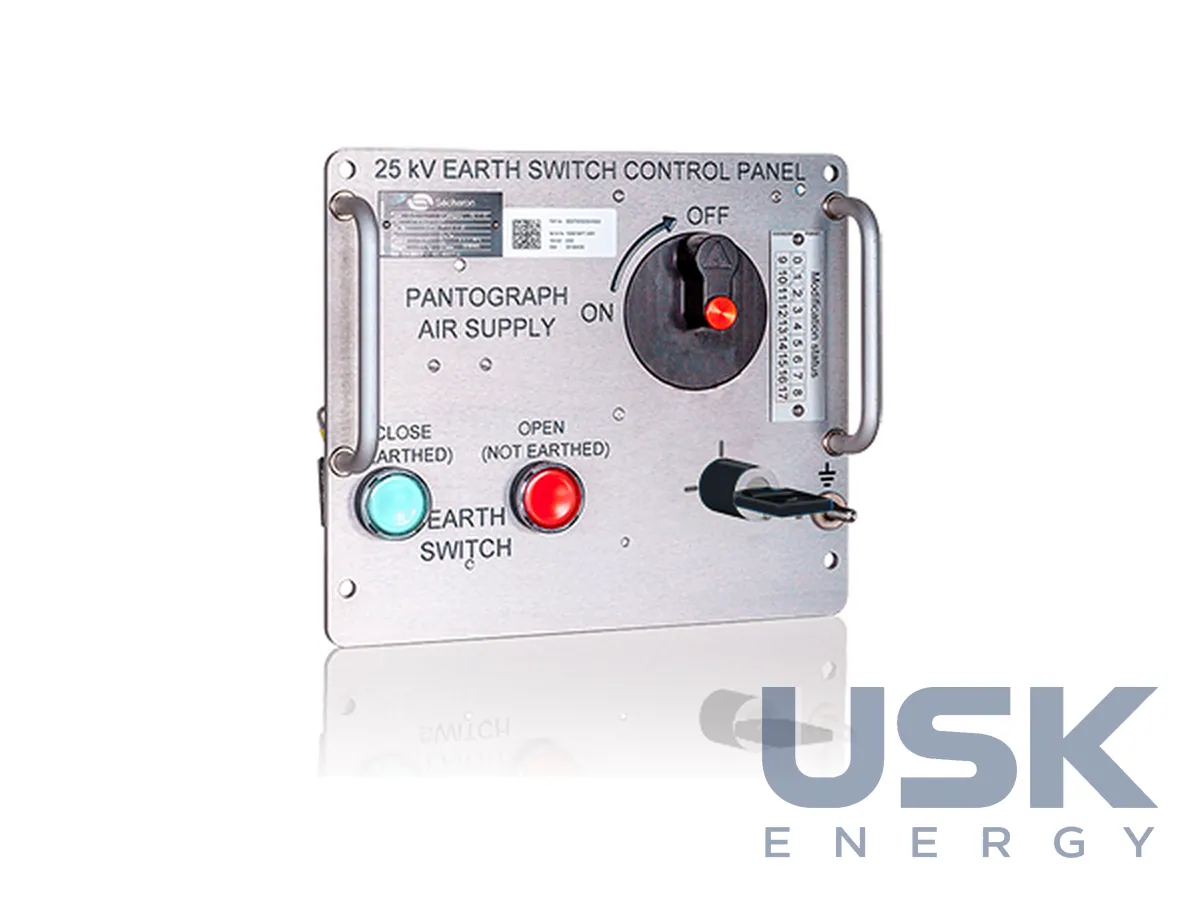
BSV and SLS pantograph interlocking switches for pneumatic circuits, 0.4–1 MPa
BSV and SLS keep pneumatically operated pantographs safe for maintenance technicians working on or near high-voltage equipment. Air pressure is 0.4 to 1 MPa, operation is manual, key interlocking takes up to 3 keys (1 Master + 2 Slaves), and weight is 1 kg.
- Type
- Pantograph interlocking switches
- Air pressure
- 0.4 to 1 MPa
- Operation
- manual
- Key interlocking
- up to 3 keys (1 Master + 2 Slaves)
Price, availability and lead time on request. We help with analogue selection, customs clearance and delivery.
Description
The BSV or SLS is fitted in the pneumatic circuit that supplies air to a pneumatically driven device such as a pantograph. Before maintenance it is switched off by hand, which interrupts the air supply and releases the pressure in the circuit. In the safe, or off, position the interlocking key can be removed, and with the key out the BSV cannot be switched back on and the pantograph cannot be raised.
The SLS is used where the AC or DC circuit breaker is earthed through an electrically operated earthing device. It locks the pneumatic valve that supplies the pantograph in its exhaust position, so the pantograph cannot rise during maintenance. Once the pantograph is locked down, the operator may earth the circuit breaker with a push button on the SLS that is interlocked with the valve position.
Air pressure is 0.4 to 1 MPa. Operation is manual, and key interlocking supports up to 3 keys (1 Master + 2 Slaves). Auxiliary contacts indicate the BSV position. The unit is installed indoors and weighs 1 kg. The reference standard is IEC 61373 and the insulation material follows EN 45545-2.
BSV and SLS can be delivered with other safety key interlocking devices (earthing devices, key multipliers, door locks) and with other components for the electrical safety of the traction chain on AC and/or DC railway vehicles.
Technical specifications
| Type | Pantograph interlocking switches |
|---|---|
| Air pressure | 0.4 to 1 MPa |
| Operation | manual |
| Key interlocking | up to 3 keys (1 Master + 2 Slaves) |
| Auxiliary contacts | BSV position indication |
| Installation | indoor |
| Weight | 1 kg |
| Reference standards | IEC 61373 |
| Insulation material | according to EN 45545-2 |
How it compares with similar models
| Parameter | BSV and SLS pantograph interlocking switches for pneumatic circuits, 0.4–1 MPa | UR DC high-speed circuit breakers for rail vehicles, 900–3600 V | UR DC circuit breakers for traction substations to EN/IEC standards, 900–3600 VDC | UR DC circuit breakers for traction substations to IEEE standards, 800–1600 VDC |
|---|---|---|---|---|
| Type | Pantograph interlocking switches | DC high-speed circuit breaker for rail vehicles | DC high-speed circuit breaker for traction substations | IEEE DC high-speed circuit breaker |
| Reference standards | IEC 61373 | IEC 60077-3 | EN 50123-2; IEC 61992-2 | IEEE C37.16; IEEE C37.14 |
Request a price and lead time
BSV and SLS pantograph interlocking switches for pneumatic circuits, 0.4–1 MPa. We reply within one business day.
Or email sales@usk.ua or call 044 339-50-20.
Questions and answers
How does the BSV make a pantograph safe for maintenance?
It is switched off manually, which cuts the air supply and releases the pressure, and removing the key prevents it from being switched back on.
When is the SLS used?
Where the circuit breaker is earthed by an electrically operated earthing device; the SLS locks the pantograph valve in its exhaust position.
How many keys does the interlocking support?
Up to 3 keys: 1 Master and 2 Slaves.
Similar equipment from other manufacturers