CCS large-diameter pipes for dense-phase CO₂ pipelines (onshore and offshore)
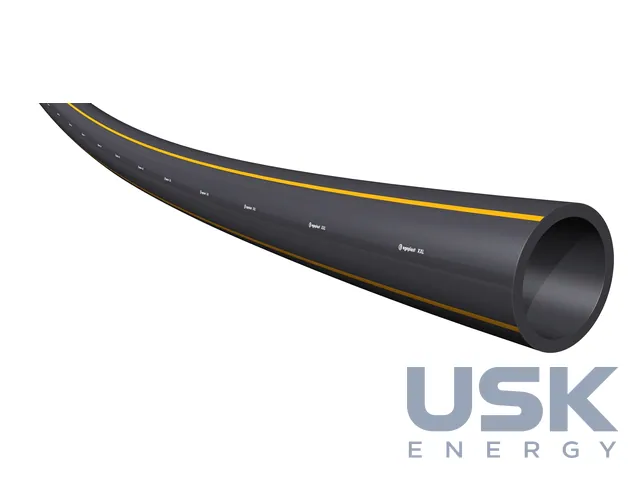
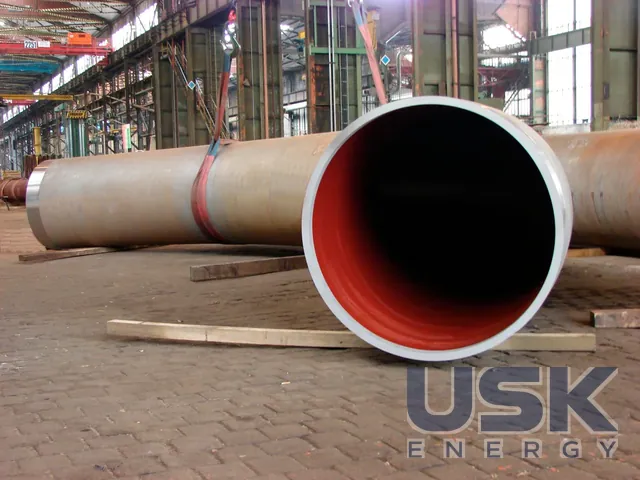
CCS pipes are intended for pipelines that carry carbon dioxide in the dense phase from industrial sources to underground storage sites. They are SAWL (UOE) welded pipes with an outside diameter of 610–1524 mm and a wall thickness of up to 52 mm. They are used onshore and offshore.
- Purpose
- transport of CO₂ in the dense phase to underground storage
- Type
- SAWL (UOE)
- Outside diameter
- 610 … 1524 mm
- Wall thickness
- up to 52 mm
Price, availability and lead time on request. We help with analogue selection, customs clearance and delivery.
Description
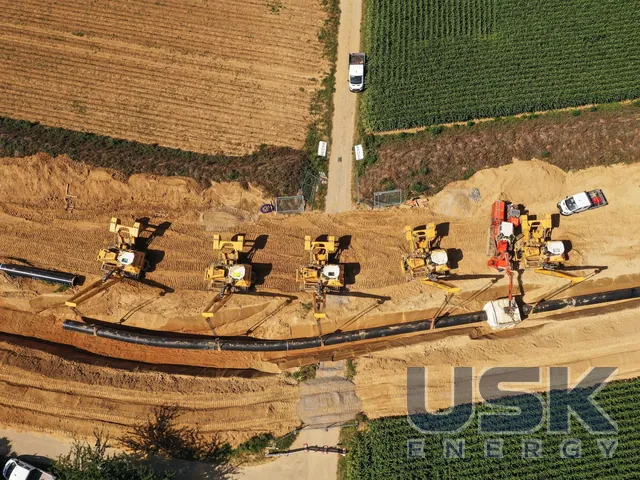
Carbon capture and storage (CCS) pipes are intended for pipelines that transport carbon dioxide in the so-called dense phase, that is, in a supercritical or liquid-like state at high pressure. The route runs from industrial sources to underground storage sites. CCS is especially needed by industries that are hard to decarbonise by other means, namely cement production and the chemical industry. The captured CO₂ is injected into saline aquifers onshore or depleted gas fields offshore.
High demands are placed on CO₂ pipelines. Dense-phase pressure, the risk of long-running fracture propagation, and corrosion in the presence of impurities and moisture call for carefully selected steel, geometry and inspection. The manufacturer has taken part in CCS research and pilot projects for more than ten years. The first pipes for European CCS pilot projects were delivered in 2024, and from 2025 the first large projects in Europe and North America are under way. The pipes are suitable for both onshore and offshore pipelines.
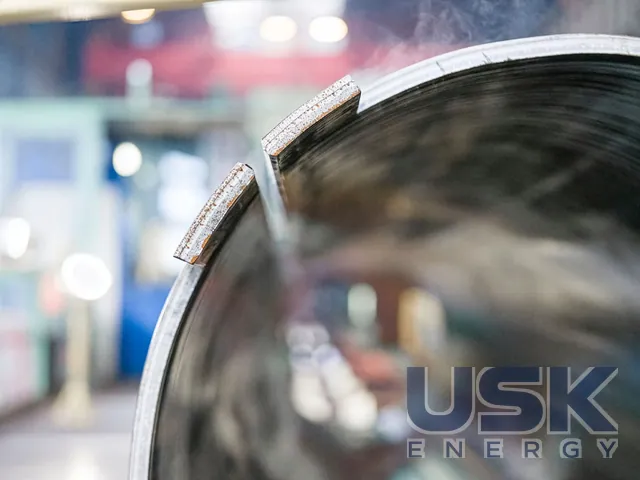
They are made within the general product range of the plant, outside diameter from 610 to 1524 mm, wall thickness up to 52 mm, length up to 18.3 m, to API 5L, DNV, EN, ISO and customer specifications. The Mülheim an der Ruhr plant works with the UOE process: edge crimping, forming in U- and O-presses, tack welding, internal and external seams by submerged arc welding, mechanical expansion, hydrostatic testing, sampling and destructive tests, final ultrasonic inspection of the weld, radiography (including film-free), acceptance and issue of certificates. The annual capacity of the plant is up to 1.4 million t. The certificate for line pipe with plain ends covers the SAWL type at PSL 1 and PSL 2 levels. Expansion and hydrostatic testing confirm the geometry and strength of every pipe.
The plate is supplied by the shareholders of the plant, and research is carried out together with a scientific institute. External and internal coatings are applied by a subsidiary. The management system is certified to API Spec Q1 and ISO 9001, and the company is a materials manufacturer under directive 2014/68/EU.
Technical specifications
| Purpose | transport of CO₂ in the dense phase to underground storage |
|---|---|
| Type | SAWL (UOE) |
| Outside diameter | 610 … 1524 mm |
| Wall thickness | up to 52 mm |
| Application | onshore (aquifers) and offshore (depleted gas fields) |
| Experience | first deliveries for EU pilot projects in 2024, large projects in Europe and North America from 2025 |
| Standards | API 5L, DNV, EN, ISO, customer requirements |
Request a price and lead time
CCS large-diameter pipes for dense-phase CO₂ pipelines (onshore and offshore). We reply within one business day.
Or email sales@usk.ua or call 044 339-50-20.
Questions and answers
What diameters and wall thicknesses are available for CCS pipes?
The outside diameter is from 610 to 1524 mm and the wall thickness up to 52 mm. Pipe length in the general product range of the plant reaches 18.3 m.
What process and standards are the pipes made to?
SAWL pipes are made by the UOE process with submerged arc welding, expansion and hydrostatic testing. They are made to API 5L, DNV, EN, ISO and customer specifications.
What CO₂ pipelines are these pipes suitable for?
For pipelines that carry CO₂ in the dense phase to underground storage, both onshore (saline aquifers) and offshore (depleted gas fields). The first deliveries for European pilot projects took place in 2024.
Similar equipment from other manufacturers