GFN (REFCL) active earth fault current compensation system for MV/HV networks
An active protection system against single-phase earth faults for MV and HV networks with resonant neutral earthing. An arc suppression reactor is combined with an inverter compensator that eliminates the fault current in 85 ms. It is used primarily on lines in fire-prone areas.
- Principle
- arc suppression reactor + inverter residual current compensator (RCC)
- Earth fault detection and localization
- at a fault resistance of 0–25 kΩ
- Current at the fault point during search
- ≤ 500 mA
- Earth fault current elimination time
- ≤ 85 ms (less than 60 ms per the brochure, three cycles)
Price, availability and lead time on request. We help with analogue selection, customs clearance and delivery.
Description
Ground Fault Neutralizer (GFN) is a proprietary active protection system against single-phase earth faults for medium and high voltage distribution and supply networks with resonant neutral earthing. It formed a separate class of protections, REFCL (Rapid Earth Fault Current Limiter), and is used primarily where an overhead line conductor falling to the ground or onto vegetation may cause a fire.
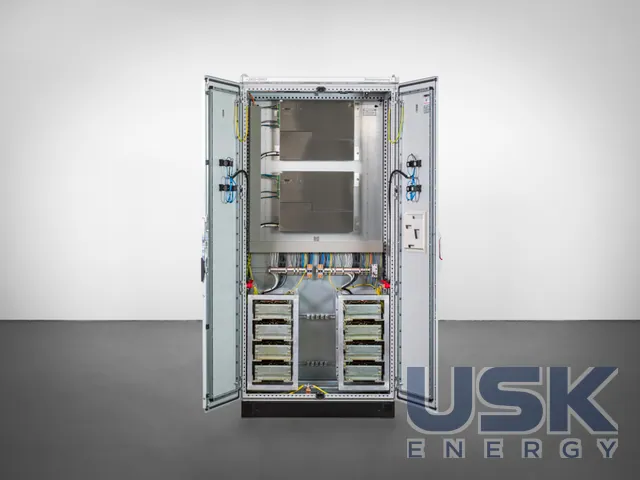
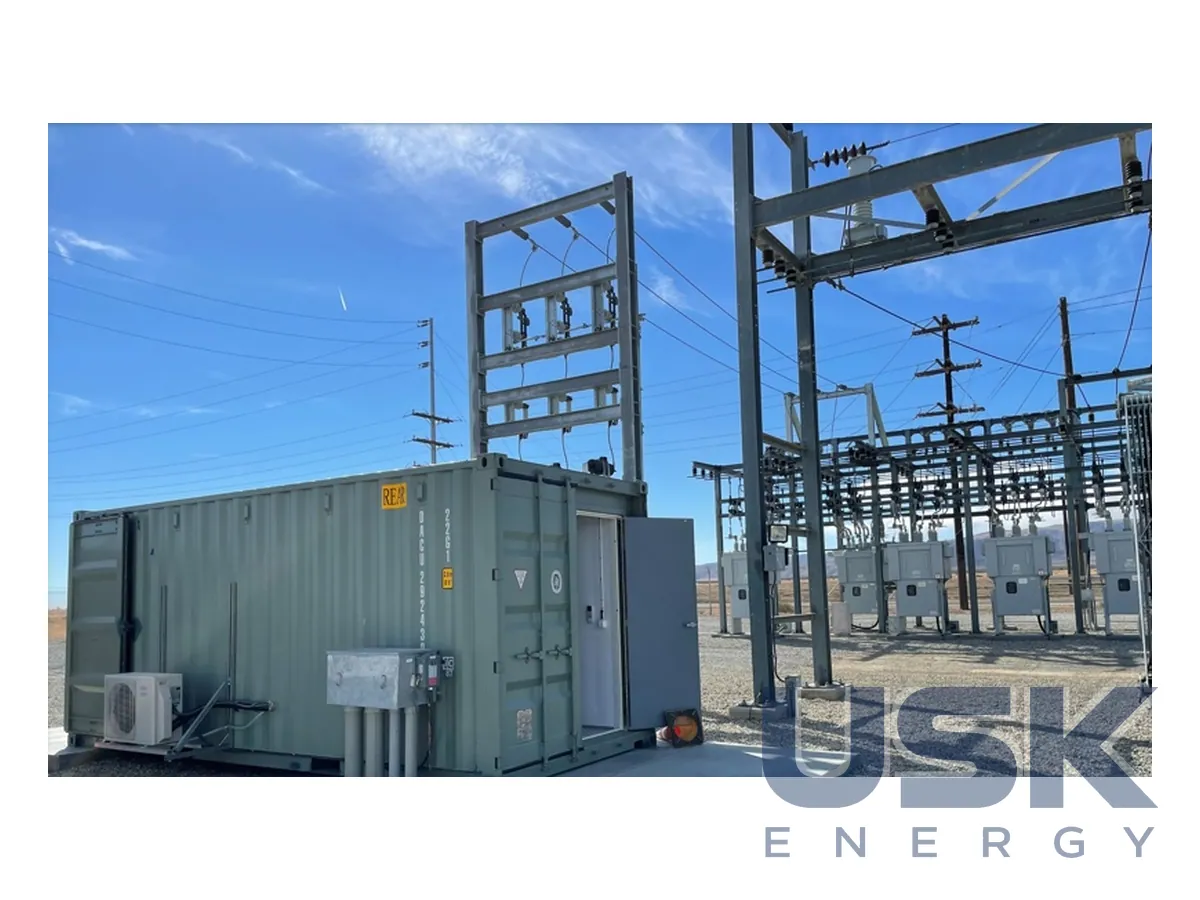
The operating principle is based on combining an arc suppression reactor (Petersen coil) with power electronics. The reactor compensates the capacitive component of the fault current, and the residual current compensator (RCC) injects a current of opposite phase into the neutral and suppresses the residual active and uncompensated part. The current at the fault point is reduced practically to zero faster than a circuit breaker can operate, and the consumers of the faulted feeder stay in service. The arc on the conductor has no time to ignite dry vegetation, because the current disappears before the feeder is tripped. The system is installed at the substation and connected to the neutral of a power or earthing transformer, so it protects the whole network from one point.
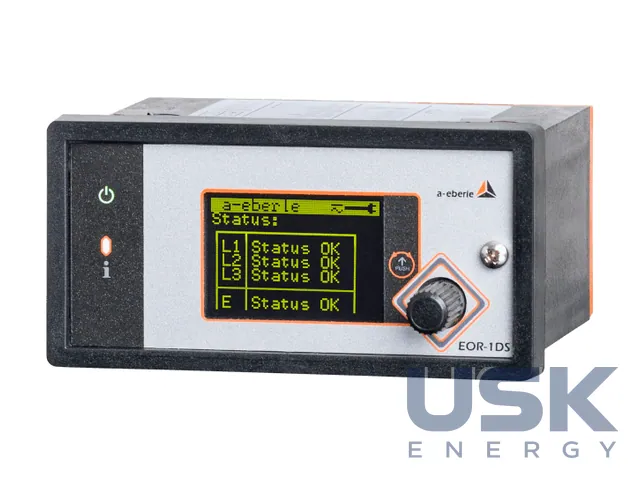
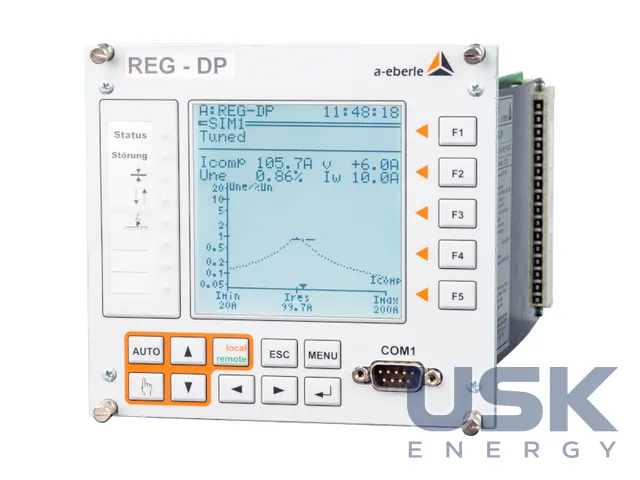
According to the manufacturer, GFN detects and localizes faults with a fault resistance of 0–25 kΩ, keeps the fault current at no more than 500 mA while searching for the fault location, and eliminates the earth fault current within 85 ms. In the manufacturer's brochure the total response time is stated as less than 60 ms (three cycles). For selective identification of the faulted feeder, the differential zero-sequence method (adaptive admittance) is used, developed at the Royal Institute of Technology in Stockholm. The system also controls the phase voltages relative to earth, which makes it possible to monitor partial discharges in cable networks.
The first system was commissioned in 1991 on the island of Gotland (Sweden), and more than 300 units are now in operation. GFN is recommended as the protection standard in fire-prone areas of Australia (the state of Victoria) and California. It is also used in industrial cable networks, where it is important to clear arcing cable faults without interrupting the supply. The manufacturer is ISO 9001 certified and trains the customer's personnel to operate the system.
Technical specifications
| Principle | arc suppression reactor + inverter residual current compensator (RCC) |
|---|---|
| Earth fault detection and localization | at a fault resistance of 0–25 kΩ |
| Current at the fault point during search | ≤ 500 mA |
| Earth fault current elimination time | ≤ 85 ms (less than 60 ms per the brochure, three cycles) |
| Connection | to the neutral of the substation power/earthing transformer |
| Protection class | REFCL (Rapid Earth Fault Current Limiter) |
| Application | networks with resonant neutral earthing, overhead and cable networks |
| Experience | 300+ systems in operation, the first in 1991, Gotland island |
Request a price and lead time
GFN (REFCL) active earth fault current compensation system for MV/HV networks. We reply within one business day.
Or email sales@usk.ua or call 044 339-50-20.
Questions and answers
In what time does GFN eliminate the earth fault current?
According to the manufacturer, within 85 ms. The brochure states the total response time as less than 60 ms (three cycles).
What fault resistance does the system detect?
A fault resistance of 0–25 kΩ. While searching for the fault location, the fault current is kept at no more than 500 mA.
Where is GFN connected?
To the neutral of the substation power or earthing transformer. The system protects the whole network from one point.
Similar equipment from other manufacturers