Thyristor static excitation system and digital AVR for generators
The manufacturer's thyristor static excitation systems work with medium and large synchronous generators, that is hydro generators and steam turbine generators. The first system was put into operation in 1968, and more than 500 systems have been delivered since. The supply includes a digital AVR for regulating generator voltage and reactive power.
- Type
- static self-excitation system with a three-phase thyristor bridge
- Rated current (typical versions)
- 1100–9462 A
- Peak voltage (typical versions)
- 460–1600 V
- Thyristor cooling
- forced air
Price, availability and lead time on request. We help with analogue selection, customs clearance and delivery.
Description
The automatic voltage regulator (AVR) controls generator voltage by directly regulating the rotor field current. Power is taken from the generator terminals through an excitation transformer in a self-excitation scheme. The transformer steps the voltage down to the required level, dry-type for small ratings and oil-filled for large ones. There is no rotating exciter, the regulator acts on the rotor current through a thyristor bridge, so the response to changes in network conditions is fast. The manufacturer stresses high speed of response, simple design and convenient maintenance.
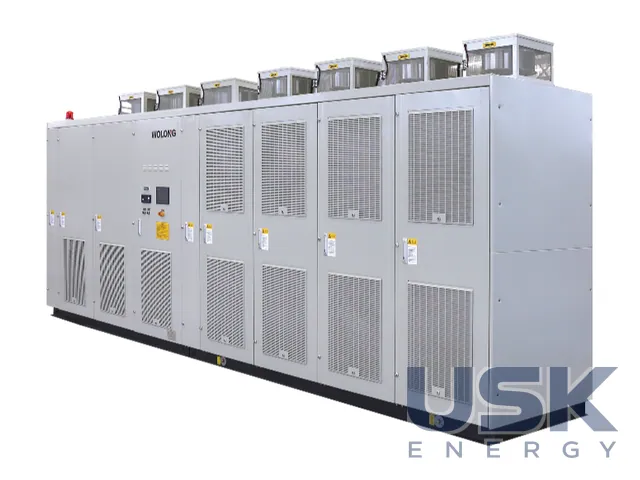
The basis of the system is a three-phase bridge thyristor rectifier with fast response. It is built on press-pack thyristors with high current and high reverse voltage, with forced air cooling, so the cabinet is compact. The thyristors sit in withdrawable cassettes and are replaced without stopping the generator. For economy a cassette-free version is also produced.
Since the system is self-excited, an initial excitation circuit is needed when the generator is started. It is usually supplied from a battery, and supply from an AC network through a rectifier and transformer is also possible. For instant de-excitation in an emergency, a field breaker is installed in the DC circuit. A cheaper alternative is contactless suppression, where control of the thyristor firing angle inverts the excitation voltage and quickly removes the field energy.
RC circuits and varistors in the AC and DC circuits protect the thyristors against overvoltage, and in powerful systems a crowbar is added to the DC circuit. An alarm reports blown thyristor fuses, fan failure and air overheating. Optionally a rotor temperature converter and a field winding earth fault detector are installed.
The parameters of the exciter are defined by the rated current and the peak voltage. Typical versions cover a rated current of 1100–9462 A and a peak voltage of 460–1600 V, for example 1100 A / 1000 V or 9462 A / 1600 V, in cabinets 2300–2600 mm high. The specific version is selected for the rated data of the generator field winding. The manufacturer's digital AVR is described in a separate catalogue. The excitation system is complemented by the SFMG generator circuit breaker and MELPRO-HA generator protection terminals, so the electrical part of a power unit can be obtained as a set from one supplier.
Technical specifications
| Type | static self-excitation system with a three-phase thyristor bridge |
|---|---|
| Rated current (typical versions) | 1100–9462 A |
| Peak voltage (typical versions) | 460–1600 V |
| Thyristor cooling | forced air |
| Field suppression | field breaker or contactless suppression by inversion |
| Excitation transformer | dry-type (small ratings) / oil-filled (large ratings) |
| Application | hydro and turbine generators of medium and large rating |
| Delivered | more than 500 systems since 1968 |
Request a price and lead time
Thyristor static excitation system and digital AVR for generators. We reply within one business day.
Or email sales@usk.ua or call 044 339-50-20.
Customs codes
| UKTZED (Ukraine) | 8504 40 82 00 9032 89 00 00 |
|---|---|
| HS, 6 digits | 8504 40 |
| CN (EU) | 8504 40 82 9032 89 00 |
| HTSUS (USA) | 8504 40 95 80 9032 89 00 00 |
| China customs tariff | 8504 40 99 99 9032 89 90 90 |
Codes are for reference: the final code is determined at declaration for the specific model.
Questions and answers
Which generators is the excitation system intended for?
For medium and large synchronous hydro generators and steam turbine generators. More than 500 systems have been delivered since 1968, when the first system was put into operation.
What currents and voltages do the typical versions have?
Rated current 1100–9462 A, peak voltage 460–1600 V. The cabinets are 2300–2600 mm high.
How is field suppression implemented?
A field breaker in the DC circuit is used, or contactless suppression by inverting the excitation voltage through control of the thyristor firing angle.
Similar equipment from other manufacturers