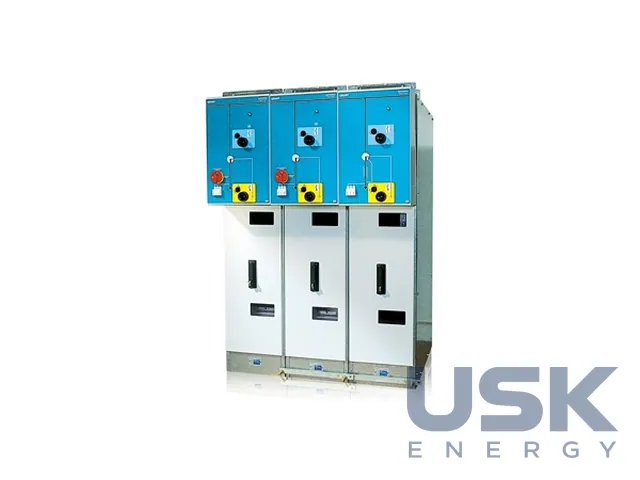
Switchgear for traction power supply: SIS, C-GIS, GIS, gas circuit breakers
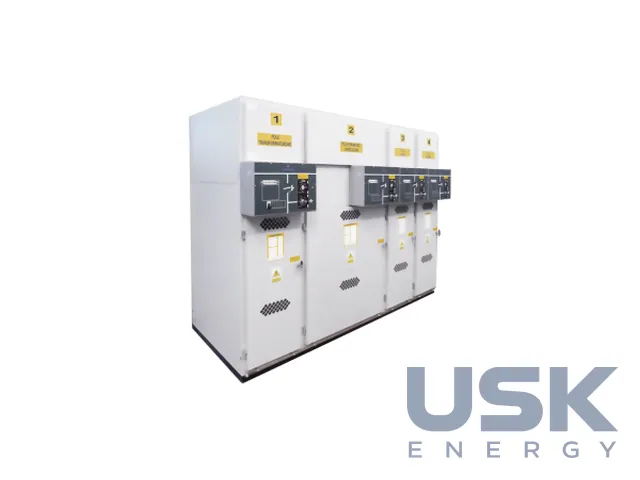
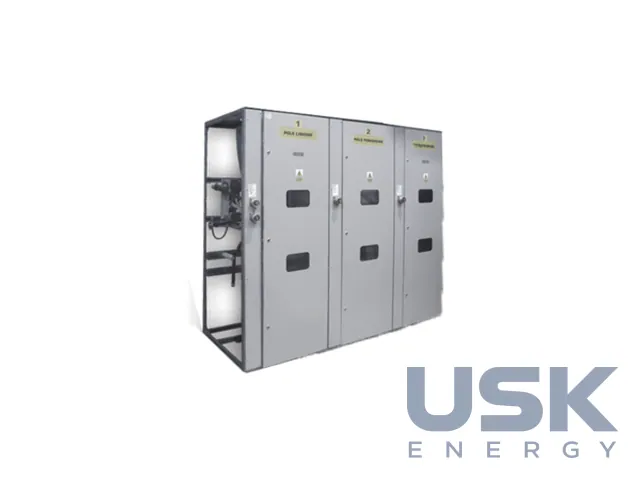
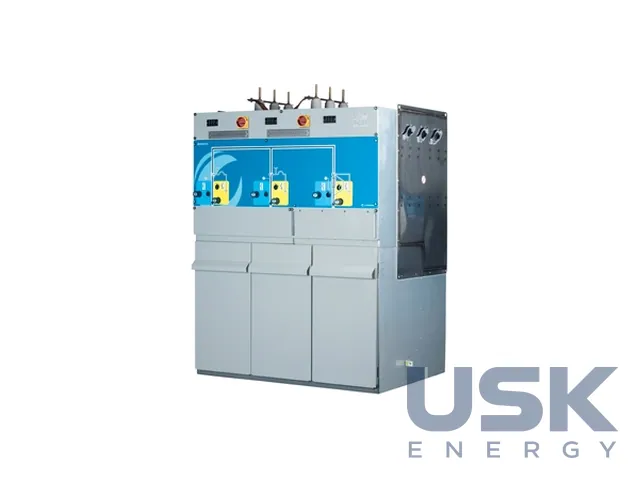
High- and medium-voltage switchgear for railway traction substations, namely SIS packaged switchgear with solid insulation, compact gas-insulated C-GIS cubicles, GIS and GCB gas circuit breakers. SIS is built for 24, 36 and 72 kV without SF₆. The equipment is installed in incoming and feeder switchgear of AC and DC traction substations.
- SIS (solid insulation)
- 24 / 36 / 72 kV, busbars 1,200 A, breaking 16 / 25 kA
- AC feeder breakers
- 36 / 72 kV
- GCB
- gas circuit breakers 72 kV and above (72.5–252 kV)
- GIS
- substation area reduced by up to 92 % compared with an open-air switchyard
Price, availability and lead time on request. We help with analogue selection, customs clearance and delivery.
Description
SIS is insulated with a high-strength epoxy resin developed by the manufacturer, which combines mechanical strength, flexibility, heat resistance and dielectric strength. Thanks to the solid insulation, SIS is more compact than air-insulated switchgear, contains no SF₆ and has a modular design, so maintenance and module replacement are simpler. For traction substations this means less room for the switchgear and no gas handling during operation.
The rated voltages of SIS are 24, 36 and 72 kV, the rated busbar current is 1,200 A, and the breaking current is 16 or 25 kA. In the 24/36 kV versions an electromagnetic operating mechanism is used. For feeders of the AC system a single-phase SIS is built, and AC feeder breakers and switches are rated for 36 and 72 kV. The range is supplemented by compact gas-insulated C-GIS cubicles.
Gas-insulated switchgear at the incoming point of a traction substation reduces the floor area by up to 92 % compared with an open-air switchyard with oil-filled transformers. Combined with a gas-insulated transformer (GIT), the result is a fully gas-insulated substation with no oil in the power equipment. GCB gas circuit breakers are built for 72 kV and above, in the range 72.5–252 kV, and are installed at the incoming points of traction substations from the high-voltage grid. The equipment is made to the JEC and IEC standards.
Typical sites are incoming and feeder switchgear of AC and DC traction substations, sectioning posts, and substations of high-speed main lines and metros. The compactness of SIS and GIS matters where little area is allocated for the substation. For selection, the voltage of the supply network and of the traction system, the substation scheme, and the load and short-circuit currents are needed.
Technical specifications
| SIS (solid insulation) | 24 / 36 / 72 kV, busbars 1,200 A, breaking 16 / 25 kA |
|---|---|
| AC feeder breakers | 36 / 72 kV |
| GCB | gas circuit breakers 72 kV and above (72.5–252 kV) |
| GIS | substation area reduced by up to 92 % compared with an open-air switchyard |
| SIS insulation | own epoxy resin, no SF₆ |
| Standards | JEC, IEC |
Request a price and lead time
Switchgear for traction power supply: SIS, C-GIS, GIS, gas circuit breakers. We reply within one business day.
Or email sales@usk.ua or call 044 339-50-20.
Questions and answers
What voltages is SIS built for?
Solid-insulated SIS is built for 24, 36 and 72 kV, with a busbar current of 1,200 A and a breaking current of 16 or 25 kA.
Is SF₆ used in SIS?
No, the insulation is made of high-strength epoxy resin, so SIS works without SF₆ and is more compact than air-insulated switchgear.
How much does GIS reduce the area of a traction substation?
Gas-insulated switchgear at the incoming point reduces the floor area by up to 92 % compared with an open-air switchyard with oil-filled transformers. Together with a GIT gas-insulated transformer, the result is a fully gas-insulated substation.
Similar equipment from other manufacturers