GIL 252–1100 kV gas-insulated transmission lines
Gas-insulated lines for 252, 550, 800 and 1100 kV transmit high power where an overhead line is impossible and a cable lacks capacity. The conductor is placed coaxially in an earthed metal enclosure filled with pressurised insulating gas. The lines operate in 220 to 1000 kV networks together with GIS and transformer bushings.
- Voltage classes
- 252, 550, 800, 1100 kV
- Section length
- up to 18 m (standard)
- Turning angles
- 90–179°
- Gas leakage
- up to 0.01% a year
Price, availability and lead time on request. We help with analogue selection, customs clearance and delivery.
Description
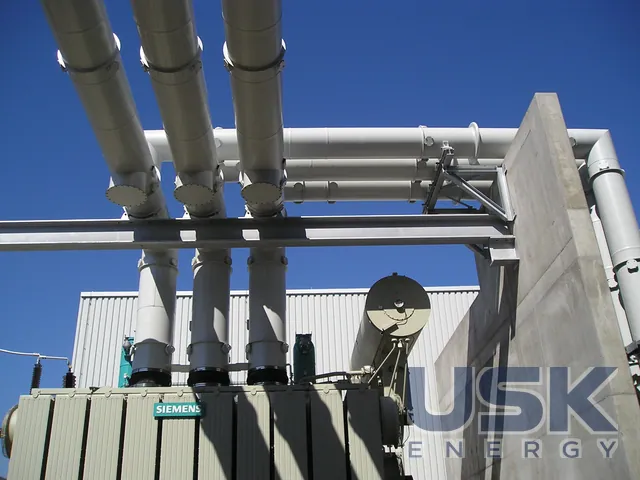
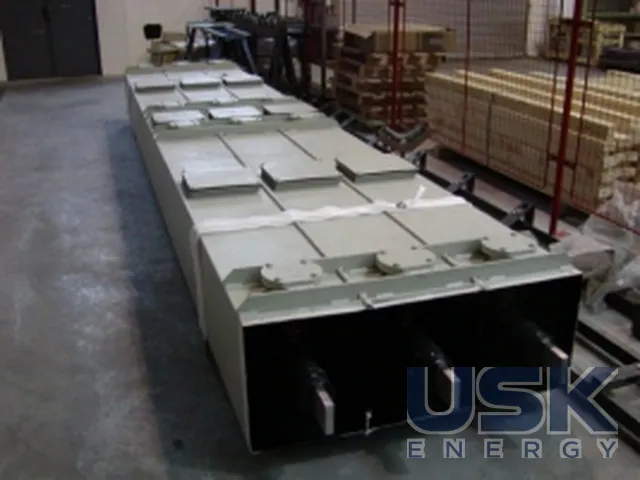
A typical GIL route runs from the underground machine hall of a hydropower, pumped storage, nuclear or thermal power plant up a vertical shaft to the surface. Such lines are laid underground in cities, in tunnels under rivers and sea straits, during substation extension and reconstruction, and on sections of extra-high-voltage networks. The line is laid in shafts and inclined shafts, tunnels, on trestles or directly in the ground. The insulating medium is compressed gas, and the installation conditions have almost no effect on line operation. GIL lines operate both in power system networks and at hydropower and thermal power plants.
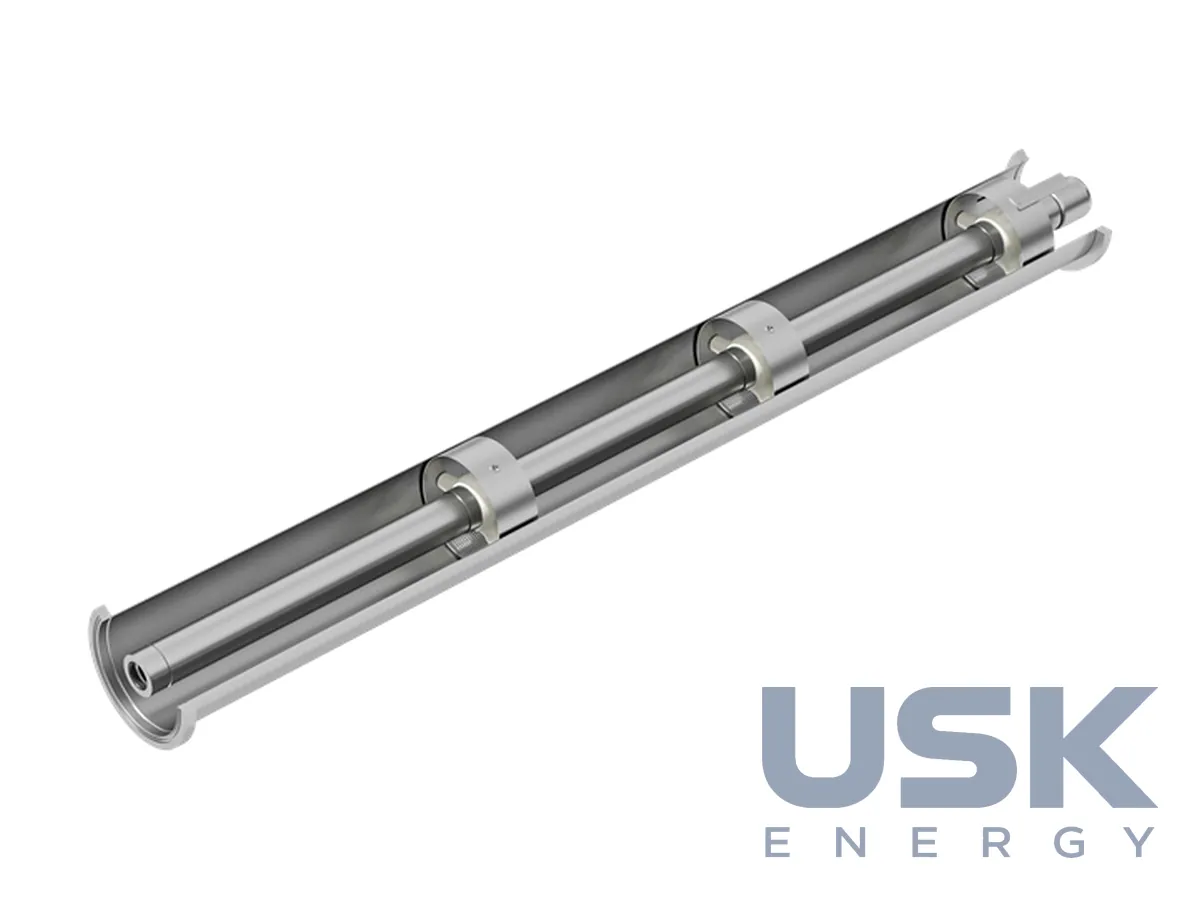
The conductor is held on fixed and sliding three-arm insulators, each with a particle trap. Conductor sections are joined by HM (High-Magnitude) contacts with high current capacity and long endurance, which also allow flexible turns of the route. The insulators are made to a special formulation that raises the dielectric strength of the insulation. The standard section is 18 m long, so there are fewer sealed flanges on the route, and annual gas leakage is reduced to 0.01%. The turning angle is adjustable from 90 to 179°, and the line can follow a complex route. The enclosure and conductor are coaxial, and the space between them is filled with pressurised insulating gas.
Compared with a cable, GIL has higher transfer capacity and a longer service life and does not burn. Losses are about 58% of the losses of a cable line, which matters at high-power outlets where a cable cannot provide the required capacity. The structure withstands uneven foundation settlement of up to 2 mm/m and has high seismic withstand, so the line is used in seismic regions and in severe operating conditions.
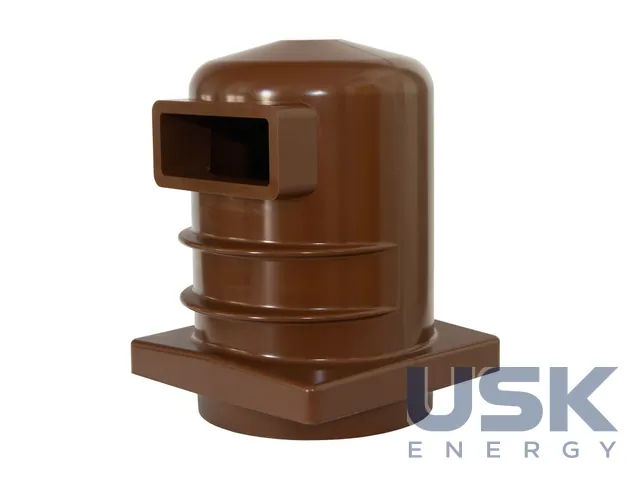
Service life reaches 60 years. According to the manufacturer, the earliest project with this technology has already been running for 53 years. Throughout its life the line needs no maintenance other than gas pressure monitoring, so life-cycle cost is low. At the ends the GIL connects to GIS and power transformer bushings. This is how power take-off nodes of hydro and nuclear power plants, high-capacity underground city lines and tunnel crossings under water obstacles are built.
Technical specifications
| Voltage classes | 252, 550, 800, 1100 kV |
|---|---|
| Section length | up to 18 m (standard) |
| Turning angles | 90–179° |
| Gas leakage | up to 0.01% a year |
| Losses | about 58% of a cable line |
| Permissible foundation settlement | 2 mm/m |
| Service life | up to 60 years |
| Laying | shafts, inclined shafts, tunnels, above ground, in the ground |
Request a price and lead time
GIL 252–1100 kV gas-insulated transmission lines. We reply within one business day.
Or email sales@usk.ua or call 044 339-50-20.
Customs codes
| UKTZED (Ukraine) | 8544 60 90 00 |
|---|---|
| HS, 6 digits | 8544 60 |
| CN (EU) | 8544 60 90 |
| HTSUS (USA) | 8544 60 60 00 |
| China customs tariff | 8544 60 90 00 |
Codes are for reference: the final code is determined at declaration for the specific model.
Questions and answers
For which voltage classes are GIL lines made?
The lines are made for 252, 550, 800 and 1100 kV and operate in networks from 220 to 1000 kV.
What losses does GIL have compared with a cable?
GIL losses are about 58% of the losses of a cable line. Transfer capacity is higher and there is no fire hazard.
How is a gas-insulated line laid?
GIL is laid in vertical and inclined shafts, tunnels, on trestles or directly in the ground. The turning angle of the route is adjustable from 90 to 179°, and the permissible foundation settlement is 2 mm/m.
Similar equipment from other manufacturers