CONNEX bushing / GIS bushings – plug-in RIP/RIS bushings and gas-filled GIS bushings, 72.5–550 kV
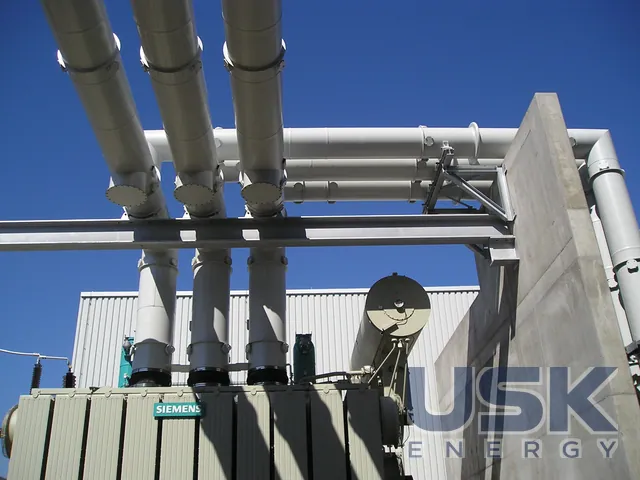
The manufacturer produces two types of bushings for high-voltage equipment rated 72.5–550 kV. The dry plug-in CONNEX bushing is installed on transformers and CONNEX joints. Gas-filled bushings with silicone or ceramic insulation lead GIS out to an open-air switchyard or an overhead line.
- Plug-in CONNEX bushing
- 72.5–245 kV (IEC), 138 / 161 kV (IEEE); 1250–2000 A
- Insulation of the plug-in bushing
- RIP / RIS, silicone sheds
- Creepage distance (plug-in)
- 2248–7595 mm
- Gas-filled GIS bushings, silicone
- 72.5–550 kV, 2500–5000 A
Price, availability and lead time on request. We help with analogue selection, customs clearance and delivery.
Description
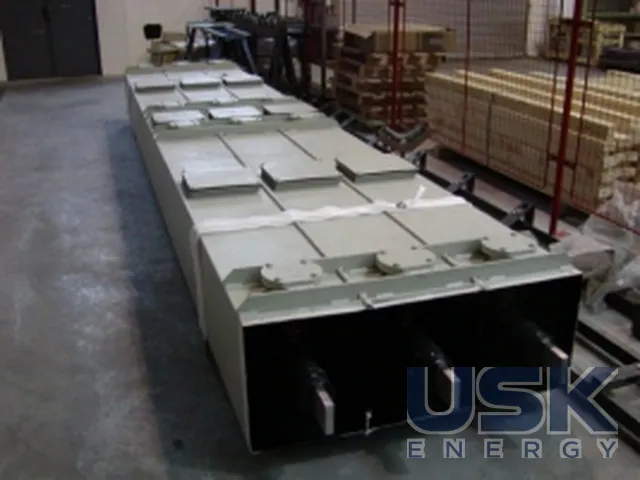
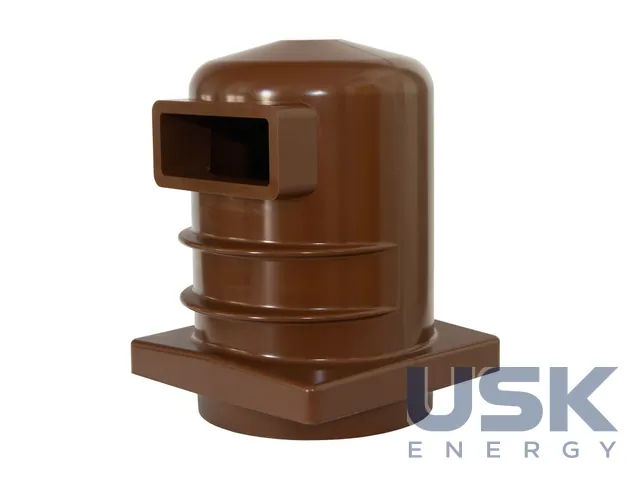
According to the manufacturer, the plug-in CONNEX bushing has been in the company's programme for more than 20 years. It connects transformers to bare conductors, is used with CONNEX angled joints for temporary arrangements, and can at any time later be replaced with a CONNEX cable connector. The bushing is inserted into a socket built into the transformer or joint. Filling, drying and vacuum treatment of oil on site are not needed. Installation and removal proceed without intervention in the interior of the equipment, so the transformer stays closed during factory tests, delivery, connection and commissioning.
The bushing can be inserted repeatedly, is maintenance-free and explosion-proof. Silicone sheds repel water and dirt, and the measuring tap is used to monitor tan δ and capacitance. Insulation is made with RIP technology, where paper is impregnated with resin, or RIS, where plastic fabric is wound between capacitive layers. The main insulating material in both cases is epoxy resin. IEC versions cover 72.5–245 kV at currents of 1250–2000 A, and IEEE versions 138 and 161 kV. Creepage distance is from 2248 to 7595 mm, weight from 48 to 166 kg.
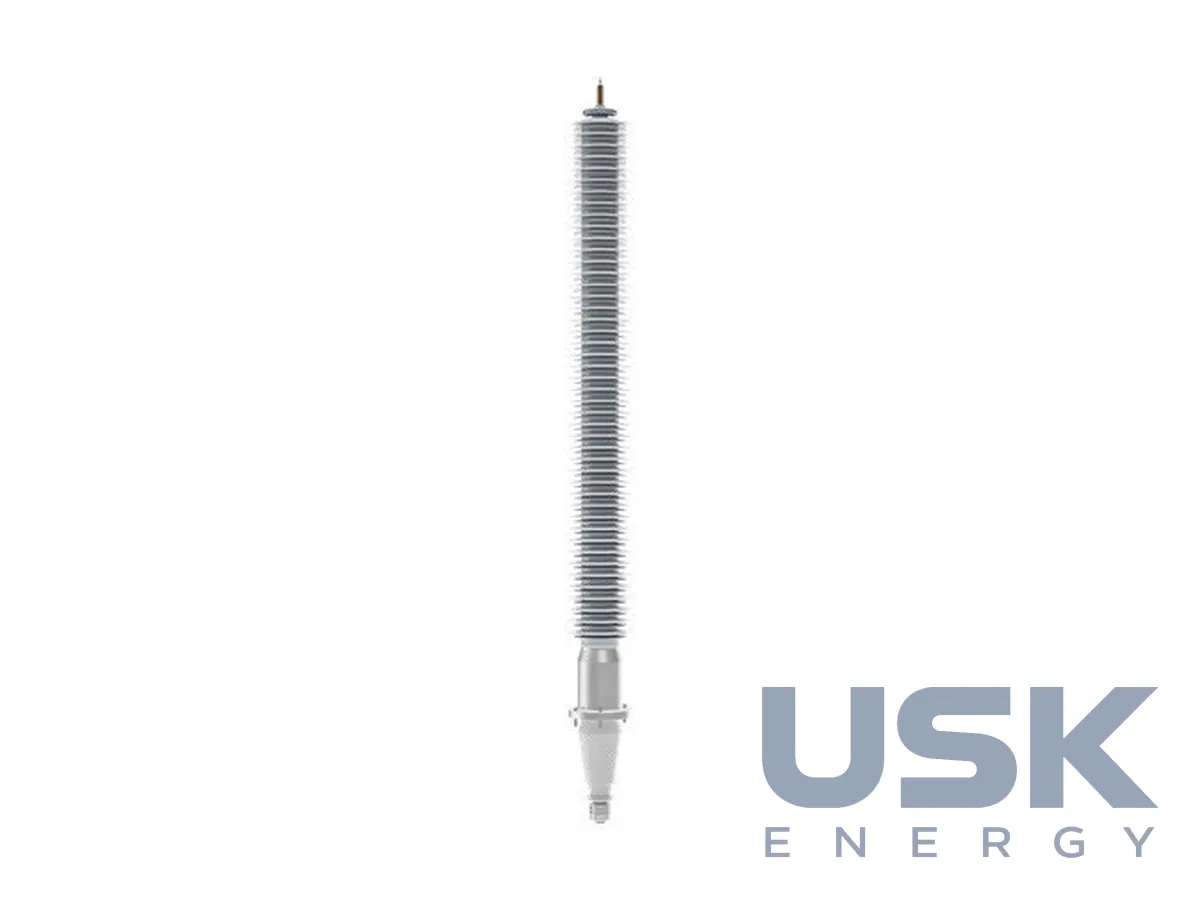
Gas-filled bushings for GIS are manufactured and tested individually to IEC 60137 and customer requirements, with silicone or ceramic insulation. Silicone bushings are lighter and withstand shock loads. The hydrophobic surface prevents formation of a water film and leakage currents, and the compact design needs less insulating gas. These bushings are made for 72.5–550 kV and 2500–5000 A with a short-time current of 36–100 kA for 3 s, lightning impulse from 325 to 1800 kV.
Ceramic bushings for 72.5–550 kV and 2500–4000 A have higher mechanical strength, resistance to partial discharges and durability, with a short-time current of 50–80 kA for 3 s. At disposal, ceramic is not regarded as hazardous waste. The operating temperature range is from −40 to +40 °C, and the silicone bushing for 145 kV works from −50 °C.
Technical specifications
| Plug-in CONNEX bushing | 72.5–245 kV (IEC), 138 / 161 kV (IEEE); 1250–2000 A |
|---|---|
| Insulation of the plug-in bushing | RIP / RIS, silicone sheds |
| Creepage distance (plug-in) | 2248–7595 mm |
| Gas-filled GIS bushings, silicone | 72.5–550 kV, 2500–5000 A |
| Gas-filled GIS bushings, ceramic | 72.5–550 kV, 2500–4000 A |
| Short-time current 3 s | 36–100 kA (silicone); 50–80 kA (ceramic) |
| Lightning impulse (BIL) | 325–1800 kV |
| Temperature | −40 / −50…+40 °C |
| Standard | IEC 60137 |
Replacement for
no direct analogue; the closest are ГКТ (RIP) bushings and 110–220 kV cable terminations
selected by purpose and main parameters, please confirm with our manager
Request a price and lead time
CONNEX bushing / GIS bushings – plug-in RIP/RIS bushings and gas-filled GIS bushings, 72.5–550 kV. We reply within one business day.
Or email sales@usk.ua or call 044 339-50-20.
Customs codes
| UKTZED (Ukraine) | 8535 90 00 00 |
|---|---|
| HS, 6 digits | 8535 90 |
| CN (EU) | 8535 90 00 |
| HTSUS (USA) | 8535 90 80 60 |
| China customs tariff | 8535 90 00 90 |
Codes are for reference: the final code is determined at declaration for the specific model.
Questions and answers
What voltages is the plug-in CONNEX bushing made for?
IEC versions cover 72.5–245 kV at currents of 1250–2000 A, IEEE versions 138 and 161 kV. Insulation is RIP or RIS based on epoxy resin.
How does a silicone gas-filled GIS bushing differ from a ceramic one?
The silicone one is lighter, withstands shock loads and is rated for 2500–5000 A. The ceramic one, for 2500–4000 A, has higher mechanical strength and resistance to partial discharges.
At what temperature do GIS bushings work?
The operating range is from −40 to +40 °C. The silicone bushing for 145 kV works from −50 °C.
Similar equipment from other manufacturers