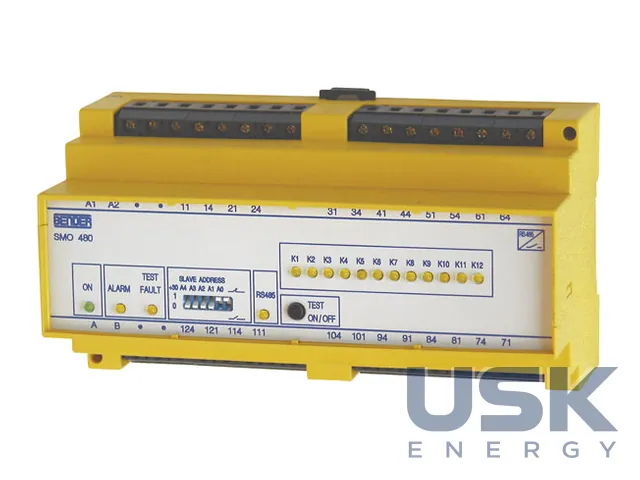
SMI473 signal converter, 12 digital inputs to BMS bus, RS-485
The SMI473 reads 12 potential-free contacts and sends their alarm and operating messages to the BMS bus over RS-485. A common alarm relay is included. Two versions cover different supply voltages.
- Supply voltage Us
- SMI473-12: DC 77…286 V/AC 85…265 V, 50…60 Hz; SMI473-1221: DC 12.5…80 V
- Power consumption
- ≤ 3 W
- Digital inputs
- 12 (IN1…IN12)
- Voltage at the contacts
- 5 V
Price, availability and lead time on request. We help with analogue selection, customs clearance and delivery.
Description
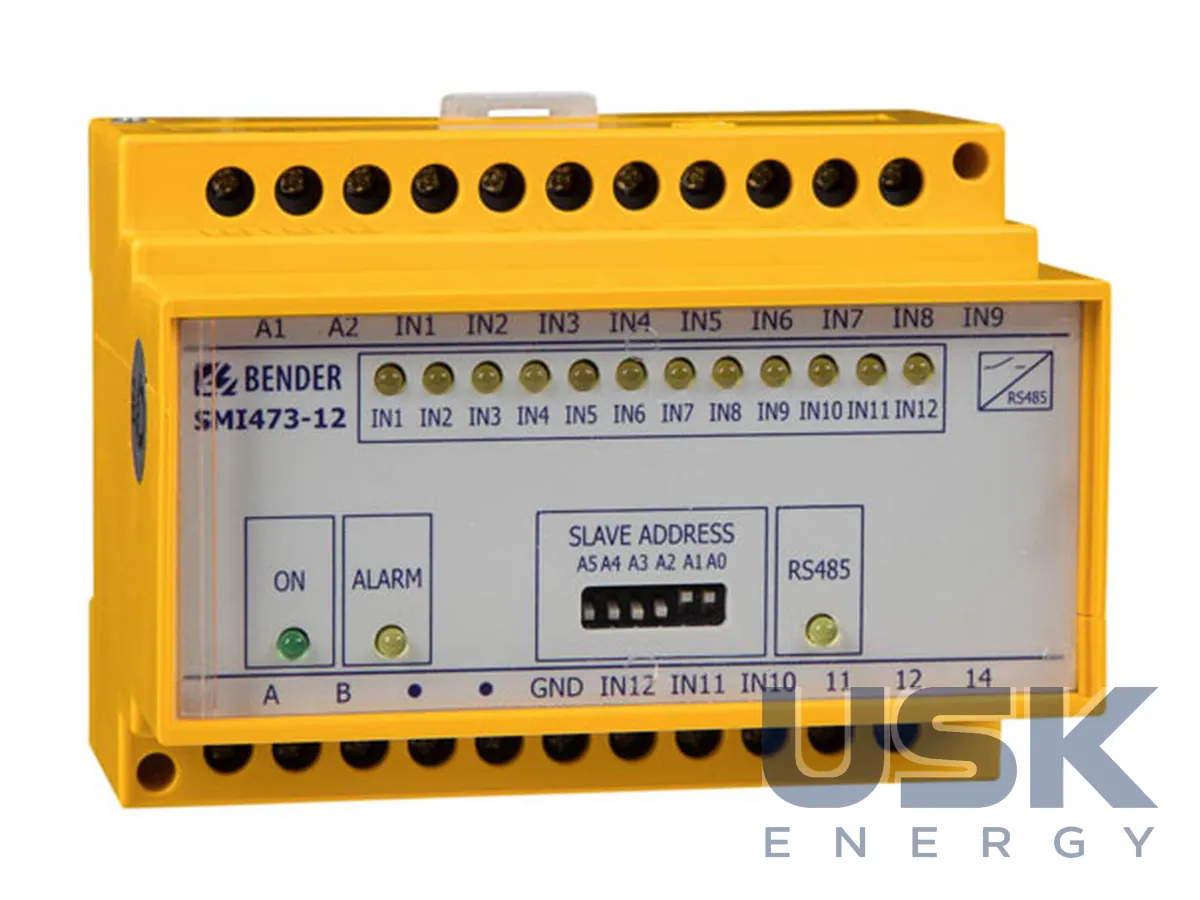
Twelve digital inputs, IN1 to IN12, accept potential-free contacts, typically the alarm relay contacts of monitoring devices. The inputs can be split into two groups, alarm messages and operating messages. At the factory inputs 1 to 4 are set as operating messages and inputs 5 to 12 as alarm messages.
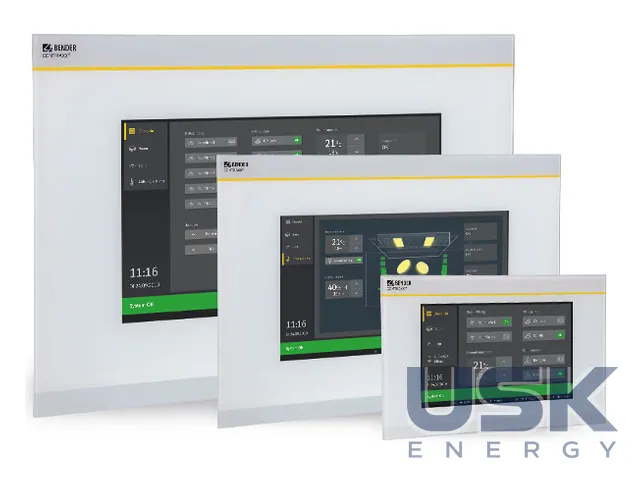
The SMI473 converts the input states into serial BMS bus messages and passes them over RS-485 to other devices in the system, for example MK2430/MK800 alarm indicator and test combinations, TM… indicator and operator panels, COM465xx gateways or CP9xx touch panels. A BMS bus master is required. The converter suits both internal and external BMS buses and adjusts itself to the baud rate in the range 9.6…57.6 kbit/s. MK2430/MK800 units, TM… panels and gateways can monitor the SMI473 for failure.
Each input has its own LED, and further LEDs show power, alarm and RS-485 activity. N/O or N/C operation of the inputs is set over the BMS bus. The address is set with a DIP switch in the range 3…63, with 3 as the factory value. One common alarm relay with a changeover contact passes on alarms, and its operating principle is selectable, N/O being the factory setting.
The SMI473-12 runs from DC 77…286 V or AC 85…265 V, 50…60 Hz, and the SMI473-1221 from DC 12.5…80 V. Power consumption is up to 3 W. The input contacts carry 5 V, and a 0.8 mm² cable of up to 30 m is recommended for them. The relay contact is rated AC 230 V/DC 220 V and AC 5 A/DC 0.2 A.
The enclosure suits DIN rail or screw mounting and weighs up to 320 g. Operating temperature is -10…+55 °C and the degree of protection is IP30/IP20. A 6 A fuse is recommended for the supply circuit.
Technical specifications
| Supply voltage Us | SMI473-12: DC 77…286 V/AC 85…265 V, 50…60 Hz; SMI473-1221: DC 12.5…80 V |
|---|---|
| Power consumption | ≤ 3 W |
| Digital inputs | 12 (IN1…IN12) |
| Voltage at the contacts | 5 V |
| Interface/protocol | RS-485/BMS |
| Baud rate | 9.6… 57.6 kbit/s |
| Cable length | ≤ 1200 m |
| Device address, BMS bus | 3…63 |
| Alarm relay | 1 changeover contact |
| Rated operational voltage Ue | AC 230 V/DC 220 V |
| Rated operational current Ie | AC 5 A/DC 0.2 A |
| Insulation | AC 250 V; 4 kV/3 |
| Operating temperature | -10 … +55 °C |
| Degree of protection | IP30/IP20 |
| Weight | ≤ 320 g |
Part numbers
Show all part numbers (2)
B92047023, B92047024
How it compares with similar models
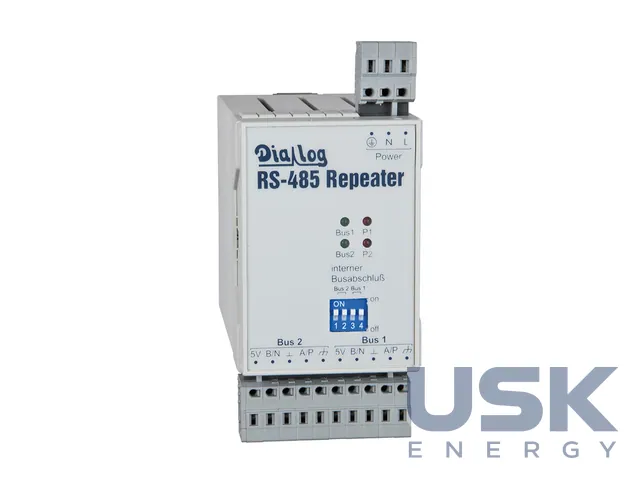
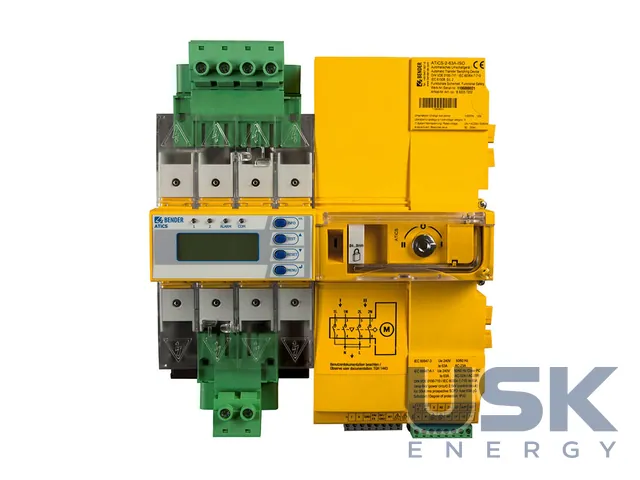
| Parameter | SMI473 signal converter, 12 digital inputs to BMS bus, RS-485 | SMO482-12 BMS bus signal converter with 12 relay outputs | DI-1DL RS-485 interface repeater for BMS bus and Modbus RTU | ATICS®-2-…-ISO automatic transfer switching device with IT system monitoring, 63 and 80 A |
|---|---|---|---|---|
| Supply voltage Us | SMI473-12: DC 77…286 V/AC 85…265 V, 50…60 Hz; SMI473-1221: DC 12.5…80 V | AC 230 V, 50…60 Hz | AC 85…260 V, 50…60 Hz | 230 V (50/60 Hz) |
| Power consumption | ≤ 3 W | ≤ 8 VA | 0.1 A/7 W | ≤ 16 W (63 A); ≤ 28 W (80 A) |
| Interface/protocol | RS-485/BMS | RS-485/BMS | 2 x RS-485/BMS | — |
| Baud rate | 9.6… 57.6 kbit/s | 9.6 kbit/s | dynamic | — |
| Operating temperature | -10 … +55 °C | -10…+55 °C | 0…+70 °C | -25…+55 °C |
| Degree of protection | IP30/IP20 | IP30/IP20 | — | IP40 |
Request a price and lead time
SMI473 signal converter, 12 digital inputs to BMS bus, RS-485. We reply within one business day.
Or email sales@usk.ua or call 044 339-50-20.
Questions and answers
What is the difference between the SMI473-12 and the SMI473-1221?
The supply voltage. The SMI473-12 takes DC 77…286 V/AC 85…265 V, 50…60 Hz, while the SMI473-1221 takes DC 12.5…80 V.
How are the inputs allocated at the factory?
Inputs 1 to 4 are operating messages and inputs 5 to 12 are alarm messages. The groups can be changed.
Is a BMS bus master needed?
Yes, a BMS bus master is required for operation. The device address is 3…63 and the factory value is 3.
Similar equipment from other manufacturers