Shunt reactors
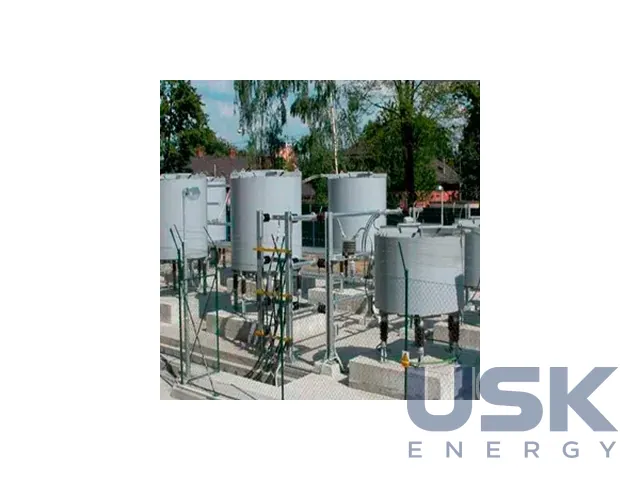
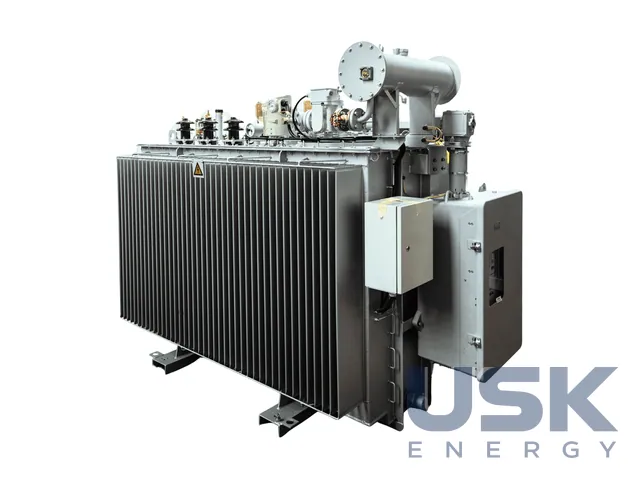
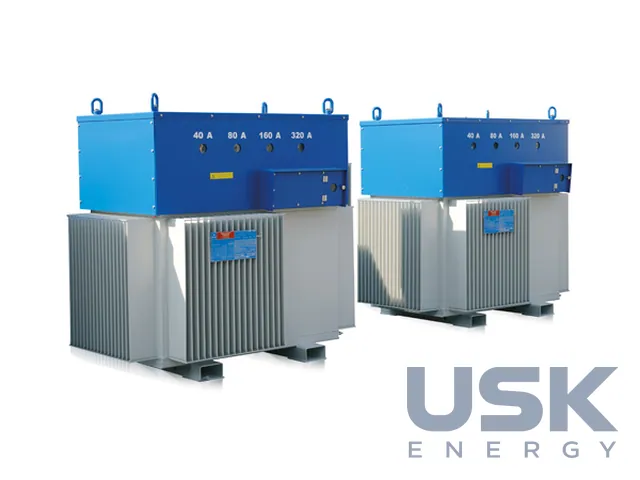
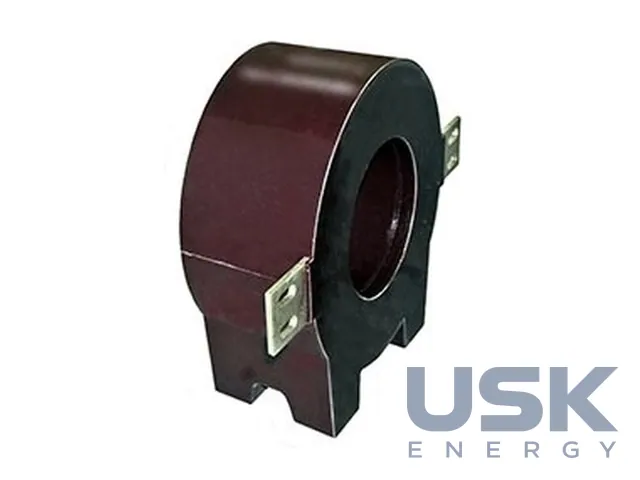
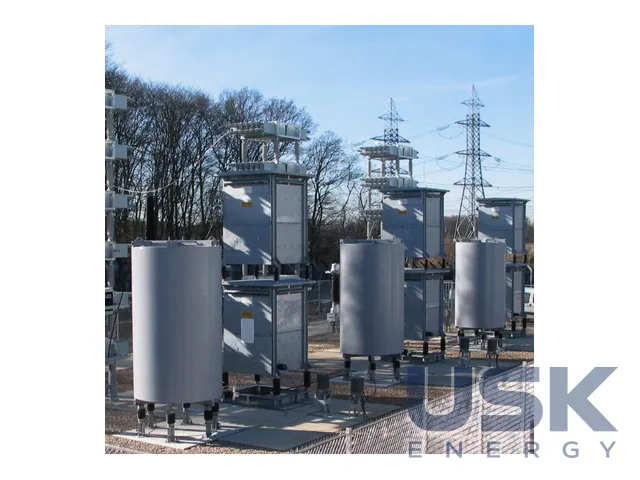
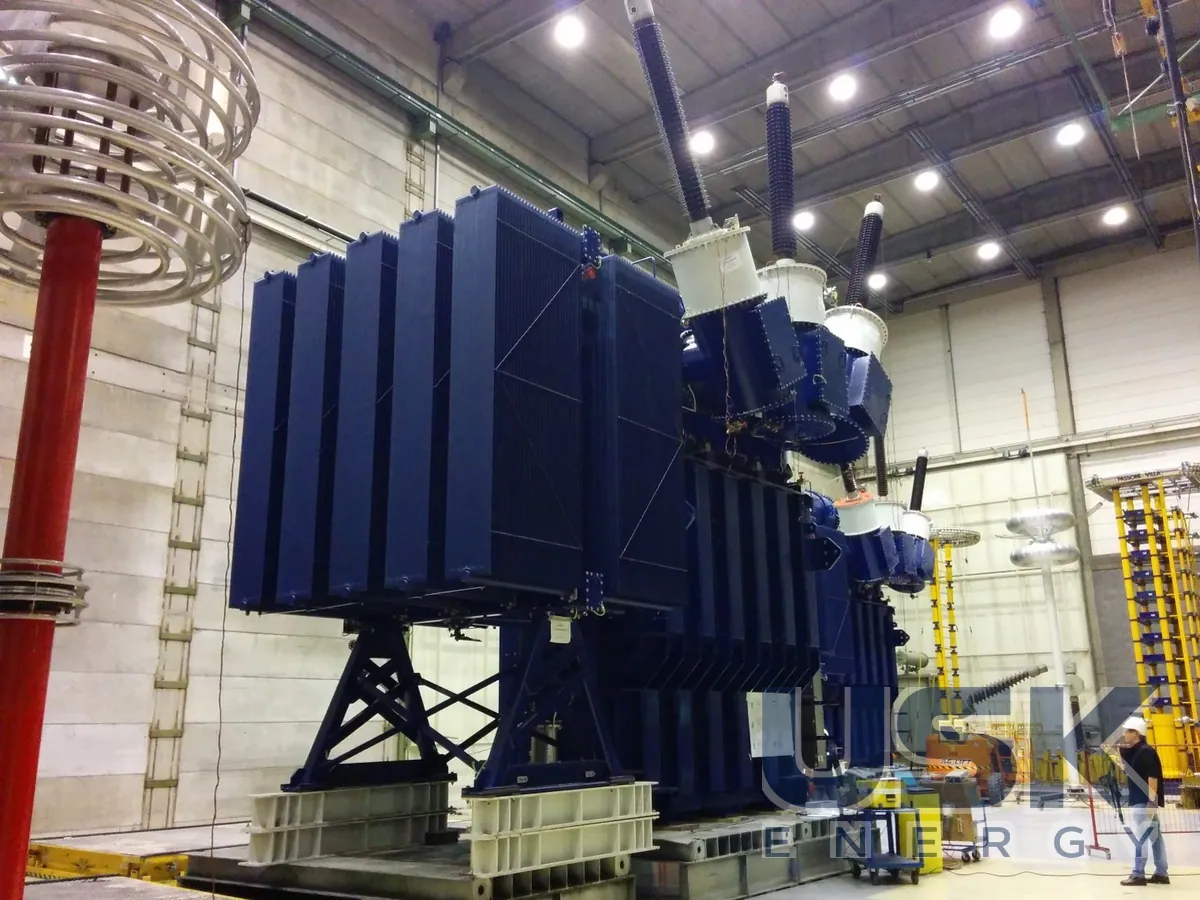
The manufacturer produces oil-filled shunt reactors for reactive power compensation in high-voltage networks. The reactors are built to IEC and ANSI standards.
- Insulation
- oil
- Standards
- IEC, ANSI
Price, availability and lead time on request. We help with analogue selection, customs clearance and delivery.
Description
A shunt reactor is connected to substation busbars or to a line and absorbs the excess reactive power generated by the capacitance of long overhead lines and cables at light load. This keeps the network voltage within permissible limits. The reactor insulation is oil, and in the manufacturer's range it stands alongside power transformers and autotransformers for HV networks.
Technical specifications
| Insulation | oil |
|---|---|
| Standards | IEC, ANSI |
Replacement for
РОДЦ-60000/500, РОДЦ-110000/750 (oil-filled shunt); controlled РТУ-25000/110, РТДУ-180000/500
selected by purpose and main parameters, please confirm with our manager
Request a price and lead time
Shunt reactors. We reply within one business day.
Or email sales@usk.ua or call 044 339-50-20.
Customs codes
| UKTZED (Ukraine) | 8504 50 00 90 |
|---|---|
| HS, 6 digits | 8504 50 |
| CN (EU) | 8504 50 00 |
| HTSUS (USA) | 8504 50 80 00 |
| China customs tariff | 8504 50 00 00 |
Codes are for reference: the final code is determined at declaration for the specific model.
Questions and answers
What is a shunt reactor used for?
For reactive power compensation and holding voltage in high-voltage networks.
What insulation do the reactors have?
The reactors are oil-filled, with liquid insulation.
To which standards are the reactors built?
The reactors are built to IEC and ANSI.
Similar equipment from other manufacturers