LBS, LB, RF and V — load break switches and disconnectors 3.6–36 kV
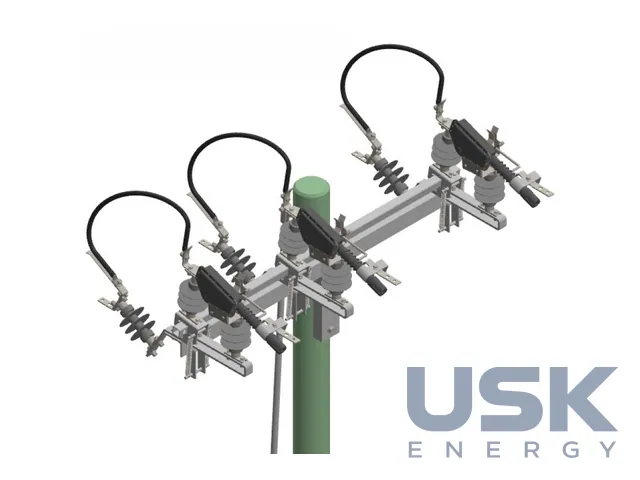
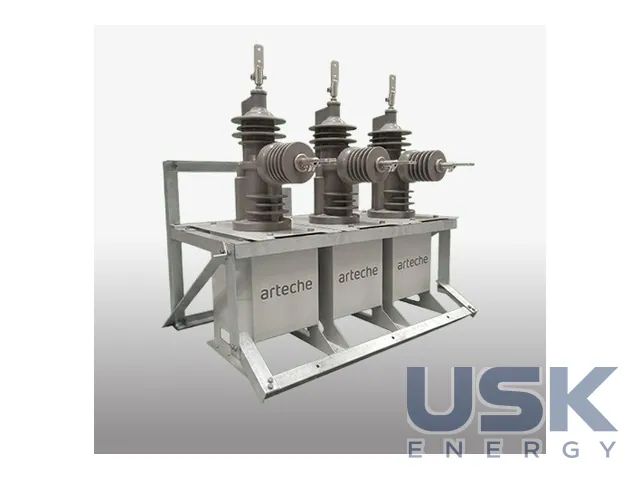
Air load break switches of series LBS, LB and RF and disconnectors of series V and RF are intended for 3.6–36 kV medium-voltage cubicles. The load break switches are rated for currents up to 1200 A, the disconnectors for 200–4000 A. The devices are recommended for switching power capacitors and transformers.
- LBS
- 3.6/7.2 kV, 200 A, 3 poles, with fuses and striker
- LB
- 3.6/7.2 kV up to 600 A; with fuses 200 and 400 A
- RF (load break switch)
- 12/24/36 kV up to 1200 A
- Disconnectors V and RF
- 7.2/12/24/36 kV, 200–4000 A
Price, availability and lead time on request. We help with analogue selection, customs clearance and delivery.
Description
The range of switching devices for medium-voltage cubicles consists of air load break switches LBS, LB and RF and disconnectors V and RF. The load break switches have their own arc-extinguishing system. The arc is drawn into a long narrow chamber with small gaps, where the gases are cooled and dispersed quickly. The contacts wear much more slowly than in oil-filled devices, and service life increases.
LBS is a load break switch for 3.6/7.2 kV and 200 A with built-in current-limiting fuses and a striker. As soon as any fuse blows, the striker trips all three poles at once, so single-phase operation is excluded. Load break switches without a striker can leave some of the phases energized. Since the automatic tripping mechanism is already built in, remote group operating mechanisms R290B and R293B are not fitted to the LBS.
LB is a compact modular load break switch for 3.6/7.2 kV up to 600 A. Versions with fuses are rated 200 and 400 A, and even in a 400 A device only fuses up to 200 A are fitted. A rotating arcing contact and a redesigned arc chute have improved switching capacity and safety. Fuse frames, a group operating mechanism and auxiliary contacts are added on site without adjustment.
RF is a load break switch for 12/24/36 kV up to 1200 A with a main blade and an auxiliary blade. The auxiliary blade sits in the arc chamber and closes at the same time as the main blade, and on opening it is held in the chamber for a moment and opens after the main blade, taking the arc on itself.
Using fuses instead of a circuit breaker with a trip unit lowers the cost of the cubicle. Options include an independent trip unit for 100 and 200 A devices, a blown-fuse indicator with a limit switch, 2 NO + 2 NC auxiliary contacts rated 15 A and a motor operating mechanism. Disconnectors V and RF are made for 7.2, 12, 24 and 36 kV and currents from 200 to 4000 A. They withstand large short-time currents, have a spring system of line (V) or ball (RF) contact without overheating, rod operation, and group or motor operation. By purpose, the series correspond to load break switches and disconnectors of 6–35 kV for KRU and KSO switchgear.
Technical specifications
| LBS | 3.6/7.2 kV, 200 A, 3 poles, with fuses and striker |
|---|---|
| LB | 3.6/7.2 kV up to 600 A; with fuses 200 and 400 A |
| RF (load break switch) | 12/24/36 kV up to 1200 A |
| Disconnectors V and RF | 7.2/12/24/36 kV, 200–4000 A |
| Arc extinction | gas cooling of the arc in a narrow chamber |
| Options | independent trip unit (100/200 A), fuse operation indicator, 2 NO + 2 NC 15 A auxiliary contacts, motor operating mechanism |
Request a price and lead time
LBS, LB, RF and V — load break switches and disconnectors 3.6–36 kV. We reply within one business day.
Or email sales@usk.ua or call 044 339-50-20.
Questions and answers
How does the LBS load break switch differ from the LB?
The LBS for 3.6/7.2 kV and 200 A has built-in current-limiting fuses and a striker that trips all three poles at once. The LB is rated for currents up to 600 A, works with or without fuses and is completed with modules on site.
What voltages and currents are disconnectors V and RF made for?
For 7.2, 12, 24 and 36 kV and rated currents from 200 to 4000 A. Operation is by rod, group or motor.
Which options can be ordered for the load break switches?
An independent trip unit for 100 and 200 A devices, a blown-fuse indicator with a limit switch, 2 NO + 2 NC auxiliary contacts rated 15 A and a motor operating mechanism.
Similar equipment from other manufacturers