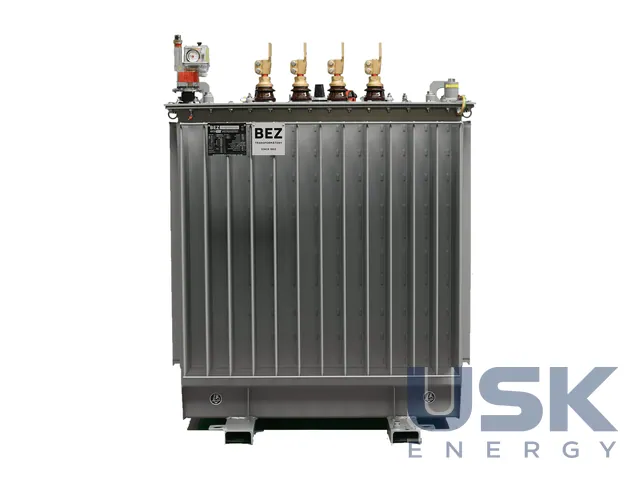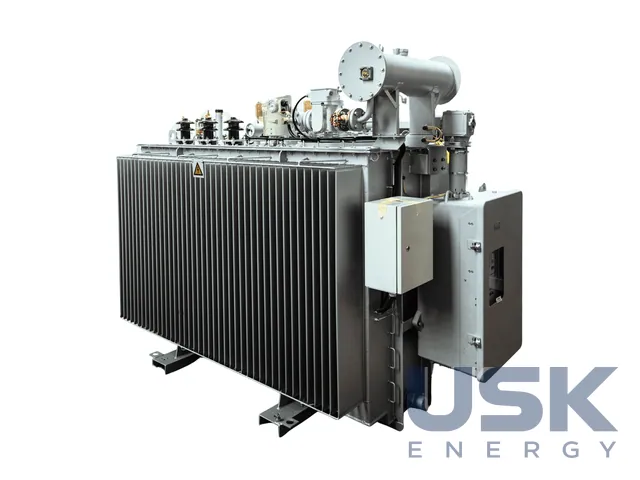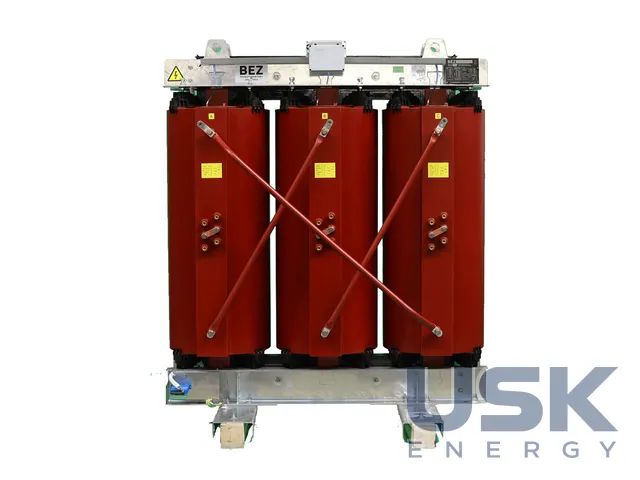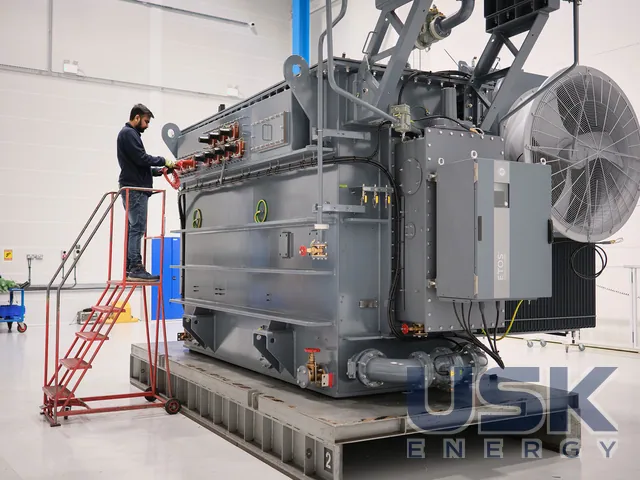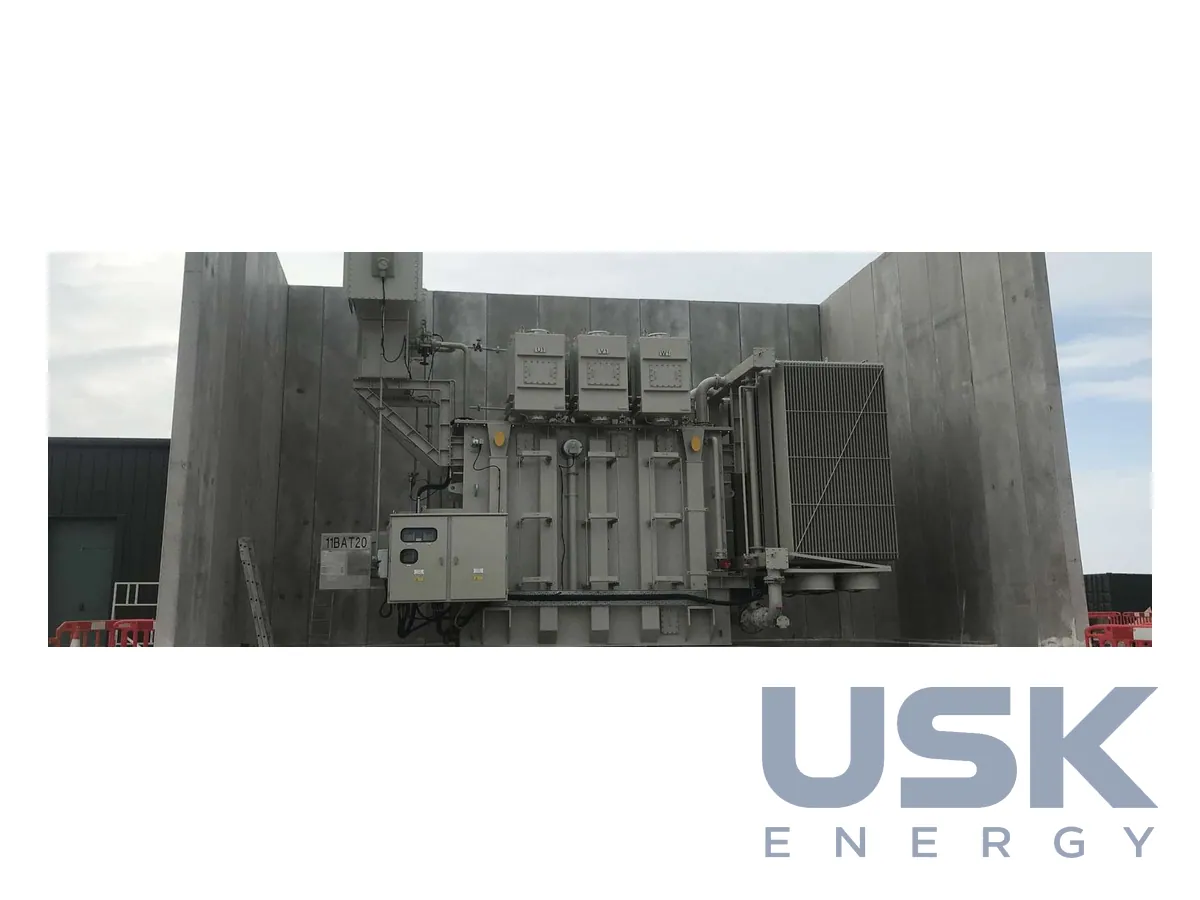
Oil-filled series current-limiting reactors up to 66 kV
Oil-filled series current-limiting reactors for voltage classes up to 66 kV limit the short-circuit current to values permissible for the installed circuit breakers and busbars. Copper or aluminium windings, air core with magnetic shielding. Connected into feeders, busbar sections and transformer circuits of 11–66 kV networks.
- Voltage class
- up to 66 kV
- Windings
- copper or aluminium
- Design
- liquid filling; air-core reactors with magnetic shielding
- Arrangement
- three phase coils stacked or horizontal
Price, availability and lead time on request. We help with analogue selection, customs clearance and delivery.
Description
Alongside special transformers, the company produces series current-limiting reactors in oil-filled form. A series reactor is connected into a feeder, busbar section or transformer circuit. Its inductive reactance limits the short-circuit current to a value permissible for the installed circuit breakers and busbars.
In practice this means that new generation can be connected and substation capacity can be increased without replacing switchgear with equipment of higher breaking capacity. The reactor also evens out load sharing between parallel circuits and contributes to the reactive power balance of the network. This is especially important where the short-circuit level already approaches the breaking capacity of the installed equipment.
The design has been proven by years of use. The voltage class reaches 66 kV, and windings are made of copper or aluminium. The reactors have an air core with magnetic shielding, and a liquid is used as the filling. The three phase coils can be stacked one above another or arranged horizontally, depending on the site layout. The reactors are designed to the same specifications as the company's transformers, namely ENATS, IEC, ANSI, Shell DEP, Aramco and Rail.
They are used in 11–66 kV distribution networks, in industrial networks with high short-circuit levels and when connecting generation. For such networks there is one main requirement: the short-circuit current must not exceed the capability of the existing equipment.
The company supplies special transformers and reactors in liquid-filled technology for a specific task, as a separate project, and has proven practice in doing so. For transformers, compliance with the EU EcoDesign 548 directive is declared for efficiency at Tier 2 level, with a voltage class up to 66 kV and a rating up to 100 MVA. The company's transformers are fully assembled and tested at the factory in Loughborough (United Kingdom). The test facility complies with IEC (BS EN) and ENA and performs routine and type tests of transformers up to 170 kV. These include impulse tests, temperature rise tests, SFRA, and measurement of partial discharge, losses and noise level.
Technical specifications
| Voltage class | up to 66 kV |
|---|---|
| Windings | copper or aluminium |
| Design | liquid filling; air-core reactors with magnetic shielding |
| Arrangement | three phase coils stacked or horizontal |
| Purpose | short-circuit current limitation, contribution to reactive power |
Replacement for
no serial analogue for oil-filled current-limiting reactors; dry-type РБ, РБА, РТСТ (6–35 kV)
selected by purpose and main parameters, please confirm with our manager
Request a price and lead time
Oil-filled series current-limiting reactors up to 66 kV. We reply within one business day.
Or email sales@usk.ua or call 044 339-50-20.
Questions and answers
Up to what voltage are the reactors built?
Voltage class up to 66 kV. They are used in 11–66 kV distribution networks and in industrial networks with high short-circuit levels.
Why is a series reactor needed in a feeder or on a busbar section?
It limits the short-circuit current to a value permissible for the installed circuit breakers and busbars. This makes it possible to connect new generation without replacing switchgear.
What windings and coil arrangements are possible?
Copper or aluminium windings, air core with magnetic shielding. The three phase coils are arranged one above another or horizontally, depending on the site.
Similar equipment from other manufacturers