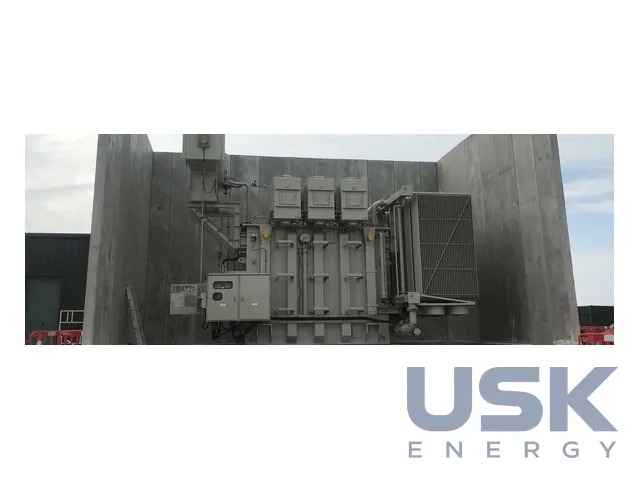
Shunt reactors for high-voltage grids
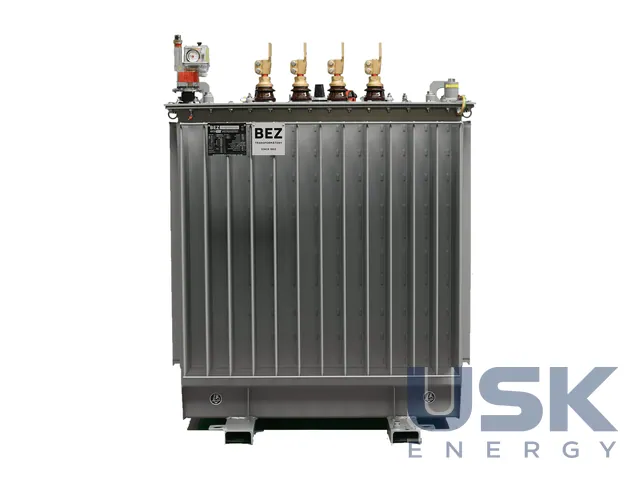
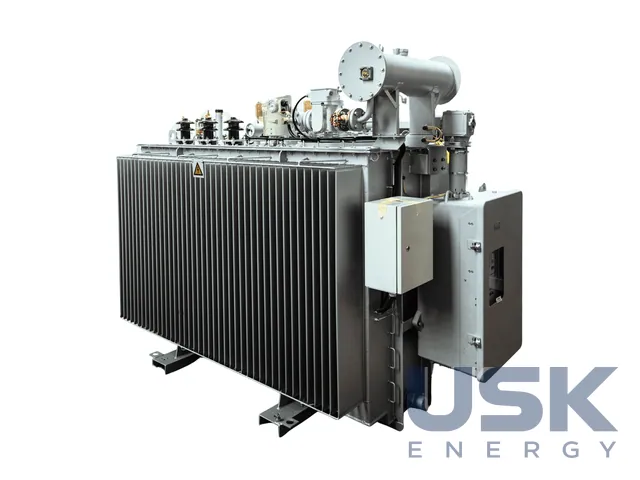
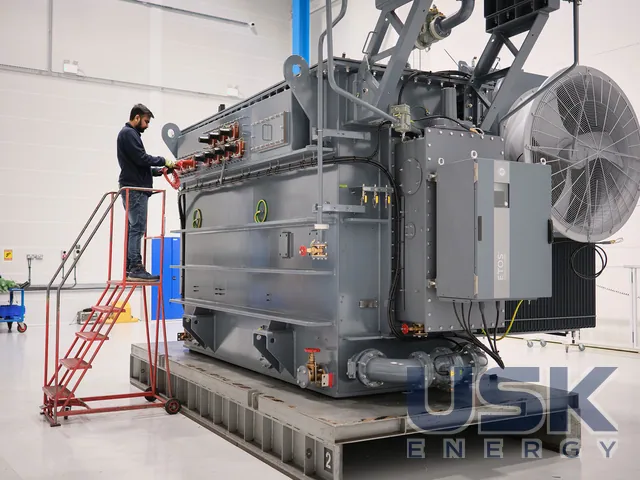
Shunt reactors are connected to substation busbars or to a line to absorb the excess capacitive reactive power of long high-voltage overhead and cable lines. The design is oil-filled, with mineral oil or ester liquid. They are used at trunk grid substations of 220–400 kV, cable sections and wind farm connection nodes.
- Purpose
- control of reactive power flows in transmission grids
- Design
- oil-filled, per technical specification
- Insulating liquid
- mineral oil or ester
Price, availability and lead time on request. We help with analogue selection, customs clearance and delivery.
Description
Shunt reactors are part of the manufacturer's transmission portfolio, together with grid transformers, autotransformers and phase shifting transformers. The reactor is connected to substation busbars or to a line, depending on the grid scheme and the operating conditions to be covered. It absorbs the excess capacitive reactive power of long high-voltage overhead and cable lines, especially at low load, keeps the voltage within permissible limits and eases the work of generators and compensating devices.
For long cable sections the need for such compensation grows, because cable capacitance is much greater than that of an overhead line. Like the manufacturer's transformers, the reactors are designed individually, by rating, rated voltage, connection scheme and cooling method, taking into account the customer's requirements for losses and noise level. The rated parameters of the series are not given on the website or in the brochure, so they are agreed for the project. For cable sections and offshore wind farm connections, where capacitive currents are especially large, the reactor rating is selected by calculation of the operating conditions. The design is oil-filled, per the technical specification. At minimum load hours the reactor absorbs the excess charging power of the line and lowers the risk of voltage rise at its end. The magnetic circuit and windings are selected so that losses and noise stay within the customer's requirements, and the tank and cooling system are designed for continuous energisation at grid voltage.
Designs with mineral oil or with ester liquids are possible for sites with increased fire and environmental safety requirements. The manufacturer's research programmes cover lower losses and noise, analysis of electromechanical loads, diagnostic systems and cooling hydrodynamics. Shunt reactors together with phase shifting transformers are used to control flows of active and reactive power.
The manufacturer carries out design, manufacture, installation and support of the equipment throughout its whole life cycle, including supervision of installation and testing on site. The products are made at Italian plants with a certified ISO 9001 management system. Applications are trunk grid substations of 220–400 kV, cable sections and interconnections, and connection nodes of offshore and onshore wind farms.
Technical specifications
| Purpose | control of reactive power flows in transmission grids |
|---|---|
| Design | oil-filled, per technical specification |
| Insulating liquid | mineral oil or ester |
Replacement for
РОДЦ-60000/500, РОДЦ-110000/750 (oil-filled shunt); controlled РТУ-25000/110, РТДУ-180000/500
selected by purpose and main parameters, please confirm with our manager
Request a price and lead time
Shunt reactors for high-voltage grids. We reply within one business day.
Or email sales@usk.ua or call 044 339-50-20.
Questions and answers
What function does a shunt reactor perform in the grid?
It absorbs the excess capacitive reactive power of long overhead and cable lines, especially at low load, and keeps the voltage within permissible limits.
For which voltage classes are these reactors used?
For trunk grid substations of 220–400 kV, cable sections, interconnections and connection nodes of offshore and onshore wind farms.
What reactor parameters and insulating liquid can be ordered?
The rating, rated voltage, connection scheme and cooling are agreed for the project. The insulating liquid may be mineral oil or ester for sites with increased fire safety requirements.
Similar equipment from other manufacturers