HV/MV and MV/MV transformers for distribution grids and industry
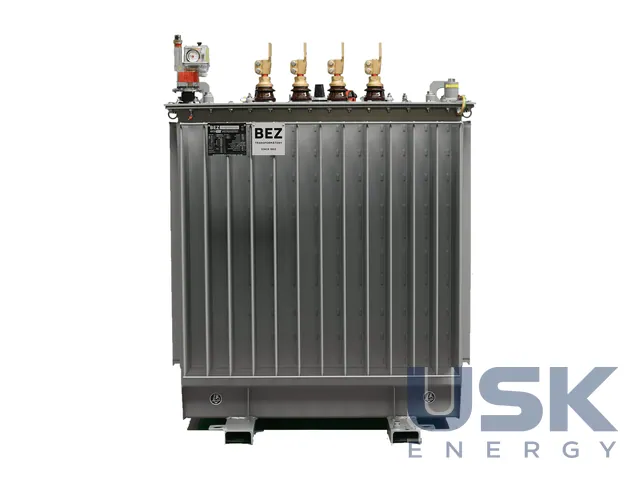
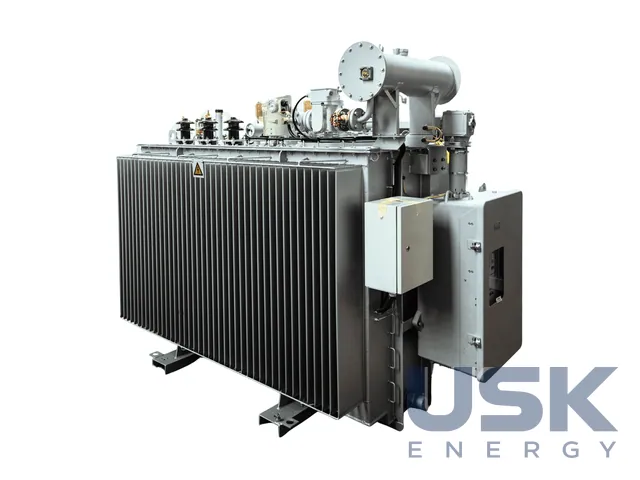
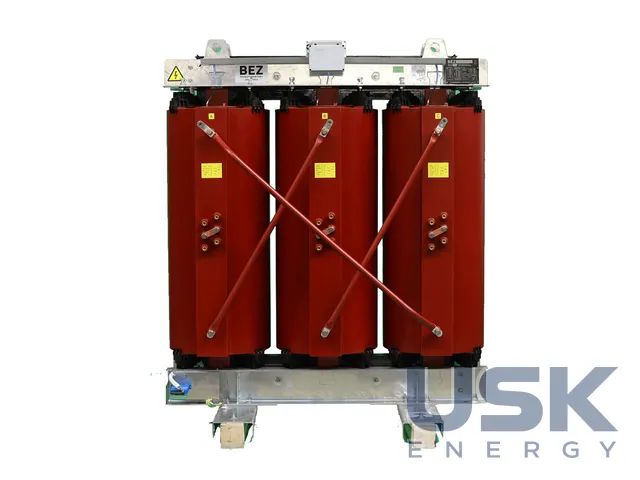
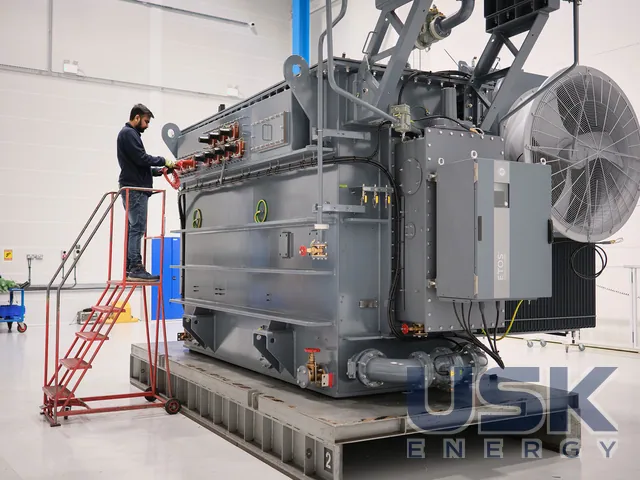
HV/MV and MV/MV distribution transformers link transmission, distribution and consumption systems operating at different voltages. A built example has 50 MVA, 220/22 kV, vector group Yyn0 and OFAF cooling. They are used at 110–220 kV distribution grid substations, in industrial main step-down substations and in mobile substations.
- Voltage classes
- HV/MV and MV/MV
- Example
- 50 MVA, 220/22 kV, Yyn0, OFAF
- Regulation
- OLTC/off-circuit tap changer per project
- Design
- stationary; for mobile substations
Price, availability and lead time on request. We help with analogue selection, customs clearance and delivery.
Description
HV/MV and MV/MV distribution transformers are needed wherever transmission, distribution and consumption systems operating at different voltages have to be linked and large amounts of active and reactive power have to be passed between them. An HV/MV transformer stands at the main substation and steps the voltage down from the transmission level to the level of the distribution grid, so requirements for short-circuit withstand and overload capability apply to it. The MV/MV variant is needed where two medium voltage levels have to be linked. The manufacturer designs and produces power transformers, PST, autotransformers and reactors for generation, transmission and distribution of electricity from conventional and renewable sources.
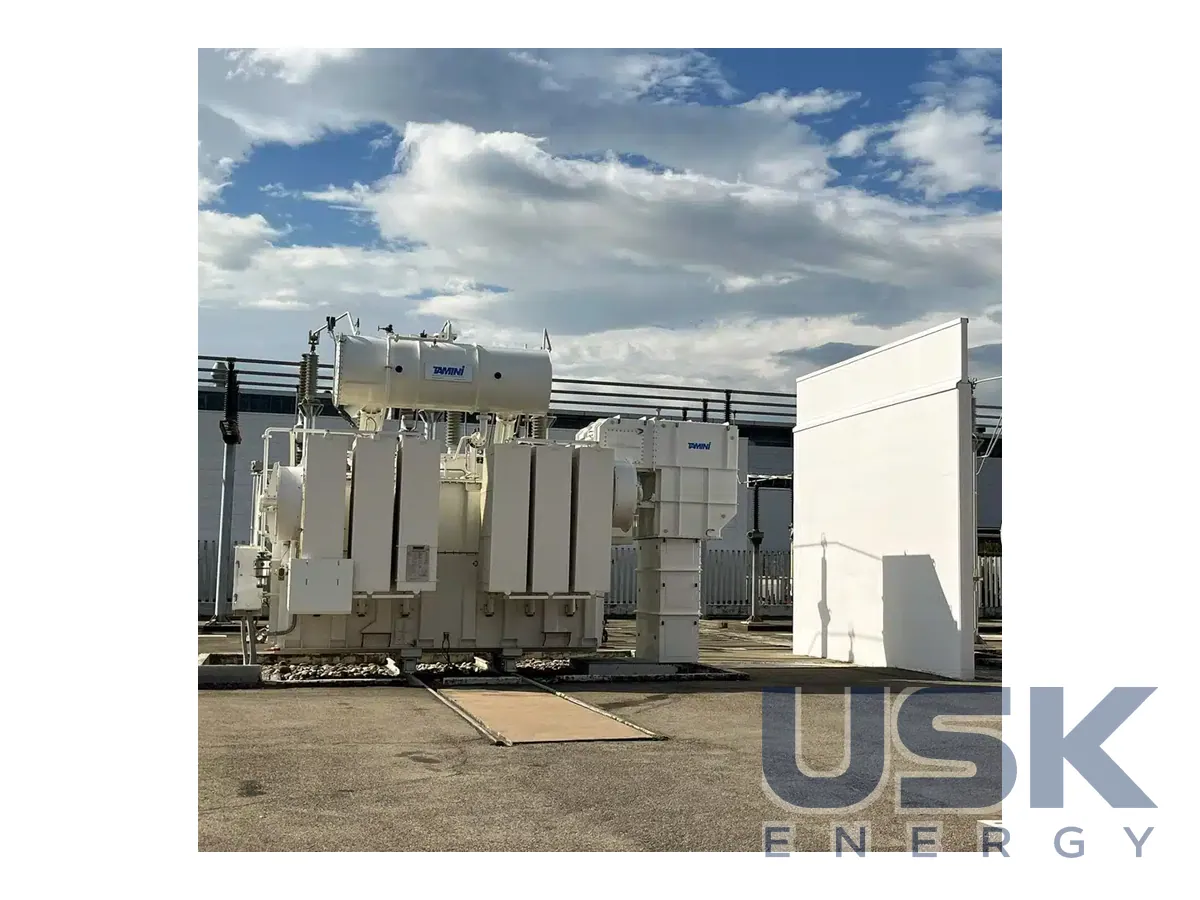
The transformers are made in two versions. The first is for grid companies (power applications), the second for industrial consumers (industrial applications), that is, energy-intensive enterprises that need their own main step-down substation. Such apparatus is also used in mobile substations, when a stationary substation cannot be built or it is impractical, and for temporary replacement during outages.
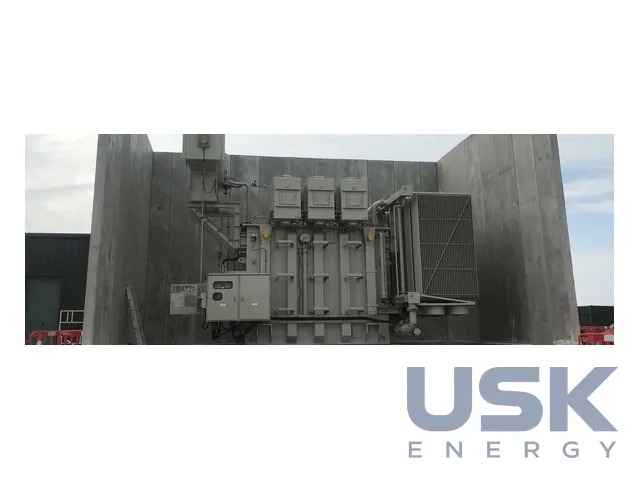
An example of real parameters is a steelworks transformer of 50 MVA, 220/22 kV, vector group Yyn0, OFAF cooling. For Acciaierie Venete, a complete refurbishment of such a unit was carried out, including the active part, OLTC, bushings and cooling system. The repair itself is a service and is not part of the item, but it shows the class of the equipment. Voltage regulation is by OLTC or off-circuit tap changer according to the project. The size, regulation scheme and cooling method are agreed by the manufacturer with the customer at the design stage, taking into account the load profile of the substation and the installation conditions. For industrial main step-down substations it is important that the transformer withstands shock loads from powerful consumers, for example furnaces and drives. The cooling system is selected depending on rating and site conditions, in particular OFAF with forced oil circulation and air blast.
The transformers are designed individually. Green versions with natural or synthetic ester are available to reduce the fire load, as well as ester retrofill of oil-filled transformers by the manufacturer's service team. Applications are 110–220 kV distribution grid substations, industrial main step-down substations, mobile substations and renewable connection.
Technical specifications
| Voltage classes | HV/MV and MV/MV |
|---|---|
| Example | 50 MVA, 220/22 kV, Yyn0, OFAF |
| Regulation | OLTC/off-circuit tap changer per project |
| Design | stationary; for mobile substations |
| Insulating liquid | mineral oil or ester |
Replacement for
ТРДН-40000/220, ТРДЦН-63000/220, ТДН-16000/110, ТРДН-40000/110, ТДНС-16000/35
selected by purpose and main parameters, please confirm with our manager
Request a price and lead time
HV/MV and MV/MV transformers for distribution grids and industry. We reply within one business day.
Or email sales@usk.ua or call 044 339-50-20.
Questions and answers
What parameters does the built HV/MV transformer have?
The example for a steelworks has 50 MVA, 220/22 kV, vector group Yyn0 and OFAF cooling.
Are there versions for mobile substations?
Yes, such transformers are used in mobile substations, where a stationary substation cannot be built or it is impractical, and for temporary replacement during outages.
Which grids and sites are these transformers suitable for?
For 110–220 kV distribution grid substations, industrial main step-down substations, mobile substations and renewable connection. Green versions with ester are possible.
Similar equipment from other manufacturers