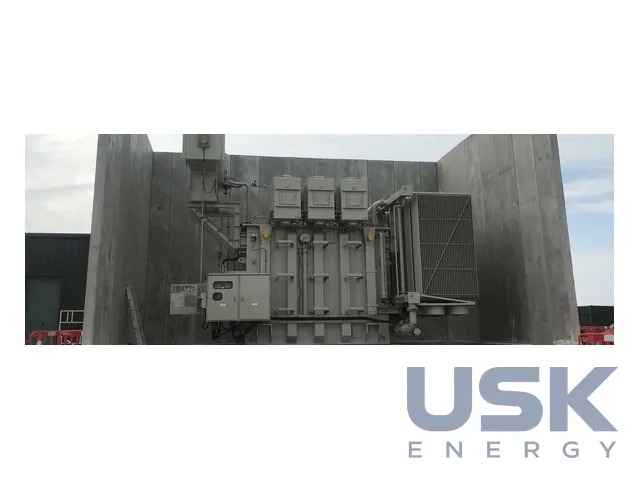
Earthing transformers
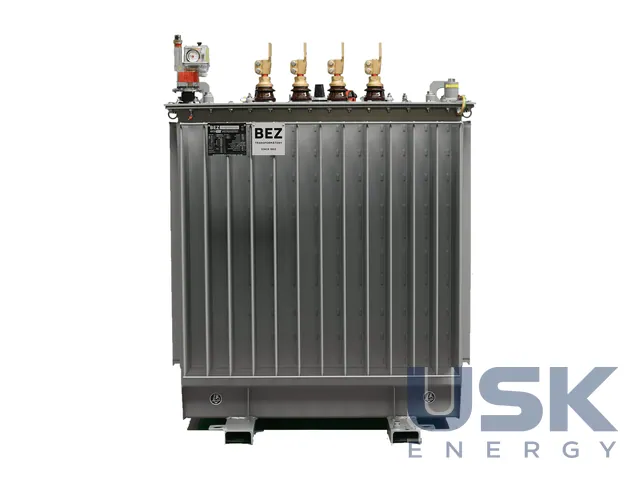
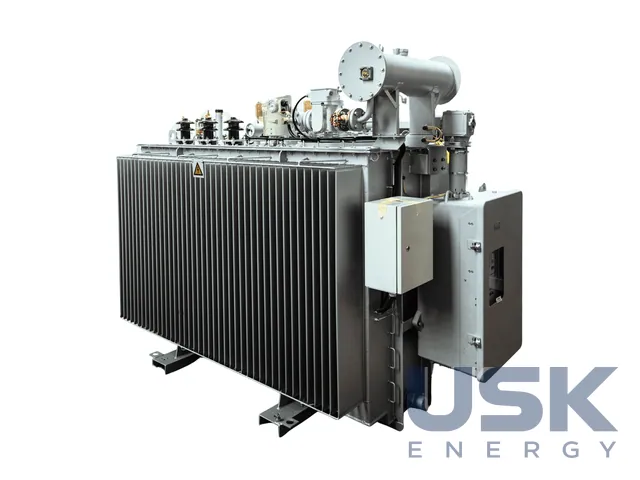
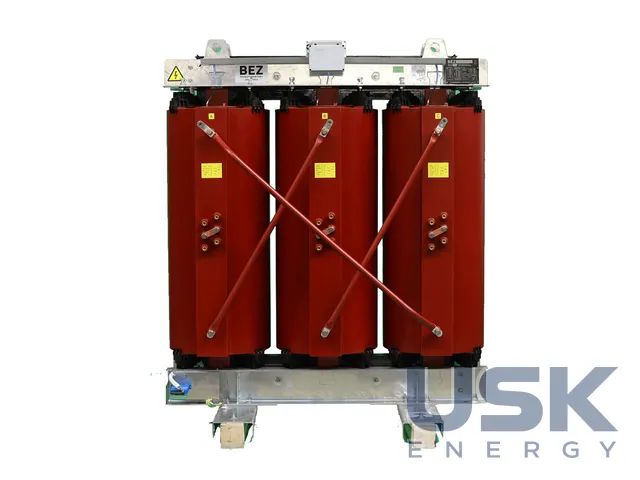
Earthing transformers create an artificial neutral in MV networks where the windings of the power transformers are delta-connected. They are made cast resin dry-type and oil, with zigzag-connected windings.
- Purpose
- creating a neutral for earthing MV networks
- Design
- dry-type (cast resin) and oil
Price, availability and lead time on request. We help with analogue selection, customs clearance and delivery.
Description
Earthing transformers serve to create an artificial neutral in medium-voltage networks. They are installed where the windings of power transformers are delta-connected or the neutral is not accessible. A resistor or an arc suppression reactor is connected to the neutral. This makes it possible to choose the network earthing mode, limit the current and overvoltages during single-phase earth faults and set up selective operation of protections.
The windings are usually zigzag-connected. In such a scheme the impedance of the transformer to zero-sequence currents is low, while in normal operation it hardly loads the network. If needed, a secondary winding is provided to supply the substation auxiliaries, and then one unit performs two functions.
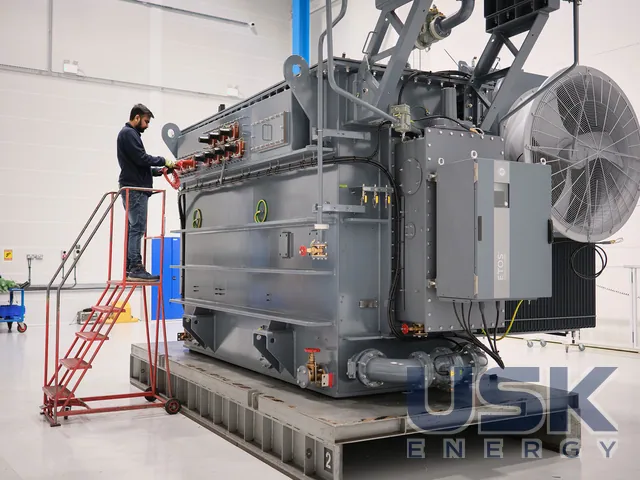
The design is cast resin dry-type or oil. The choice depends on the installation site, fire safety requirements and rating. Dry-type units suit enclosed substations well, and oil units suit open sites.
Such units are in demand at substations of wind and solar power plants, in industrial networks and at facilities with an isolated neutral. The manufacturer supplies transformers for PV and wind plants in many countries. Renewable generation networks often have cable wiring, where a significant capacitive current flows to earth, so an artificial neutral is especially useful for them. Special transformers are made to individual technical specifications at the same production sites as the standard cast resin and oil transformers. These are the plants in Montecchio Maggiore and Tezze di Arzignano in the province of Vicenza. Routine tests are carried out under the IEC 60076 series of standards. Specific parameters, namely rating, voltages, connection and cooling, are not published on the manufacturer's website and are determined on request.
An earthing transformer does not carry a significant working load, so it is designed primarily for the earth fault current and the time for which this current flows. The winding cross-section and the cooling method depend on this. The selection takes into account the network neutral mode, the type of resistor or reactor to be connected and the installation conditions at the substation. Installation comes down to connecting the three phases to the busbars and the neutral to the resistor or reactor.
Technical specifications
| Purpose | creating a neutral for earthing MV networks |
|---|---|
| Design | dry-type (cast resin) and oil |
Replacement for
ФМЗО, ТМПС (neutral-forming ZNyn 6–35 kV)
selected by purpose and main parameters, please confirm with our manager
Request a price and lead time
Earthing transformers. We reply within one business day.
Or email sales@usk.ua or call 044 339-50-20.
Questions and answers
What is an earthing transformer needed for?
It creates an artificial neutral in an MV network where the windings of the power transformers are delta-connected or the neutral is not accessible.
What is connected to the neutral of such a transformer?
A resistor or an arc suppression reactor. This makes it possible to choose the earthing mode and limit the current and overvoltages during single-phase earth faults.
At which facilities are earthing transformers used?
At substations of wind and solar power plants, in industrial networks and at facilities with an isolated neutral.
Similar equipment from other manufacturers