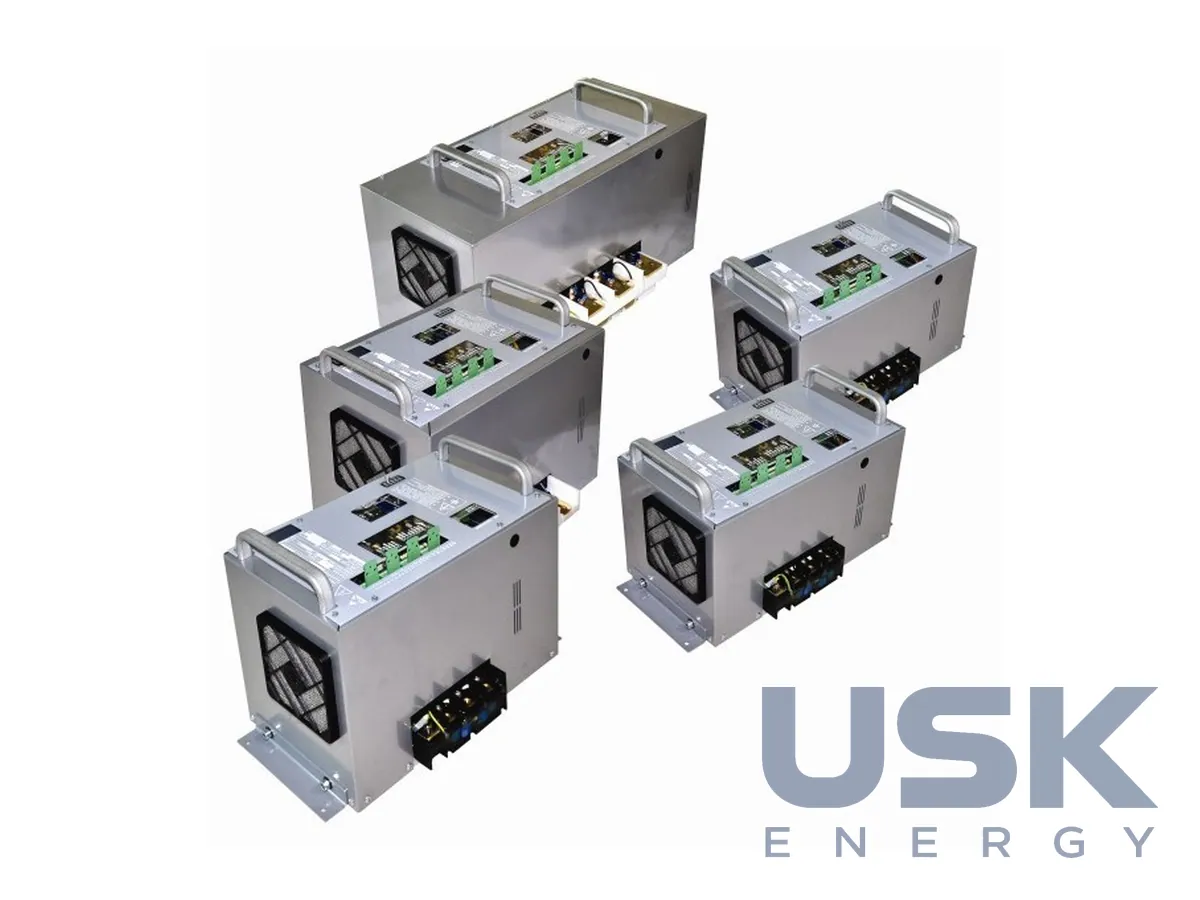
TECNA 1519RW medium frequency inverter for spot, projection and micro-welding
TECNA 1519RW moves a resistance welding machine onto medium frequency, so the spot forms faster and the heat-affected zone is smaller. It belongs to the 1518RW-1524RW series and covers spot, projection and seam welding and micro-welding.
- Brand
- TECNA
- Country of manufacture
- Italy
- Model
- 1519RW
- Series
- 1518RW-1524RW
Price, availability and lead time on request. We help with analogue selection, customs clearance and delivery.
Description
Across the 1518RW-1524RW series, TECNA describes every inverter in the same way, so the page gives no figures that separate the 1519RW from its neighbours. The feature set is identical, and power and supply voltage for this model are confirmed with the manufacturer by designation. What follows describes what the inverter does in the machine and where it pays off.
For a process engineer, the main difference between a medium frequency inverter and a conventional AC machine lies in how heat is produced. Medium frequency heats the contact zone more efficiently, so the same result comes in less time and less heat spreads around the nugget. The heat-affected zone is narrower, and the base metal keeps its properties. TECNA lists micro-welding, spot and projection welding, seam and pulsed seam welding, and short-time processes as applications.
The second practical difference concerns the transformer. Inverters use compact welding transformers, which the manufacturer puts at almost 50% smaller than AC transformers. This simplifies the design of tongs and machines where the unit sits close to the electrodes. An AC machine would need larger installed power and a larger mains current for the same result.
The inverter operates at 1000 Hz or 4000 Hz with IGBT switches. Current is regulated in a closed loop with double feedback on the primary and secondary circuits, in steps of milliseconds, so mains fluctuations and changes in the material are compensated continuously. Six modes are available: constant current, constant power, constant voltage, FIX, constant energy and DYNAMIC, and 15 programmes can be recalled.
Programming is done from the TE700 control unit or standalone over the communication bus, and an Ethernet RJ45 10/100 Mbit/s port gives access to the TecnaNet software. Field bus links include Profibus, CANopen, DeviceNet, EtherCAT, Profinet and Ethernet IP. Firmware is updated in software, the stepper function compensates electrode wear, and up to 4 position sensors can be connected.
Technical specifications
| Brand | TECNA |
|---|---|
| Country of manufacture | Italy |
| Model | 1519RW |
| Series | 1518RW-1524RW |
| Type | medium frequency inverter for resistance welding |
| Technology | closed loop regulation, medium frequency IGBT |
| Inverter operating frequency | 1000 Hz or 4000 Hz, selectable |
| Feedback | double, primary and secondary circuit |
| Current regulation | in millisecond steps |
| Work modes | 6: constant current, constant power, constant voltage, FIX, constant energy, DYNAMIC |
| Welding programmes | 15 available for recall |
| Mains frequency | 50/60 Hz, automatic adjustment |
| Programming | TE700 control unit or standalone over the communication bus |
| Ethernet | RJ45 10/100 Mbit/s, TecnaNet software |
| Field buses | Profibus, CANopen, DeviceNet, EtherCAT, Profinet, Ethernet IP |
| Position sensors | up to 4 |
| Stepper function | compensation of electrode wear |
| Firmware | upgrade via software |
| Welding transformers | about 50% smaller than AC transformers |
| Applications | projection, seam and pulsed seam, micro-welding, spot, short weld times |
Request a price and lead time
TECNA 1519RW medium frequency inverter for spot, projection and micro-welding. We reply within one business day.
Or email sales@usk.ua or call 044 339-50-20.
Questions and answers
How does the 1519RW compare with an AC machine on thin metal?
Medium frequency transfers heat more efficiently, so the spot forms in a shorter time and the heat-affected zone around the nugget is smaller.
Which transformer does the 1519RW need?
A welding transformer designed for medium frequency. TECNA states it is almost 50% smaller than an AC transformer.
How many position sensors can be connected to the 1519RW?
Up to 4 position sensors connect to the inverter, and the stepper function compensates electrode wear.
Similar equipment from other manufacturers