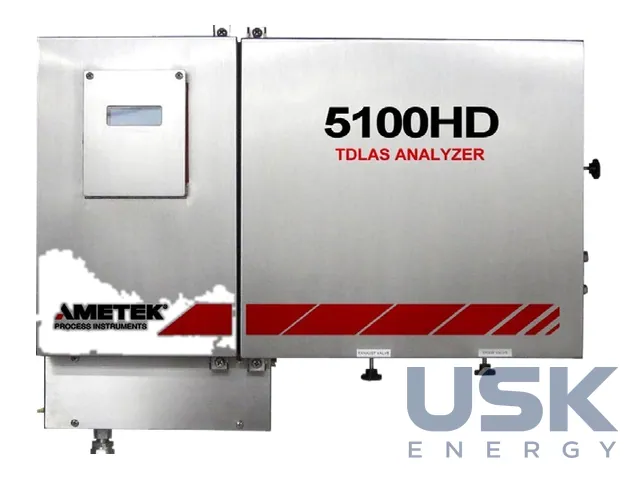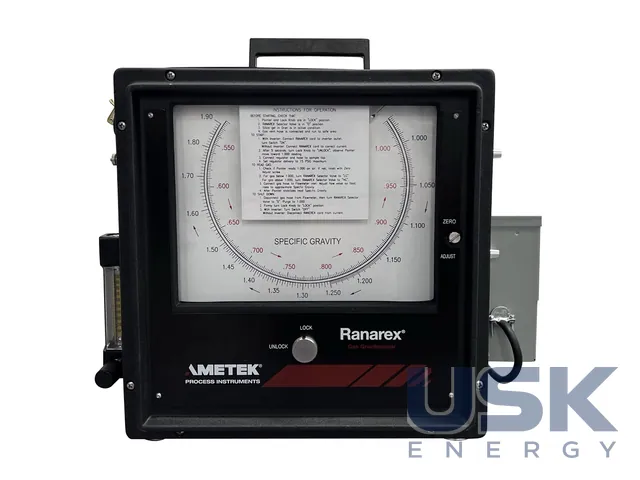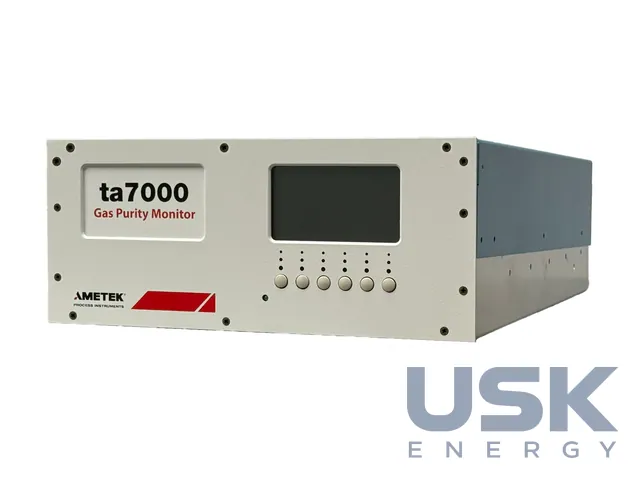
UV-VIS Process Gas Analysers for Sulphur Recovery, Natural Gas and Emissions: 888, 900, 993X, IPS-4
Ultraviolet and visible photometers, in several cases combined with infrared, thermal conductivity and oxygen measurement, for sulphur recovery tail gas, impurities in natural gas and continuous emissions monitoring. Typical components are H2S, SO2, COS and CS2.
- Measuring method
- UV-VIS photometry with IR support
- IPS-4 platforms
- UV-VIS, NDIR, IR/UV
- Components (900)
- H2S, SO2, COS, CS2, up to four at once
- 993X channels
- Up to five UV, two IR, H2 by thermal conductivity, O2
Price, availability and lead time on request. We help with analogue selection, customs clearance and delivery.
Description
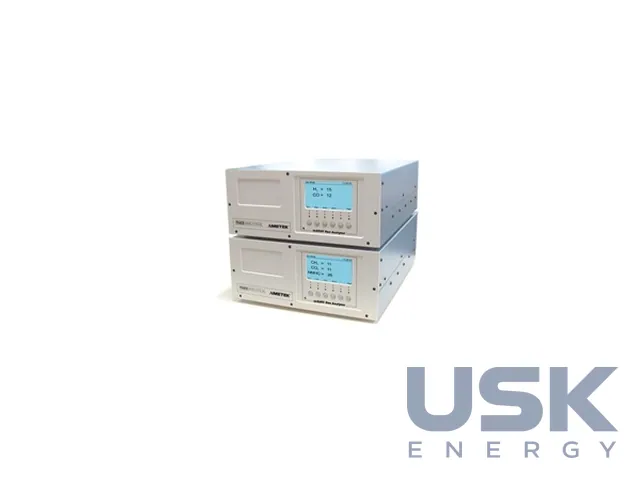
Sulphur recovery units are the natural home of UV photometry, because water vapour and carbon dioxide in the tail gas do not interfere with ultraviolet absorption. The 888 / 888L tail gas analyser uses UV spectroscopy to set air demand on complex SRU trains, while the extractive 900 air demand analyser reads H2S, SO2, COS and CS2 simultaneously. Sulphur pit storage has its own instrument, the 930.
Multi-component duties are where the platform shows its range. IPS-4 accepts any mix of NDIR, IR/UV or UV-VIS measurement in a single integrated photometric spectrometer. The 993X optical bench goes further, with as many as five ultraviolet components, two in the infrared, hydrogen on a thermal conductivity detector and oxygen, so a single analyser can replace a rack of separate ones.
Natural gas quality is covered by the 9933, which reads hydrogen sulphide, carbonyl sulphide and methyl mercaptan, with hydrogen and CO2 as options. The 933 and 9933RM pair a UV photometer with frontal elution chromatography to give an interference-free figure for H2S and other sulphur species. Dedicated hydrogen sulphide units are the 931 single-gas, 932 multi-gas and 934 sensor-specific models.
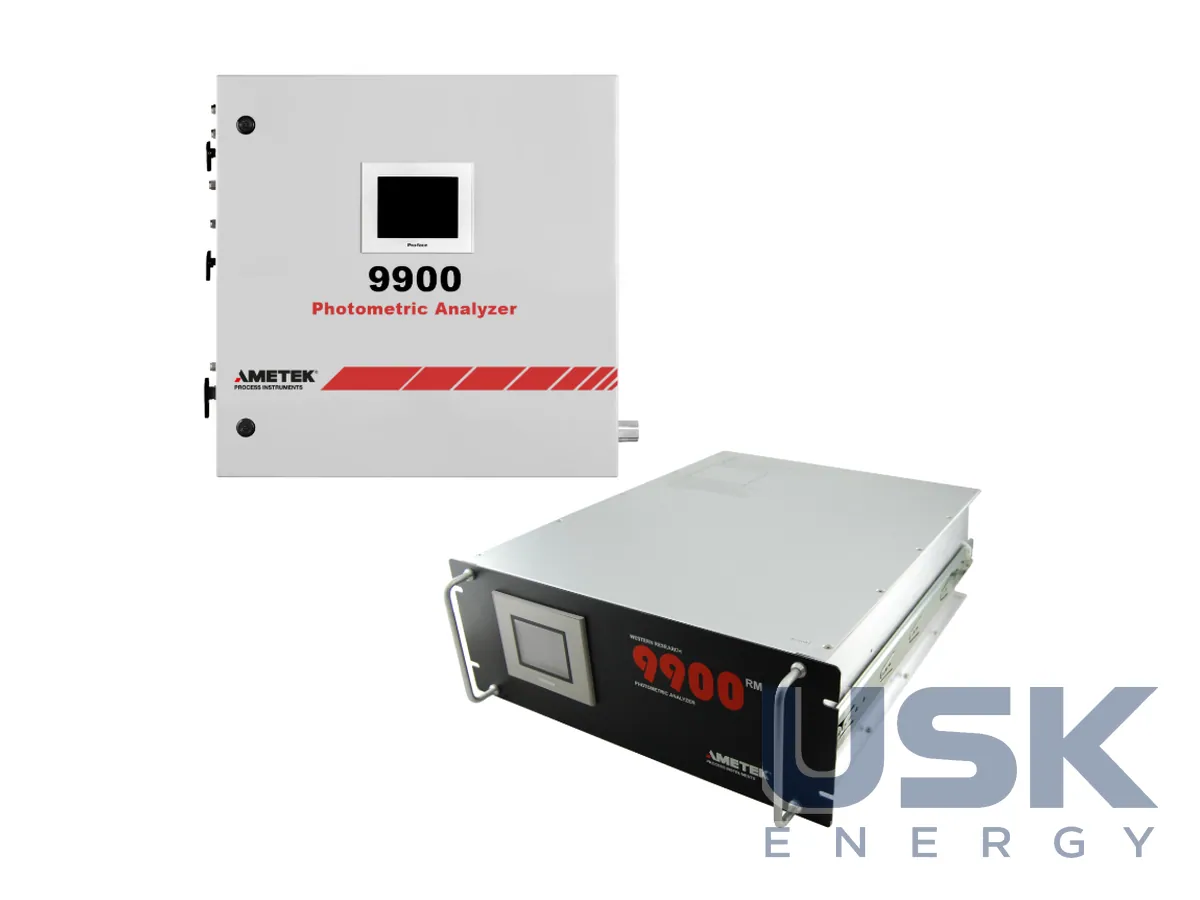
For stack and process monitoring at hot, wet conditions the range offers the 909 and 910 mass flow CEMs, the 919 and 920 hot/wet analysers, the 9900 gas analyser and the 914 continuous emission monitoring system. In short, UV-VIS gives quick, straightforward concentration readings, and IR support extends it to mixtures that UV alone cannot resolve.
Technical specifications
| Measuring method | UV-VIS photometry with IR support |
|---|---|
| IPS-4 platforms | UV-VIS, NDIR, IR/UV |
| Components (900) | H2S, SO2, COS, CS2, up to four at once |
| 993X channels | Up to five UV, two IR, H2 by thermal conductivity, O2 |
| Natural gas (9933) | H2S, COS, methyl mercaptan; optional H2, CO2 |
| 933 / 9933RM method | UV photometry with frontal elution chromatography |
| Sulphur recovery tail gas | 888 / 888L, 900 |
| Sulphur pits | 930 |
| Emissions monitoring | 909, 910, 919, 920, 9900, 914 |
| Interferents | UV reading unaffected by water and CO2 |
Request a price and lead time
UV-VIS Process Gas Analysers for Sulphur Recovery, Natural Gas and Emissions: 888, 900, 993X, IPS-4. We reply within one business day.
Or email sales@usk.ua or call 044 339-50-20.
Questions and answers
How many components can one instrument handle?
The 900 reads up to four (H2S, SO2, COS, CS2); the 993X measures up to five in the UV, two in the IR, plus hydrogen and oxygen.
Does moisture in the tail gas upset the reading?
No, the UV measurement is unaffected by water and carbon dioxide, which is why it is used on sulphur recovery units.
Which model fits H2S in natural gas?
The 933 or 9933RM with frontal elution chromatography; choose the 9933 if COS and methyl mercaptan are also required.
Similar equipment from other manufacturers