3010PAC / 3010TAC Oxygen Analysers with Intrinsically Safe Probe for Zone 0
A split oxygen measuring system in which the control unit stays in a safe room and an intrinsically safe probe goes into a Zone 0 area. The 3010PAC reads percent oxygen; the 3010TAC handles ppm-level traces.
- Versions
- 3010PAC (percent O2), 3010TAC (trace O2)
- Sensor
- micro-fuel cell
- Range (catalogue)
- 0–10 ppm to 0–9,999 ppm; calibration 0–25%
- TAC readout
- 0–10,000 ppm, then 1–25%
Price, availability and lead time on request. We help with analogue selection, customs clearance and delivery.
Description
Air separation and liquefaction, pure hydrocarbon streams, semiconductor production, inert blanketing of feedstocks and flammable liquids, monomer monitoring (vinyl chloride, propylene, butadiene, isoprene, ethylene), chemical reactors and petrochemical control are the usual homes for these units, along with gas purity certification.
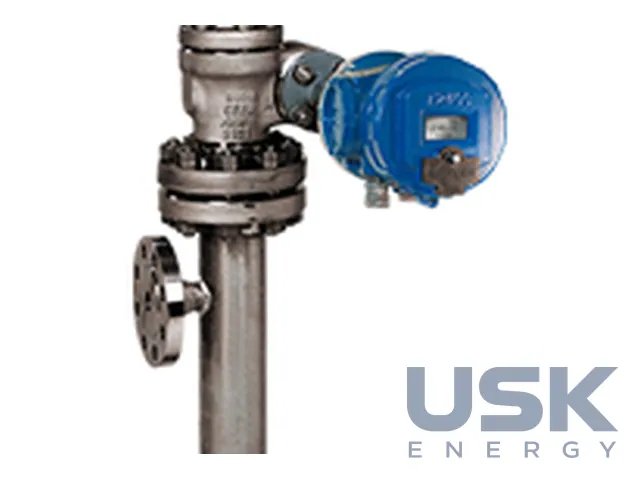
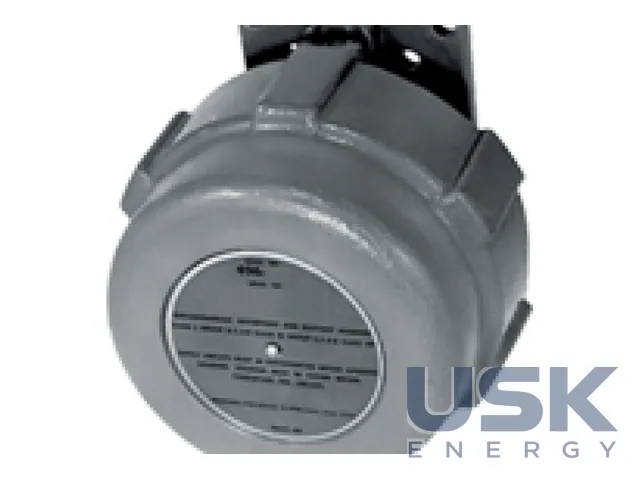
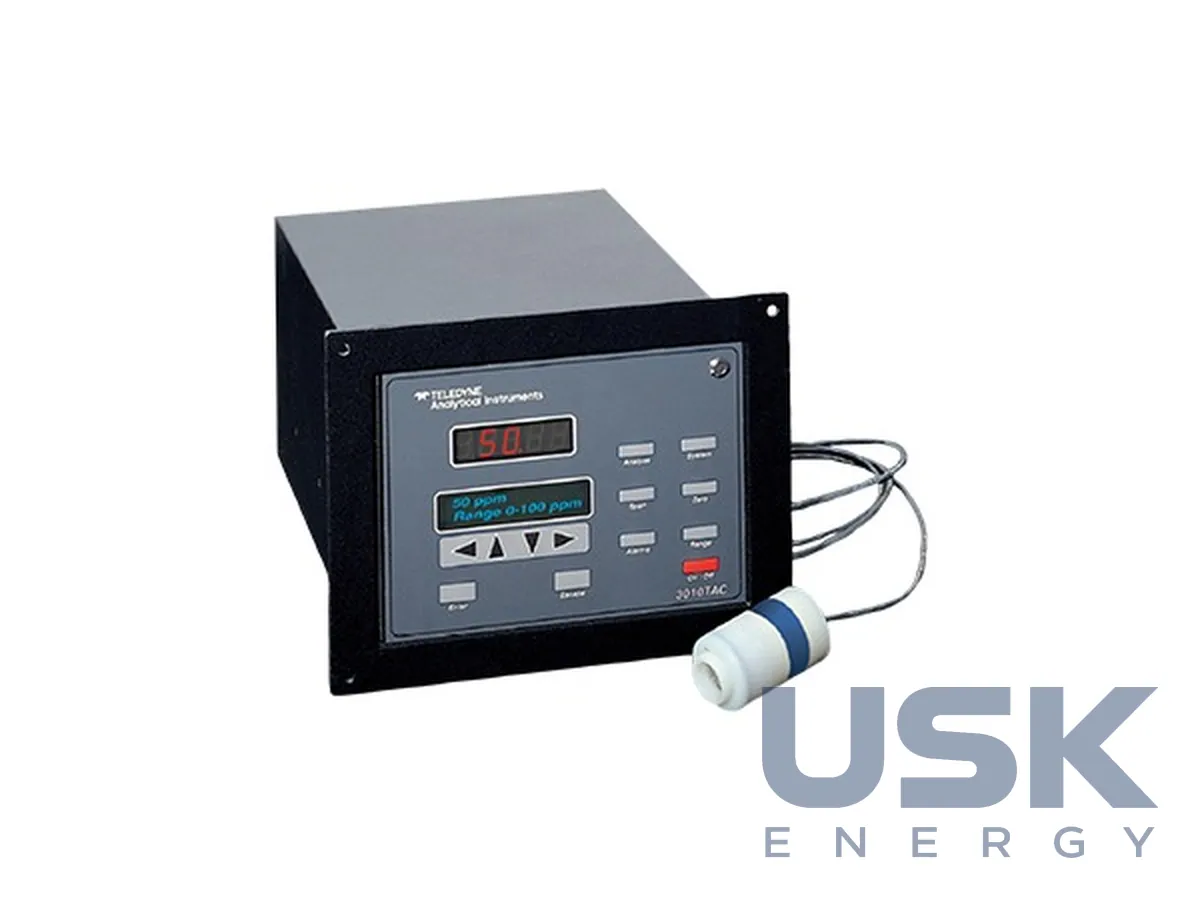
What sets the pair apart is the layout. The control unit is fitted flush in a panel or in a 19-inch rack, indoors and away from any explosive atmosphere, while the TOP2/TOP4 probe carrying the micro-fuel cell is taken out to the sampling point. The probe is marked Ex ia IIC T6 Ga for ambients between −20 °C and +40 °C under certificate BASO1ATEX1421X, and its cable run must not exceed 2 metres. Probe approval refers to EN 60079-0 and EN 60079-11, 2012 editions.
On the trace version the display reads continuously from 0 to 10,000 ppm and then changes over to a percent scale of 1–25%. Catalogue ranges run from 0–10 ppm at the lowest to 0–9,999 ppm at the highest, with a 0–25% calibration scale. The percent version measures oxygen in air and other atmospheres.
The control unit gives 0–1 V dc for concentration and for range identification, an isolated 4–20 mA loop and a second 4–20 mA range ID signal, plus an RS-232 port. A five-digit LED and a VFD text line make up the front panel, and conversion is handled by an 18-bit ADC. Alarm logic includes a pair of concentration set points and a system fault alarm.
Universal mains input covers 85–230 V ac at 50–60 Hz, and the ambient range is 0–50 °C. The control unit is declared to EN55011 Class A Group 1, EN50082-2 and EN61010-1. Wall-mounted equivalents are the 3010PBC and 3010TBC.
Technical specifications
| Versions | 3010PAC (percent O2), 3010TAC (trace O2) |
|---|---|
| Sensor | micro-fuel cell |
| Range (catalogue) | 0–10 ppm to 0–9,999 ppm; calibration 0–25% |
| TAC readout | 0–10,000 ppm, then 1–25% |
| Probe marking | Ex ia IIC T6 Ga (−20 °C < Ta < +40 °C) |
| Probe certificate | BASO1ATEX1421X |
| Probe cable | 2 m maximum |
| Analogue outputs | 0–1 V dc; isolated 4–20 mA; range ID |
| Interface | RS-232 |
| Alarms | 2 concentration, 1 system |
| Power supply | 85–230 V ac, 50–60 Hz |
| Operating temperature | 0–50 °C |
| Control unit mounting | flush panel and/or 19-inch rack |
Request a price and lead time
3010PAC / 3010TAC Oxygen Analysers with Intrinsically Safe Probe for Zone 0. We reply within one business day.
Or email sales@usk.ua or call 044 339-50-20.
Questions and answers
Can the 3010TAC be used in a hazardous area?
Only the probe, marked Ex ia IIC T6 Ga, goes into Zone 0. The control unit must sit indoors in a non-hazardous room.
How do the PAC and TAC versions differ?
The PAC measures oxygen in percent, while the TAC measures ppm traces and changes over automatically to a 1–25% scale.
Which standards apply to the probe?
The TOP2/TOP4 probes are certified to EN 60079-0 and EN 60079-11 (2012 editions) under BASO1ATEX1421X.
Similar equipment from other manufacturers