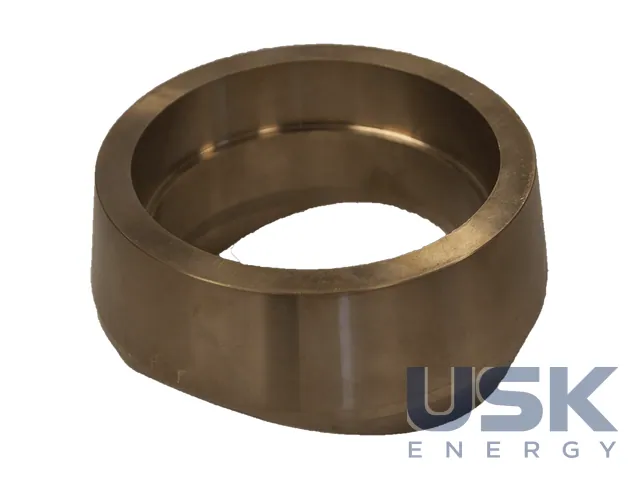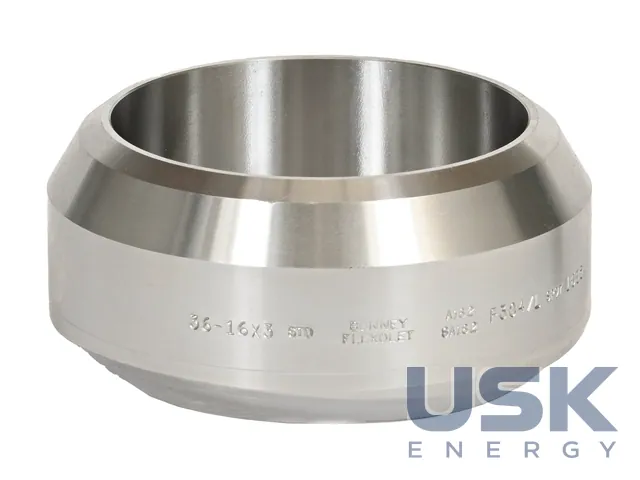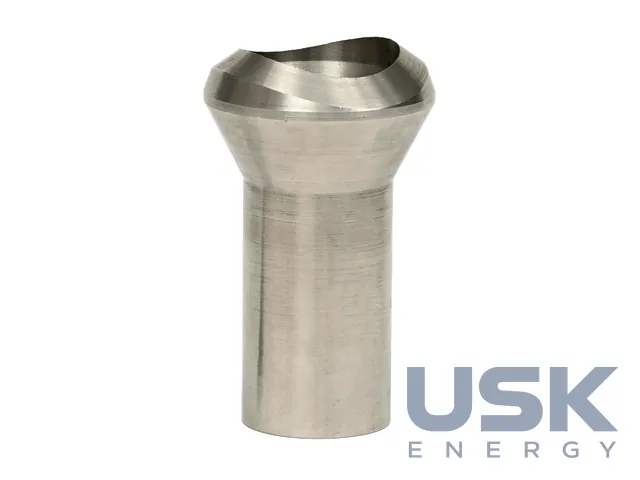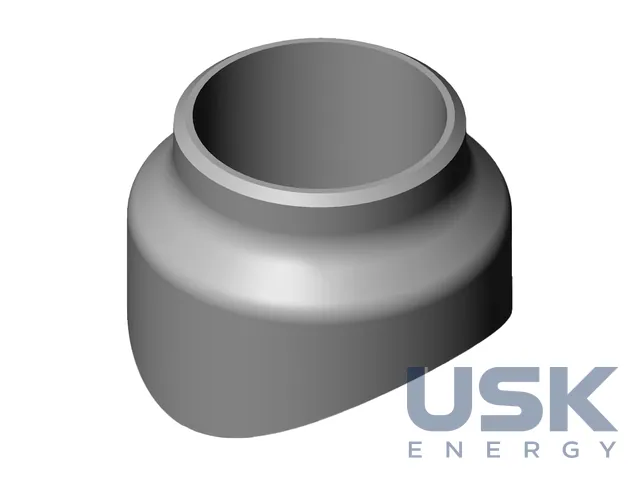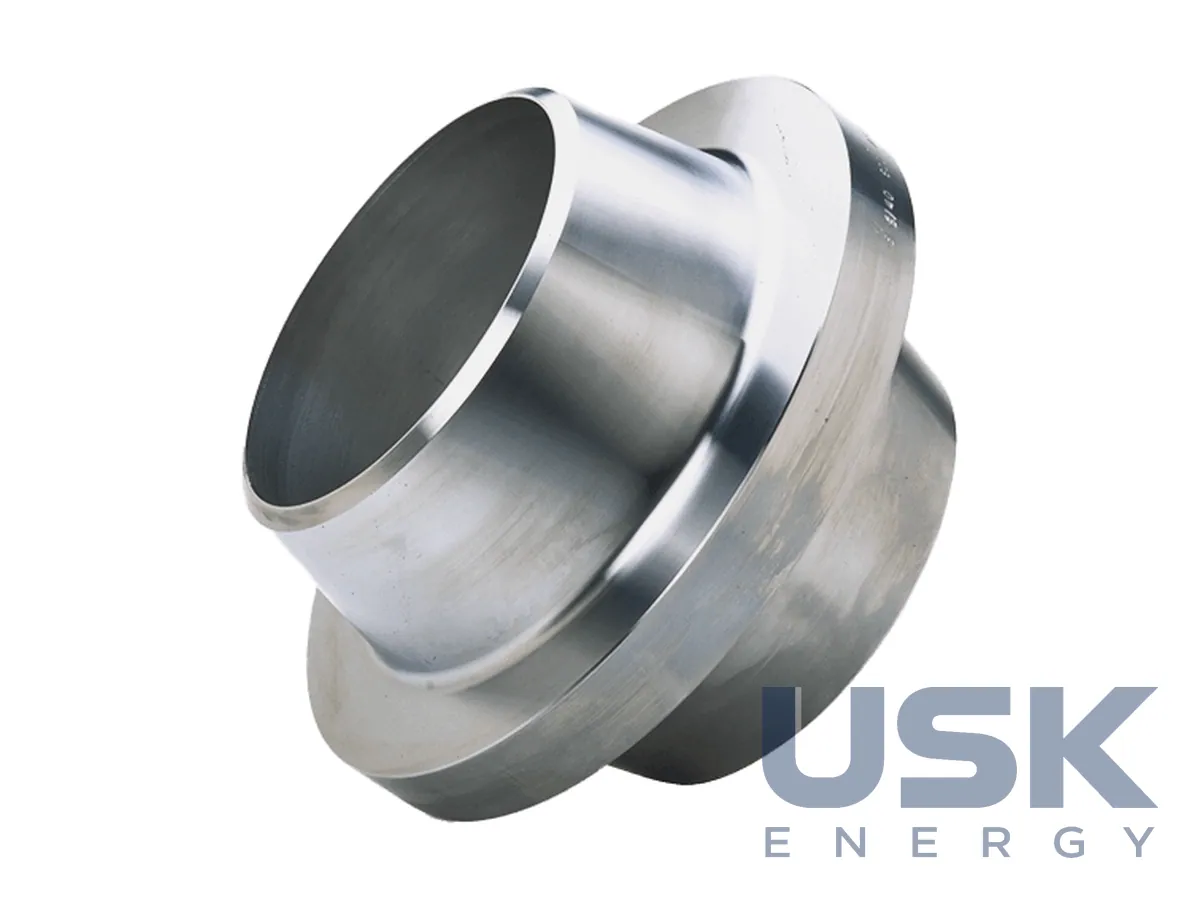
Weld neck anchor flange for concrete-encased pipeline thrust restraint
Pressure and temperature swings on long lines generate end loads large enough to harm pumps and valves. An anchor flange, welded into the pipe and cast into concrete, holds the line at a set point and hands that load to an external structure.
- Type
- weld neck
- Installation
- welded into the line, concrete encased
- Function
- fixes the pipe, transfers end thrust to a structure
- Uses
- pump stations, cross-country pipelines, subsea lines and risers
Price, availability and lead time on request. We help with analogue selection, customs clearance and delivery.
Description
Consider the manufacturer's own illustration: a 24" O.D. line with 0.594" wall, running at 1100 psi and seeing a 90° rise in metal temperature, builds up roughly 1,000,000 lbs of total thrust. Left unchecked, a force of that order can damage pumps, valves and other close-tolerance plant. A weld neck anchor flange is one of the standard ways of dealing with it.
The flange is butt welded into the line through its neck and then surrounded by a concrete anchor block. That fixes the pipe at a predetermined position, and stresses that accumulate along the run are carried by the block rather than by the equipment downstream. Pipeline pump stations are the classic location, since the anchor separates the station pipework from movement in the cross-country section.
Offshore, the same principle holds subsea lines and risers fast to platform steelwork.
Each flange is engineered for its duty. An enquiry should give the design code, material, design pressure, design temperature, installation temperature, allowable bearing stress on the concrete and corrosion allowance. Marking follows MSS SP-25. The manufacturer's data table also shows 1/8 NPS to 4 NPS and classes 9000, 6000 and 3000, which appear to be carried over from forged fittings, so sizes are best confirmed for each project.
Technical specifications
| Type | weld neck |
|---|---|
| Installation | welded into the line, concrete encased |
| Function | fixes the pipe, transfers end thrust to a structure |
| Uses | pump stations, cross-country pipelines, subsea lines and risers |
| Design data needed | code, material, pressure, temperature, installation temperature, concrete stress, corrosion allowance |
| Marking | MSS SP-25 |
Request a price and lead time
Weld neck anchor flange for concrete-encased pipeline thrust restraint. We reply within one business day.
Or email sales@usk.ua or call 044 339-50-20.
Questions and answers
What does an anchor flange actually do?
Encased in concrete, it fixes the pipe at a chosen point and passes thrust from pressure and temperature change to the anchor block.
What information is needed to design one?
Design code, material, design pressure and temperature, installation temperature, allowable concrete bearing stress and corrosion allowance.
Are they used offshore?
Yes, they hold subsea pipelines and risers fast against platform steelwork.
Similar equipment from other manufacturers